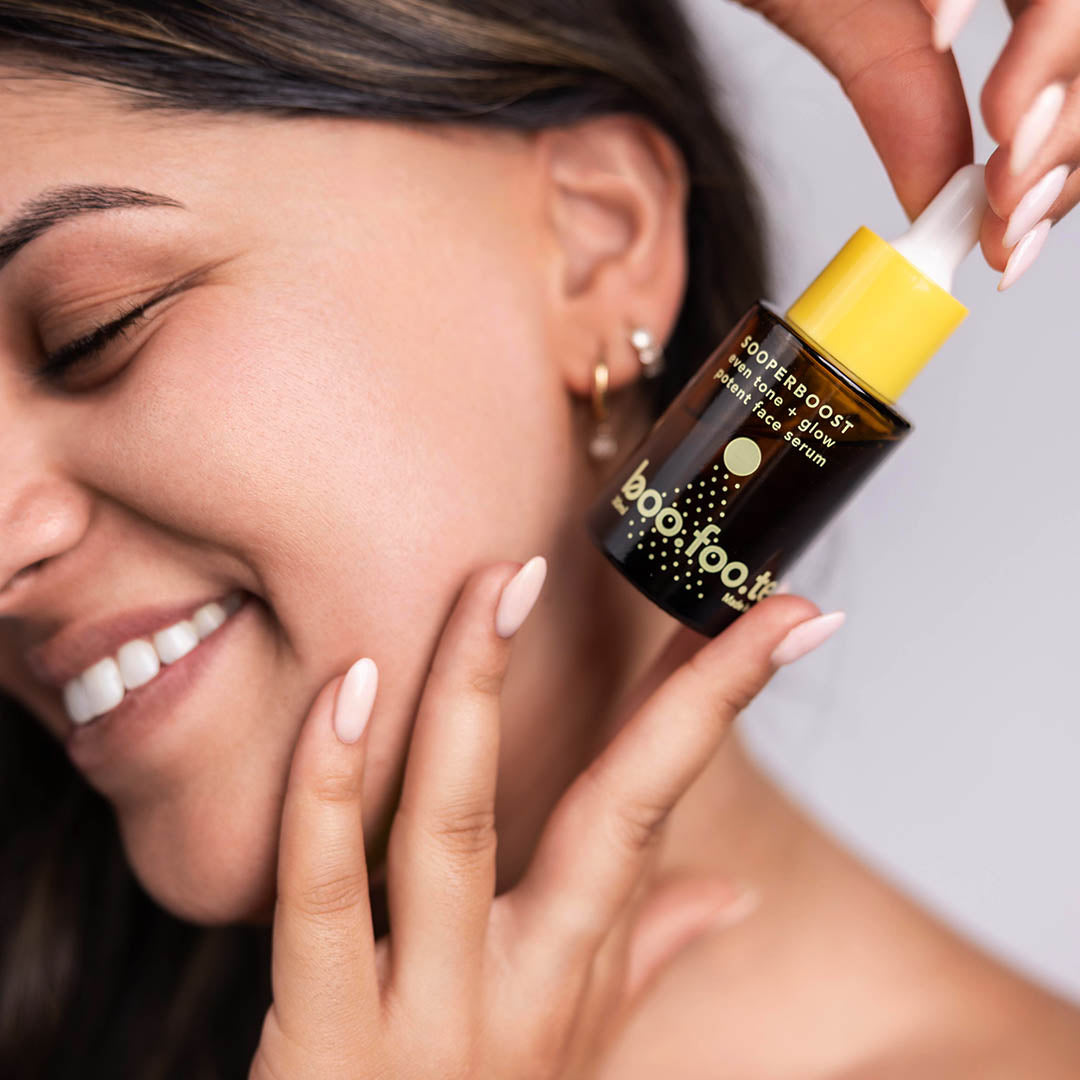
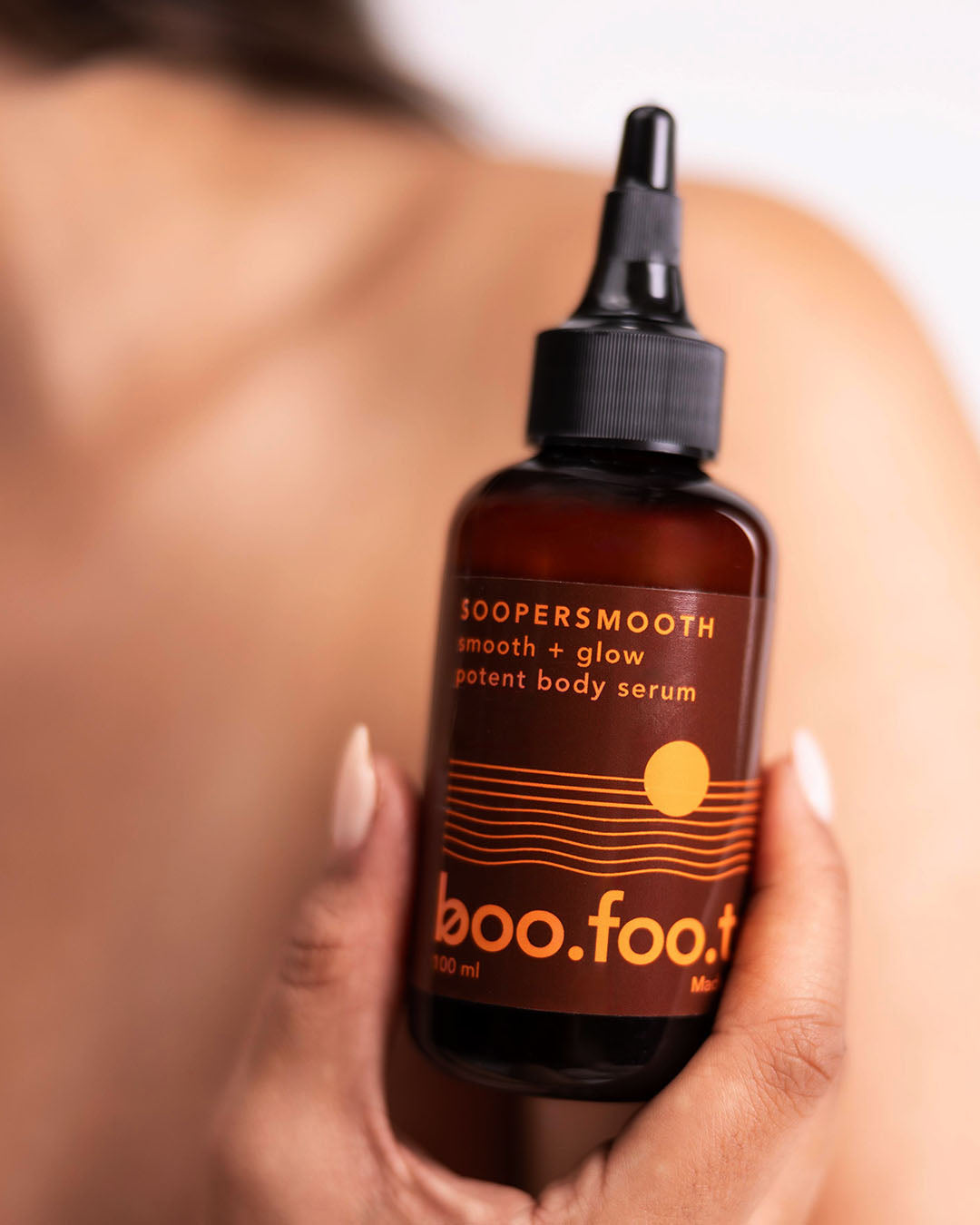
Dark spots don't show up overnight, and they don't disappear overnight either. But the right serum — built on the right ingredients — can make a measurable difference. The problem is that most pigmentation serums are marketed on vibes rather than science. So here's a different kind of guide: one that starts with the formulation, explains exactly what each ingredient does, and lets you make the call.
Whether you're dealing with post-acne marks, sun-induced dark spots, hormonal melasma, or just a generally uneven skin tone, this breakdown covers every meaningful ingredient category and the evidence behind it.
Table of Contents
|
What is pigmentation? |
|
What Makes the Best Serum for Pigmentation Actually Work? |
|
Best ingredients for pigmentation and dark spots |
|
Why multi-active serums work better than one-ingredient formulas |
|
How to choose a pigmentation serum for Indian skin |
|
Do’s and don’ts when using a pigmentation serum |
|
Best serum for pigmentation on the face |
|
Best serum for body pigmentation |
|
Key Takeaways |
|
FAQs |
Quick Answer: What Is the Best Serum for Pigmentation?
The best serum for pigmentation is usually not a one-ingredient formula. Look for a multi-active serum with brightening ingredients like vitamin C and niacinamide, exfoliating ingredients like glycolic acid or lactic acid, antioxidant support like ferulic acid, and hydration support like hyaluronic acid and glycerin.
Because pigmentation is rarely just one thing.
It can be dark spots.
Post-acne marks.
Uneven skin tone.
Patchy skin.
Body pigmentation.
Dullness that makes everything look more uneven.
So the best pigmentation serum needs to do more than “brighten.” It needs to work on multiple layers of the problem: excess pigment, dead skin buildup, uneven texture, dullness, and a weakened skin barrier.
That’s where ingredients matter.

What Is Pigmentation? Dark Spots, Uneven Skin Tone and Post-Acne Marks Explained
Pigmentation happens when certain areas of the skin produce more melanin than others. This can show up as dark spots, acne marks, patchy skin, uneven skin tone, melasma-like patches, dark elbows and knees, underarm pigmentation, or post-inflammatory hyperpigmentation after bumps, breakouts or irritation.
On Indian skin, pigmentation can be especially stubborn because the skin naturally produces more melanin. That doesn’t mean pigmentation cannot improve. It simply means the formula needs to be thoughtful.
There are three main types of pigmentation worth knowing:
Post-inflammatory hyperpigmentation (PIH)
It is the dark mark left after a breakout, a wound, or any skin irritation. It's extremely common in deeper skin tones because melanocytes are more reactive.
Solar lentigines (sun spots or age spots)
These result from cumulative UV exposure triggering localised melanin overproduction. They sit flat on the skin and tend to deepen over time without protection.
Melasma
It is hormonally influenced, often triggered by pregnancy, contraceptive pills, or sun exposure, and is notoriously stubborn. It tends to appear symmetrically across the cheeks, upper lip, and forehead.
Understanding which type you're dealing with helps you set realistic timelines. PIH often responds faster to topical actives. Melasma requires longer, more consistent treatment and rigorous SPF discipline.
The goal is not to bleach the skin.
The goal is to help skin look clearer, more even, brighter and healthier.
That’s why the best serum for pigmentation should not just focus on “fairness” or instant brightness. It should focus on active ingredients that support visible tone correction over time.

What Makes the Best Serum for Pigmentation Actually Work?
The best serum for pigmentation isn't the one with the highest concentration of a single active. It's the one with multiple clinically supported ingredients that target different stages of the melanin production pathway simultaneously.
A good pigmentation serum should ideally do four things:
1. Help brighten the look of dark spots
This is where ingredients like vitamin C, niacinamide, bakuchiol, azelaic acid, kojic acid, tranexamic acid, alpha arbutin and licorice extract are often discussed.
They help target the appearance of uneven tone and visible pigmentation.
2. Support skin renewal
Pigmentation often looks worse when dead skin cells sit on the surface. Gentle exfoliating ingredients like glycolic acid and lactic acid help smooth the surface of the skin, which can make dullness, roughness and uneven tone look better over time.
This is especially important for body pigmentation, bumpy skin, rough texture and dark patches on areas like elbows, knees, arms, legs, bum and underarms.
3. Support the skin barrier
A damaged or irritated barrier can make pigmentation worse. If your serum is too harsh, your skin may feel inflamed, dry or reactive—and that can make marks look more stubborn.
This is where niacinamide, glycerin, hyaluronic acid and soothing ingredients help.
4. Keep the formula wearable
The best serum is the one you can actually use consistently. Texture matters. If a serum feels sticky, heavy or greasy, especially in Indian weather, you probably won’t use it every day.
For pigmentation, consistency is everything.
Best Ingredients for Pigmentation and Dark Spots
Here’s what to look for when choosing the best serum for pigmentation, dark spots and uneven skin tone.
| Ingredient | Best For | Why It Helps |
|---|---|---|
| Vitamin C | Dark spots, dullness, uneven tone | Helps brighten the look of skin and supports a more even glow |
| Niacinamide | Pigmentation, post-acne marks, barrier support | Helps improve uneven tone while supporting calmer, healthier-looking skin |
| Bakuchiol | Texture, tone, fine lines | A gentle retinol-like ingredient that supports smoother, more even-looking skin |
| Glycolic Acid | Body pigmentation, rough texture, bumpy skin | Exfoliates dead skin cells and helps skin look smoother and brighter |
| Lactic Acid | Dullness, roughness, uneven tone | A gentle exfoliating acid that also helps skin feel softer |
| Hyaluronic Acid | Dehydrated, dull-looking skin | Gives weightless hydration so skin looks fresher and plumper |
Vitamin C Serum for Pigmentation: Why It’s Still One of the Best Ingredients
Vitamin C is one of the most searched ingredients for pigmentation—and for good reason. A well-formulated vitamin C serum can help with:
- Dark spots
- Dull skin
- Uneven skin tone
- Post-acne marks
- Loss of glow
- Skin that looks tired or patchy
But not all vitamin C serums are the same.
The formula matters. The concentration matters. The stability matters. And most importantly, what vitamin C is paired with matters.
Vitamin C works beautifully when it is supported by ingredients like ferulic acid, niacinamide, hyaluronic acid and glycerin. This gives you more than brightness. It gives you antioxidant support, barrier support and hydration—all in one formula.
For Indian skin, that balance is important. You want visible brightening without making the skin feel stripped, sensitised or uncomfortable.
Niacinamide Serum for Dark Spots: Why It Belongs in a Pigmentation Formula
Niacinamide is one of the most useful ingredients in a pigmentation serum because it does more than one job.
It helps with the appearance of uneven tone, supports the skin barrier, helps calm the look of stressed skin, and works well alongside other actives.
That last point matters.
A lot of people use one strong active and then wonder why their skin feels irritated. The better approach is often a formula that combines brightening ingredients with barrier-supporting ingredients.
Niacinamide is especially helpful for people dealing with:
- Post-acne marks
- Uneven skin tone
- Dullness
- Pigmentation-prone skin
- Skin that looks patchy or tired
- Texture and tone concerns together
It is not the loudest ingredient in the room. But in a pigmentation serum, it is one of the most important.
Glycolic Acid and Lactic Acid for Body Pigmentation
When people think about pigmentation, they often think only about the face.
But body pigmentation is one of the most common skin concerns—especially on Indian skin.
- Dark knees.
- Dark elbows.
- Patchy underarms.
- Bumpy arms.
- Rough legs.
- Marks on the back.
- Pigmentation around the bum.
- Uneven-looking body skin.
This is where exfoliating acids can make a big difference.
Glycolic acid and lactic acid are alpha hydroxy acids. They help remove dead skin cells from the surface, smooth rough texture and improve the look of dull, uneven skin.
For body skin, this matters because body pigmentation is often not just pigment. It is also texture. The skin may look darker because it is rough, dry, bumpy or built up.
That’s why the best body serum for pigmentation should include exfoliating actives as well as brightening and hydrating ingredients.
A body serum with glycolic acid, lactic acid, vitamin C, niacinamide, hyaluronic acid and glycerin gives you a more complete approach: smooth, brighten, even tone and hydrate—without needing a complicated bodycare routine.
Bakuchiol: Nature's Retinol, Without the Drama
Bakuchiol is derived from the seeds of the Psoralea corylifolia plant and has been used in traditional medicine for centuries. In modern skincare, it's attracted serious clinical attention as a plant-based alternative to retinol — and the evidence is holding up.
A 12-week clinical trial comparing 0.5% bakuchiol with 0.5% retinol found similar improvements in skin texture, tone, and fine lines, but retinol users experienced significantly more irritation. Bakuchiol users tolerated it well throughout.
What makes it relevant to pigmentation? Bakuchiol accelerates cell turnover in a way that mirrors retinol's mechanism, helping to surface newer, less pigmented skin cells. It's also anti-inflammatory — which matters enormously for PIH, where inflammation itself is the trigger for further pigmentation. It works particularly well alongside AHAs and Vitamin C, amplifying their brightening effects without adding irritation.
Why Multi-Active Serums Work Better Than One-Ingredient Formulas
Pigmentation is not a one-step problem. So a one-ingredient serum may not always be enough. For example:
-
Vitamin C helps with brightness, but may not be enough for texture.
-
Glycolic acid helps exfoliate, but may not be enough for barrier support.
-
Niacinamide supports tone and barrier, but may work better when paired with other brightening ingredients.
-
Hyaluronic acid hydrates, but does not directly target pigmentation.
The best serum for pigmentation brings the right ingredients together. Think of it as a formula that works in layers:
Brightening actives help improve the look of dark spots and uneven tone.
Exfoliating actives help smooth the surface so skin looks clearer.
Antioxidants help support overall skin quality.
Hydrators help keep the skin comfortable and consistent.
Barrier-supporting ingredients help reduce the chance of irritation.
That is what makes a pigmentation serum feel more complete.
Not more products.
Better formulation.
How To Choose a Pigmentation Serum for Indian Skin
When choosing the best serum for pigmentation for Indian skin, don’t just look for the word “brightening” on the bottle.
Look at the ingredient list.
Choose a serum with multiple active ingredients
Pigmentation needs more than one route. Look for a mix of brightening, exfoliating, antioxidant and hydrating ingredients.
Choose a texture you can use daily
A serum that feels sticky or heavy is harder to use consistently. Lightweight, fast-absorbing formulas are especially useful in hot or humid weather.
Choose barrier support
The best pigmentation serum should not leave your skin feeling angry. Ingredients like niacinamide, glycerin and hyaluronic acid help keep skin comfortable.
Choose the right serum for the right area
Use a face serum for the face. Use a body serum for the body. Body formulas often contain exfoliating acids at levels designed for thicker body skin.
Be patient
Pigmentation does not fade overnight. Most people need consistent use over several weeks to start seeing visible improvement.