


For firmer, smoother + plumper-looking skin.
Peptides are short chains of amino acids that can support the proteins and structures responsible for smoother, firmer-looking skin.
Boofootel uses Palmitoyl Tripeptide-38 — a signal peptide studied for its ability to support components of the skin’s extracellular matrix and improve the appearance of fine lines.

Benefits
- Helps smooth the look of fine lines + wrinkles
- Supports firmer-looking skin
- Helps improve visible skin texture
- Supports collagen-related skin structure
- Promotes a plumper, more resilient look
Get the benefits of Peptides
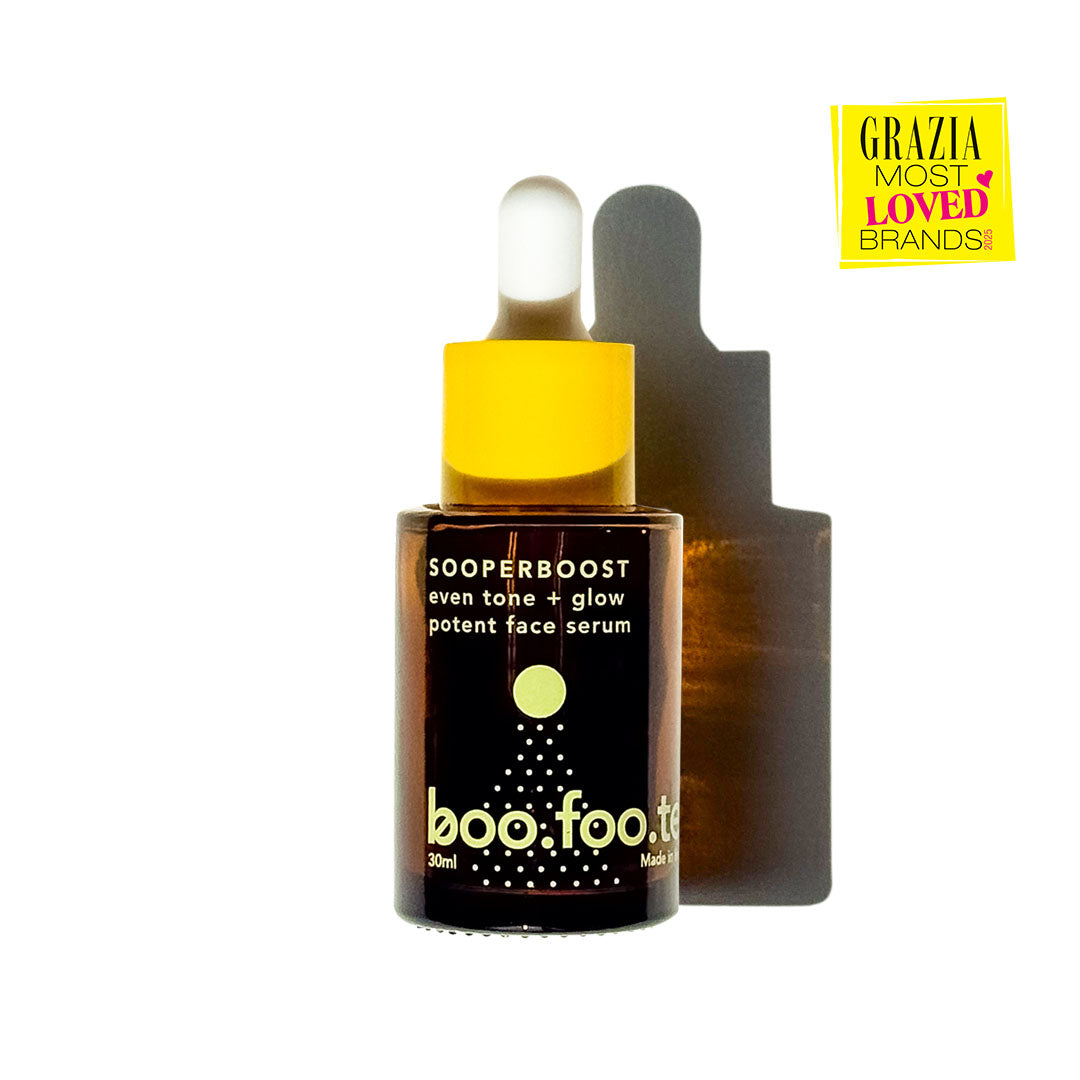
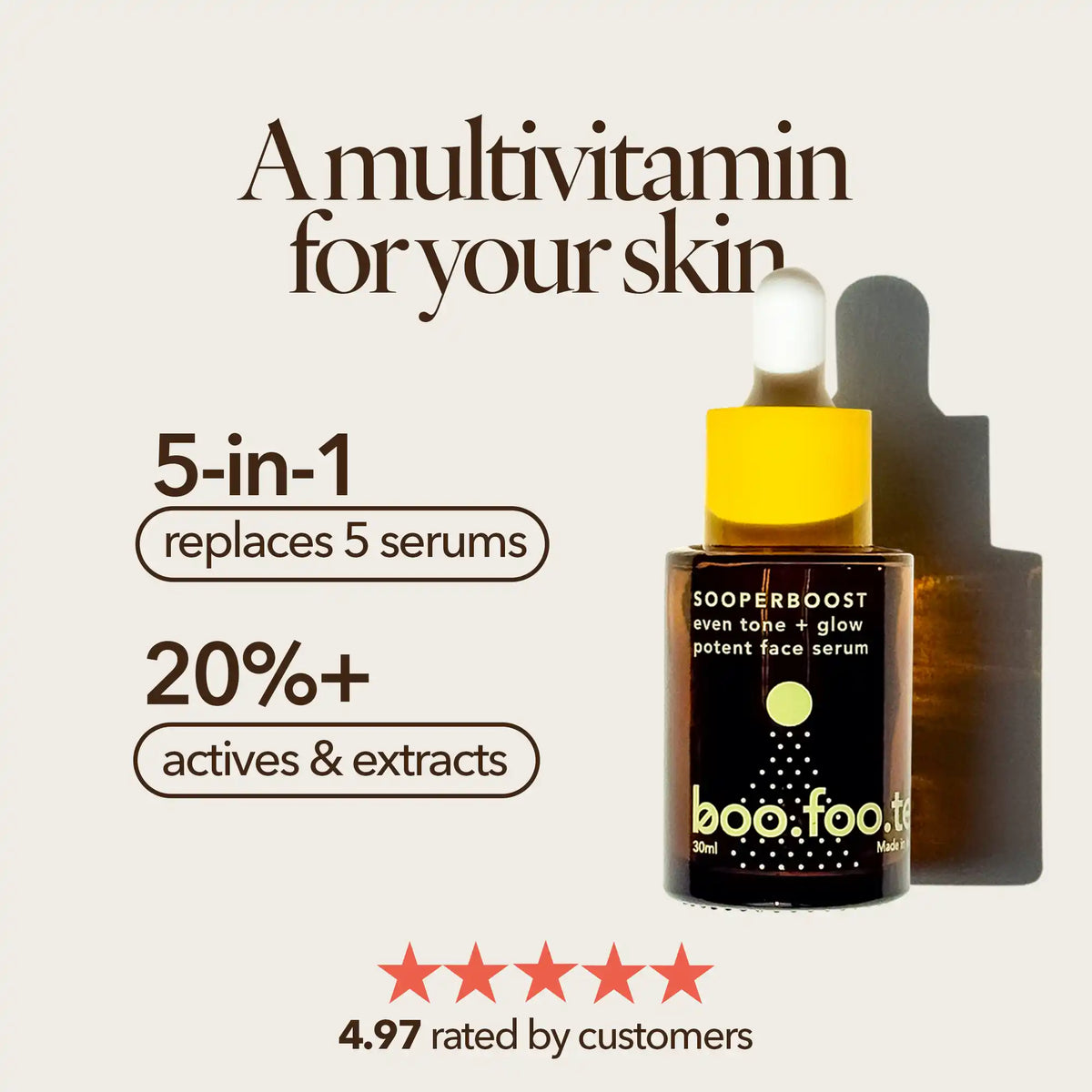
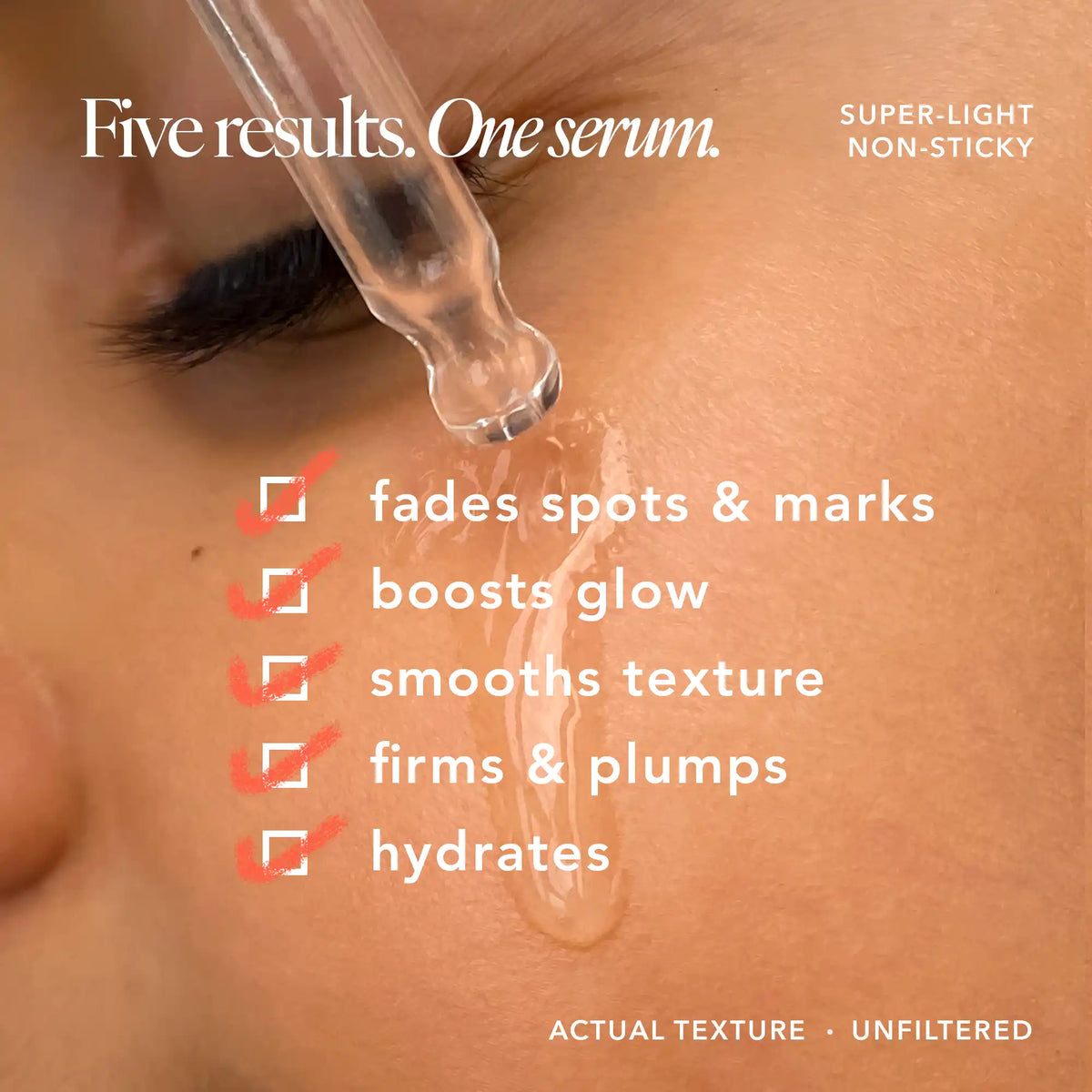
SOOPERBOOST Face Serum
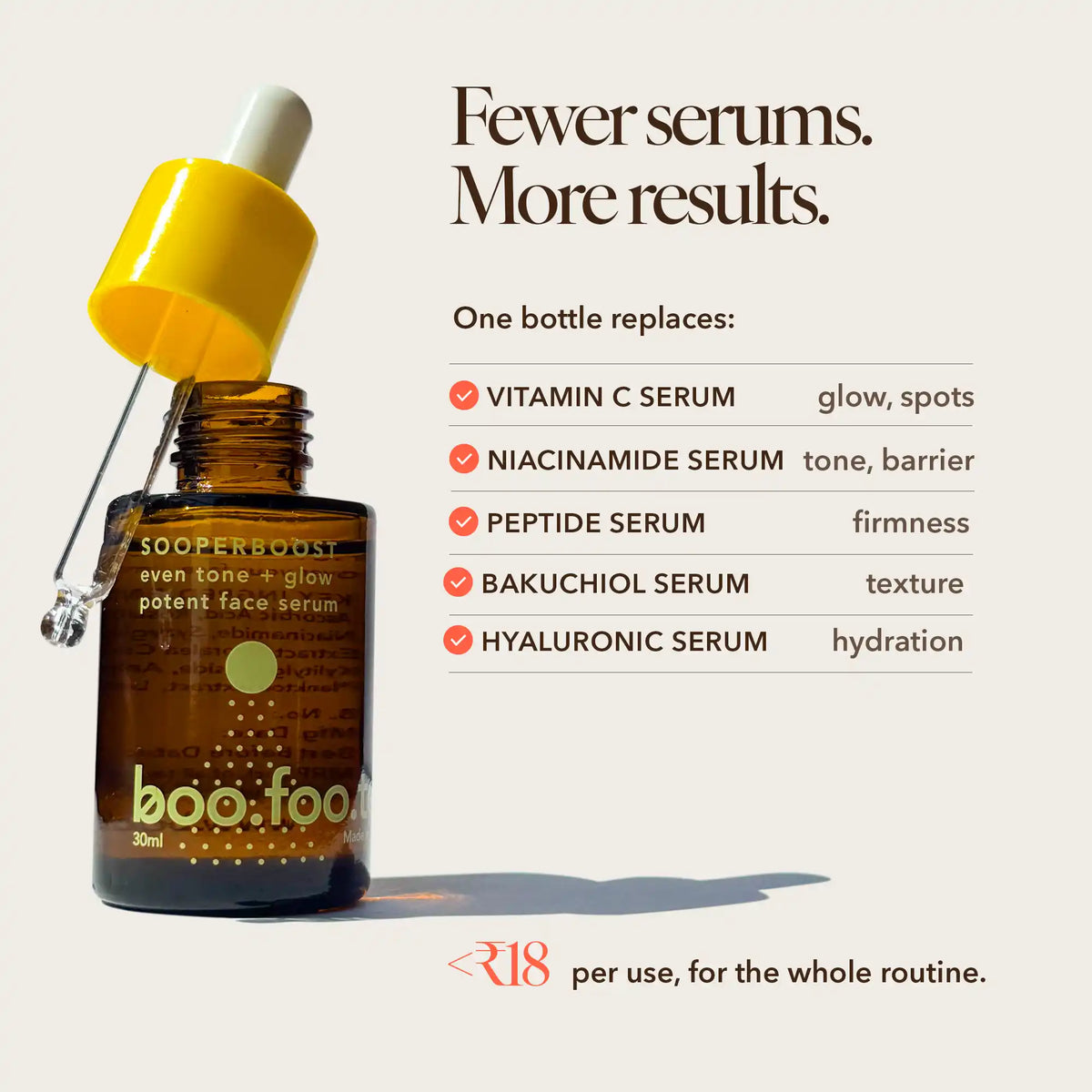
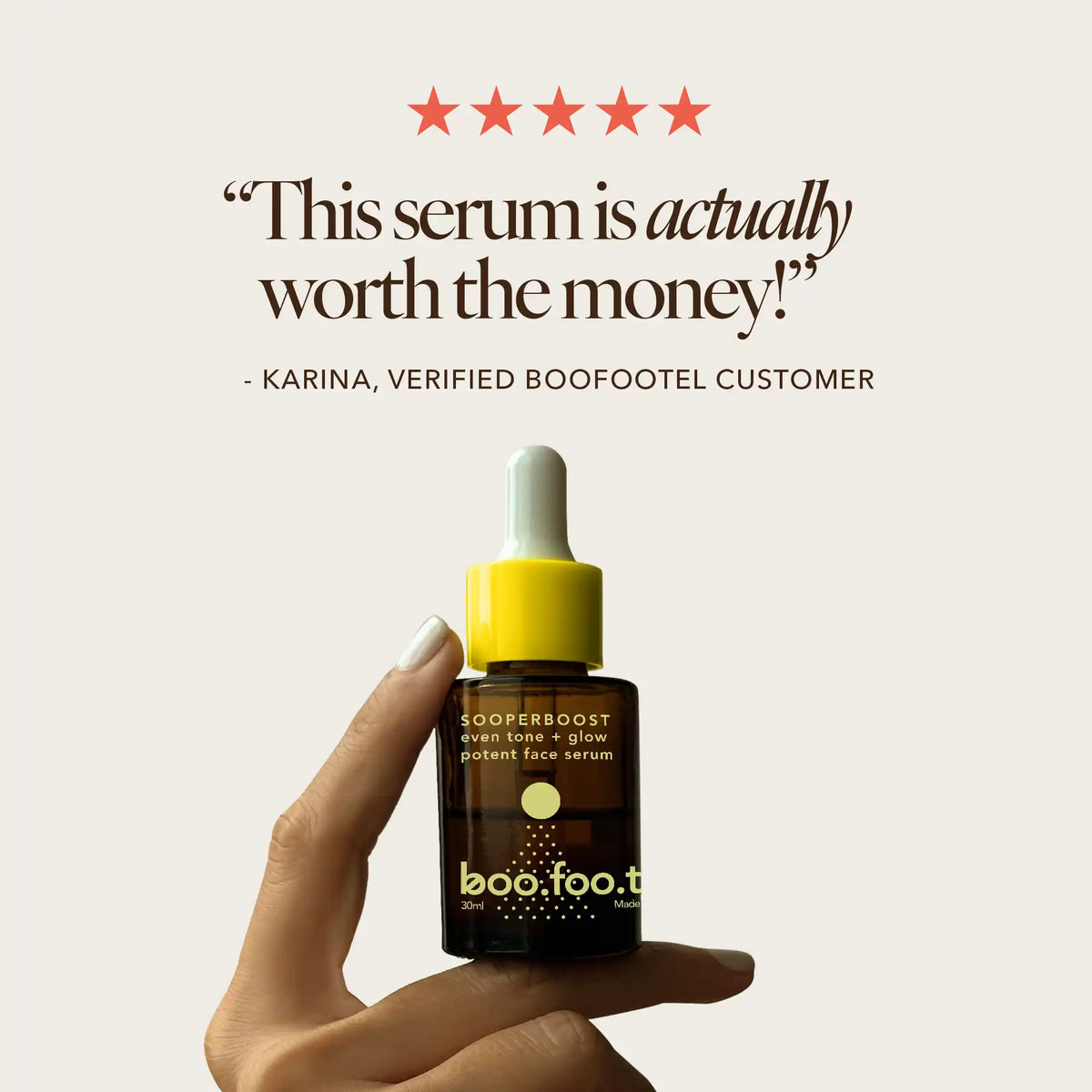
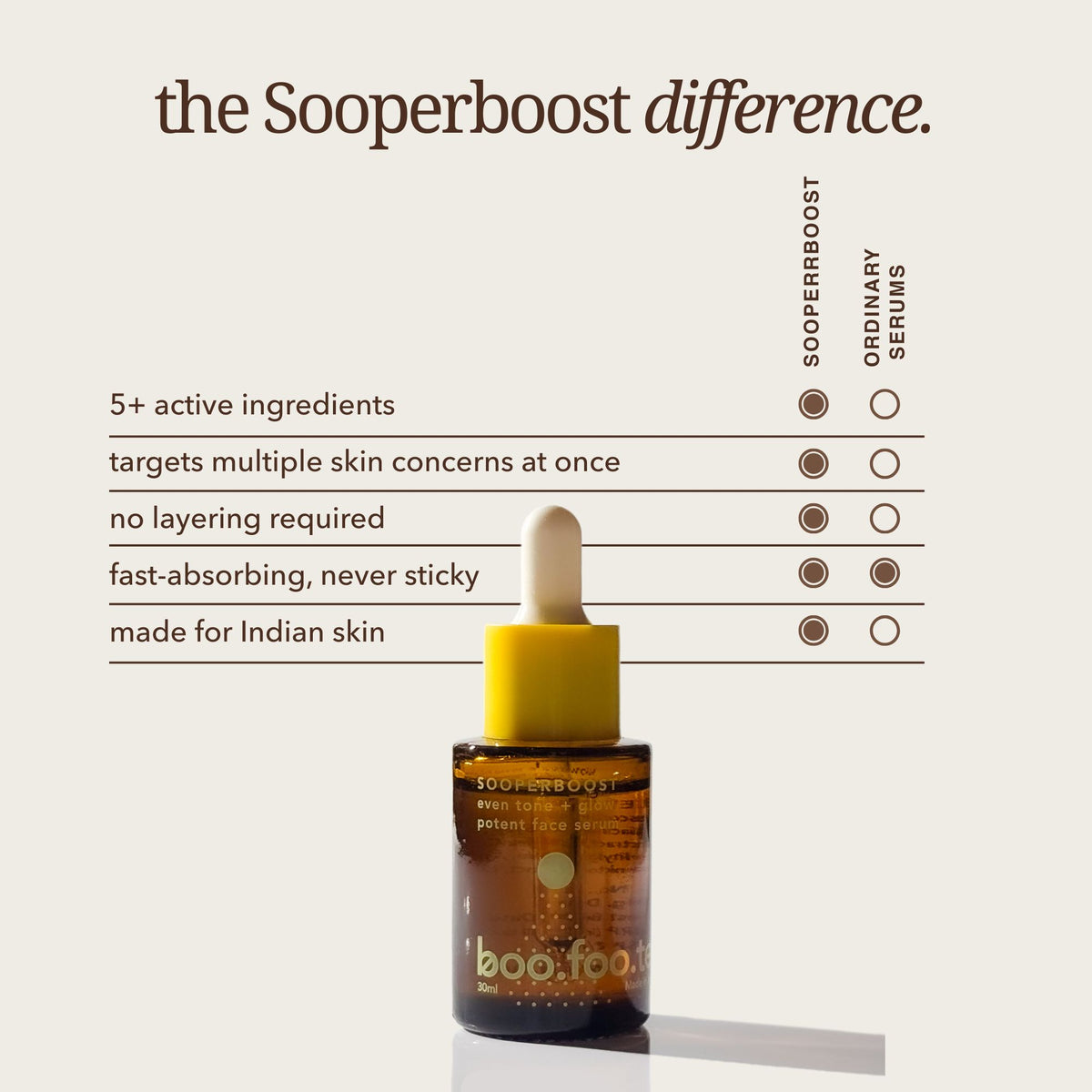
I'm a super-potent (and super-light!) serum that clears away spots, pigmentation and dullness – to give you a more even toned, glowy-as-heck complexion.
- Regular price
-
₹1,650 - Regular price
-
- Sale price
-
₹1,650
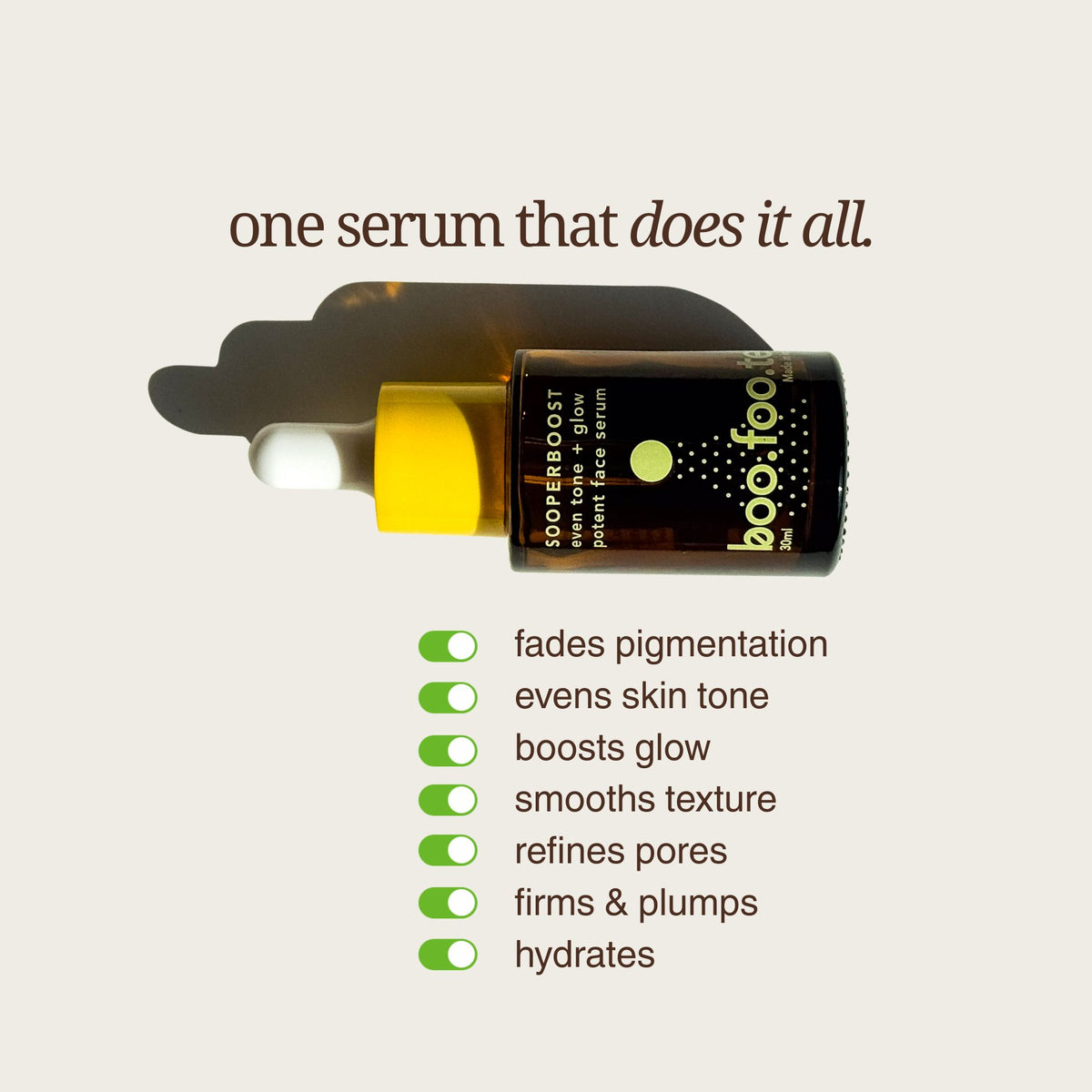
My Key Benefits
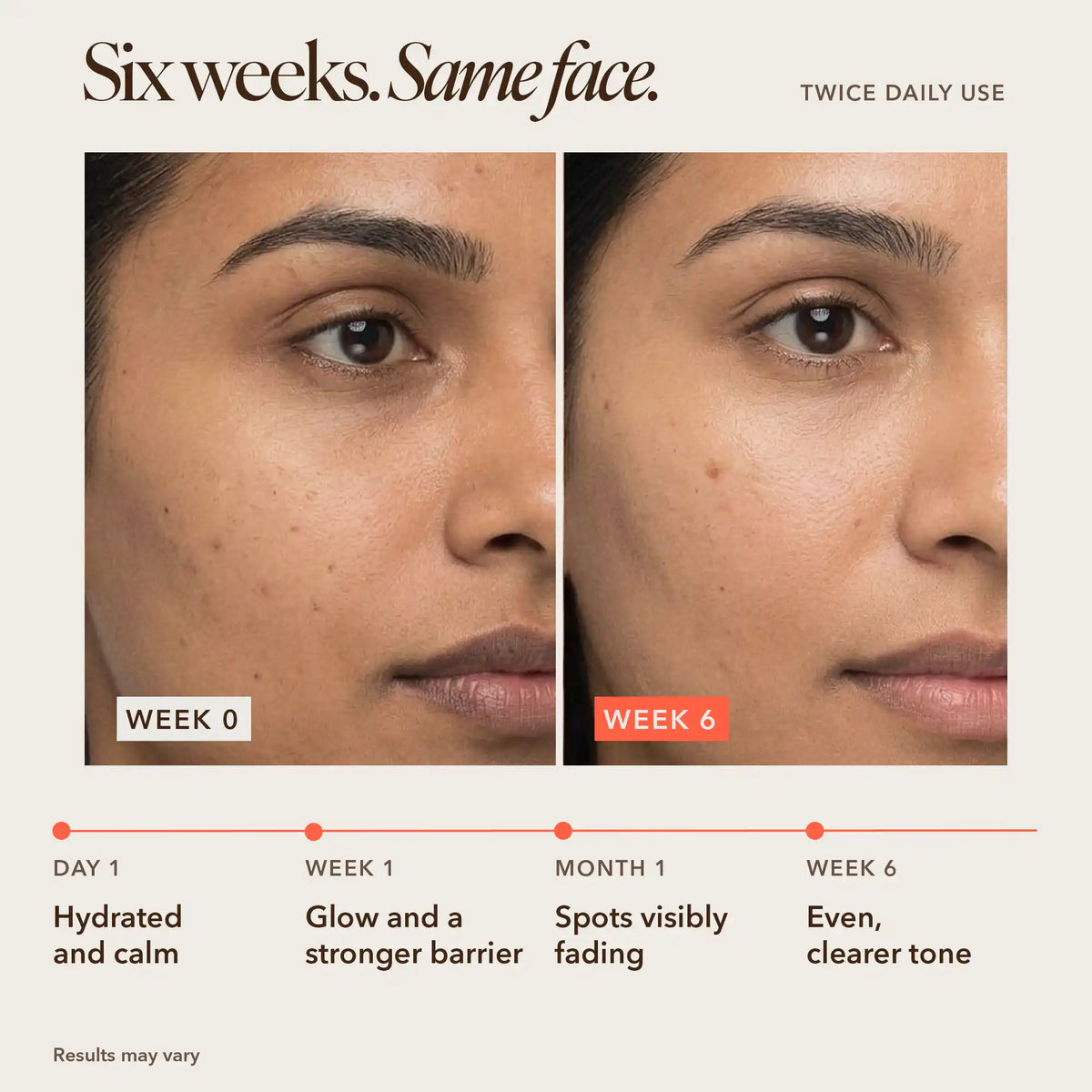
- Visibly reduces dark spots
- Fades pigmentation
- Brightens + boosts glow
- Firms and tightens
- Strengthens skin's barrier
My Hero Ingredients
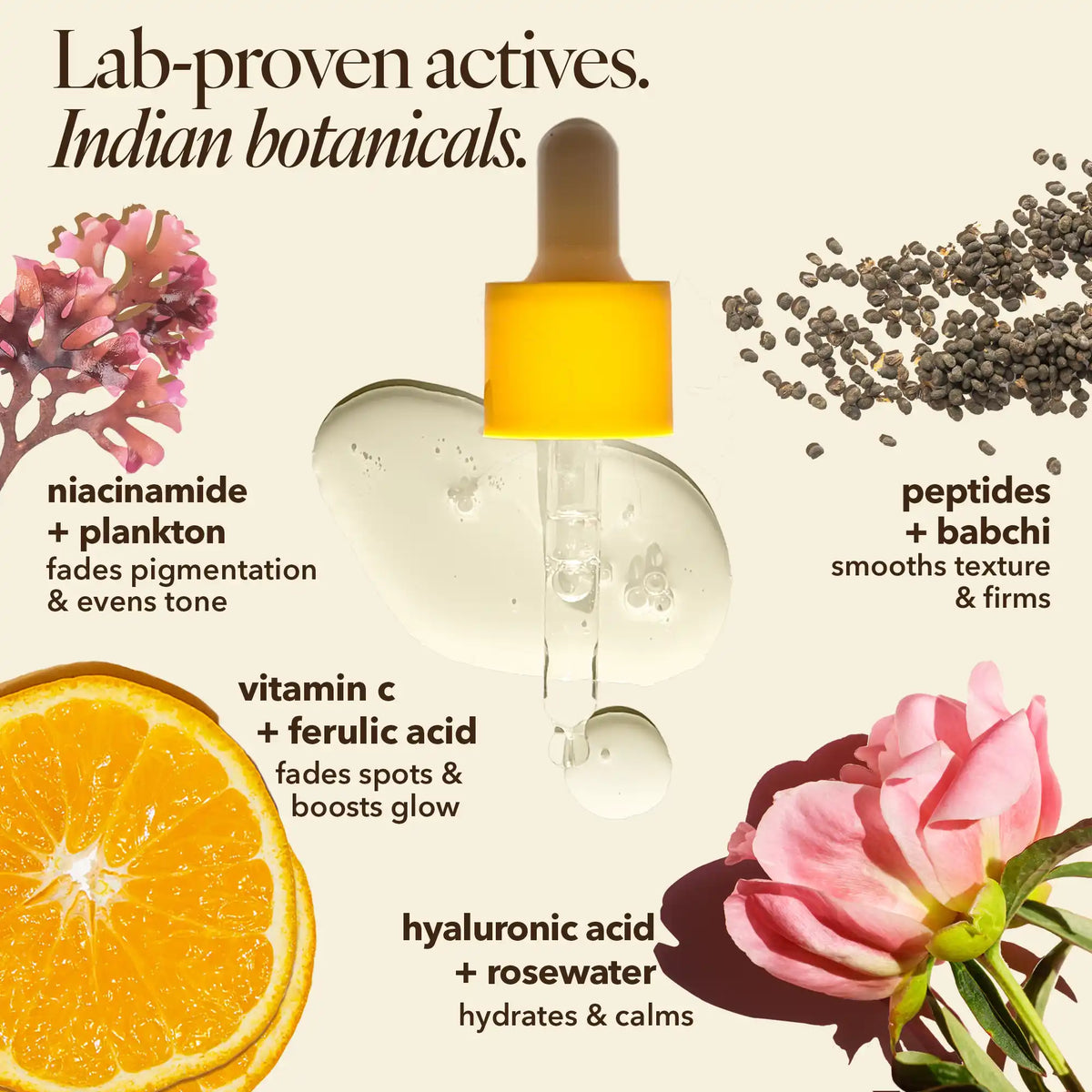
Vitamin C + Jamun extract
targets pigmentation & brightens skin
Niacinamide + Plankton extract
tackles dark spots & evens out skin tone
Peptides + Babchi
firms & plumps skin
Hyaluronic Acid + Rosewater
hydrates & soothes skin
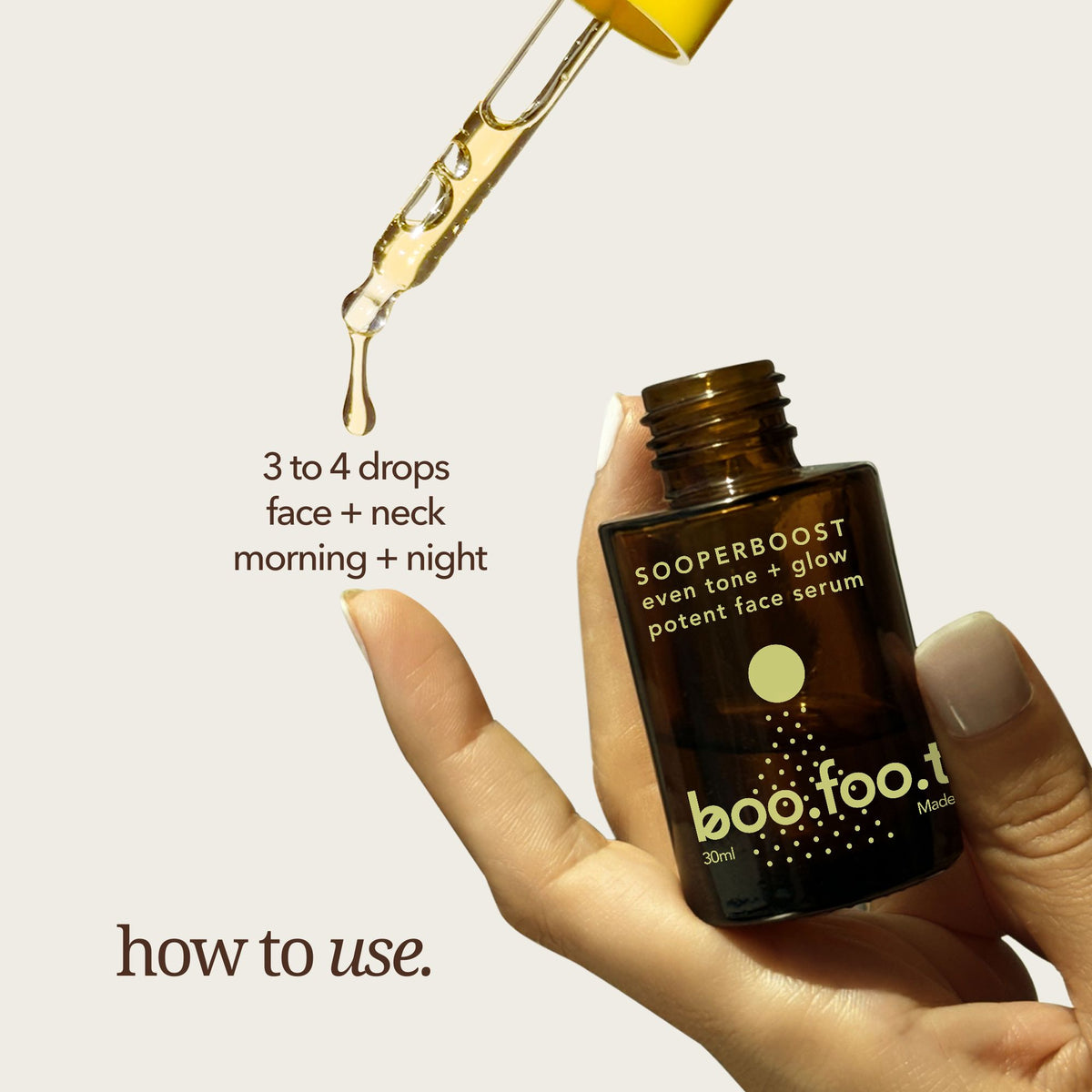
How To Use Me
Spread 4-5 drops all over your face and neck.
My brightening effects are doubled when used twice a day - morning and night.
It's always a good idea to follow me up with a sunscreen during the day.


The Science of Peptides
Peptides are short chains of amino acids — the building blocks used to make proteins throughout the body.
Your skin contains structural proteins such as collagen, elastin and keratin, which help influence its firmness, strength, elasticity and texture.
But putting peptides on the skin does not simply “add collagen”.
Different peptides are designed to perform different functions. Some act as signalling molecules, some carry minerals, some are used to influence expression lines and others support different aspects of skin structure.
That means the word peptide on an ingredient list tells you very little on its own.
The specific peptide matters.
So does the concentration, delivery system and rest of the formulation.
As skin ages, its extracellular matrix gradually changes.
Collagen becomes more fragmented, skin renewal slows and the structures that help keep skin firm and resilient become less efficient. UV exposure and other environmental stressors can accelerate this process.
Certain peptides are designed to act as signals.
They mimic fragments or messages associated with natural skin processes, helping signal cells involved in the extracellular matrix.
The result is not instant tightening.
Instead, consistent use may gradually improve the appearance of firmness, texture and fine lines.
This is why peptides are generally viewed as long-term supporting ingredients rather than quick resurfacing actives.
Think of them less as peeling away old skin and more as supporting the structures underneath it.
Palmitoyl Tripeptide-38 is a synthetic signal peptide used in skincare for the appearance of fine lines, wrinkles and loss of firmness.
The “tripeptide” part means it contains a sequence of three amino acids.
The “palmitoyl” part refers to a fatty-acid component attached to the peptide. This modification makes the molecule more lipid-friendly, which can help improve its interaction with the skin.
Palmitoyl Tripeptide-38 belongs to a group of peptides sometimes described as matrikine-mimetic peptides because they are designed to mimic signalling fragments associated with the skin’s extracellular matrix.
Laboratory and ex-vivo research on Palmitoyl Tripeptide-38 has shown increased synthesis of several matrix components, including:
- Collagen I
- Collagen III
- Collagen IV
- Hyaluronic acid
- Fibronectin
- Laminin
These substances all play different roles in the structure, support and appearance of skin.
Human testing has also reported improvements in the appearance of forehead lines and crow’s-feet wrinkles when Palmitoyl Tripeptide-38 was used in topical formulations.
That is why Boofootel chose this particular peptide rather than adding an unnamed “peptide complex” simply for the label.
You may see the names Palmitoyl Tripeptide-38 and Matrixyl Synthe’6 used together online.
They are related, but the names describe slightly different things.
Palmitoyl Tripeptide-38 is the INCI ingredient name — the name you may see on a cosmetic ingredient list.
Matrixyl Synthe’6 is a branded cosmetic ingredient system associated with Palmitoyl Tripeptide-38.
So when people search for “Matrixyl Synthe’6 peptide”, they are usually reading about the same peptide molecule: Palmitoyl Tripeptide-38.
Boofootel lists Palmitoyl Tripeptide-38 on the Sooperboost ingredient list.
The INCI name is ultimately the more useful thing to recognise when comparing skincare formulas.
This is the question worth asking.
There is promising evidence for topical peptides — but the answer is more nuanced than many skincare ads suggest.
Individual peptides have shown effects in laboratory studies, skin models and some human trials. Palmitoyl Tripeptide-38 in particular has been studied for its effects on extracellular-matrix components and the appearance of wrinkles.
But peptides are a very broad category.
Evidence for one peptide cannot automatically be applied to every ingredient with the word “peptide” in its name.
There are also formulation challenges. Peptides vary in size, stability and ability to reach the parts of the skin where they are intended to work.
So the scientifically sensible conclusion is:
Some well-studied peptides in well-formulated products can help improve the appearance of ageing skin — but “contains peptides” is not proof that a product will work.
Look for the specific peptide rather than the marketing claim.
Peptides do not work differently simply because skin is Indian.
That distinction matters.
Their main role is supporting skin structure, firmness and the appearance of fine lines — concerns that occur across all skin tones.
What makes peptides particularly useful in a routine for pigmentation-prone Indian and melanin-rich skin is that they can provide ageing-support benefits without exfoliating the skin.
Skin of colour often develops visible pigment changes alongside the usual signs of ageing such as loss of firmness, fine lines and texture changes.
And because irritation can trigger post-inflammatory pigmentation, an anti-ageing routine does not need to rely entirely on aggressive resurfacing.
Peptides can sit alongside ingredients that address the concerns Indian skin often experiences simultaneously:
- Vitamin C for pigmentation + antioxidant support
- Niacinamide for uneven tone + barrier support
- Hyaluronic acid for lightweight hydration
- Peptides for firmness + visible skin structure
It is less about finding one miracle anti-ageing active and more about addressing several ageing pathways without overwhelming the skin.
They are not interchangeable.
Retinoids have considerably more research behind them for photoageing, wrinkles, pigmentation and collagen-related skin changes.
They work partly by influencing cell turnover and gene expression and can produce substantial visible improvements over time.
But retinoids can also cause dryness, peeling and irritation — especially when introduced too quickly.
Peptides generally work more gently.
They do not exfoliate the skin or accelerate cell turnover in the same way. Instead, certain peptides act as signalling ingredients that support components associated with skin structure.
So peptides are not a stronger version of retinol — and retinol is not simply a better peptide.
You can choose based on your skin and your goals.
And they can also exist within the same overall routine.
For someone who wants to support firmness and fine lines without adding another aggressive active, peptides are particularly easy to incorporate.
No.
This is one of the biggest sources of confusion around peptide skincare.
Collagen is a large structural protein naturally found in the skin.
Peptides are much smaller chains of amino acids.
Some peptides are involved in signalling pathways associated with collagen and other components of the extracellular matrix, but applying a peptide does not simply replace the collagen your skin has lost.
Likewise, topical skincare containing collagen does not rebuild the skin’s dermal collagen by depositing new collagen molecules into it.
These are different approaches.
When choosing skincare for firmness, the more useful question is not:
“Does this product contain collagen?”
It is:
“Does this formula contain ingredients that can support the processes associated with healthier-looking skin structure?”
Peptides are generally easy to incorporate into a multi-active skincare routine.
Peptides + Vitamin C. A useful combination for skin dealing with both pigmentation and visible signs of ageing. Vitamin C provides antioxidant support and participates in collagen synthesis, while peptides can support skin-structure signalling through different pathways.
Peptides + Niacinamide. They can be used together. Niacinamide supports the skin barrier and uneven tone while peptides focus more on firmness and texture.
Peptides + Hyaluronic Acid. An excellent pairing when skin looks less plump or feels dehydrated. Hyaluronic acid provides hydration while peptides address the appearance of skin structure.
Peptides + Bakuchiol. Both are commonly used in routines focused on fine lines, firmness and texture. They work through different mechanisms and can complement each other in a thoughtfully formulated product.
Peptides + Ferulic Acid. Ferulic acid provides antioxidant support while peptides target different aspects of visible skin ageing.
Peptides + Retinoids. They can be used in the same routine. If your skin is sensitive, you may prefer to introduce actives gradually rather than layering several strong treatments at once.
One caveat: not all peptides are chemically identical. Advice you read about copper peptides, for example, should not automatically be applied to every other type of peptide.
Peptides can generally be used morning, night or both, depending on the complete formula.
A peptide serum usually sits in the treatment step of your routine:
Morning
- Cleanser
- Treatment serum
- Moisturiser if needed
- Broad-spectrum sunscreen
Night
- Cleanser
- Treatment serum
- Moisturiser
Peptides do not make skin photosensitive, so there is no reason they must be reserved for nighttime.
And they do not require “rest days” in the way some strong exfoliating routines might.
Consistency matters more than using them at a particular hour.
With any skincare designed to address ageing, sunscreen remains essential because UV exposure is one of the major drivers of collagen breakdown and visible photoageing.
Frequently Asked Questions About Peptides
Certain peptides can help improve the appearance of fine lines and wrinkles over time.
Their effectiveness depends on the specific peptide, formulation and consistent use.
Palmitoyl Tripeptide-38 has been studied specifically for supporting extracellular-matrix components and improving the appearance of wrinkle features.
Peptides may help skin look firmer and more resilient, but skincare cannot reproduce the effects of a surgical lift or procedure.
They are best thought of as ingredients that can support gradual improvements in visible firmness and texture.
There is no correct age.
You do not need to wait until wrinkles are established, and there is also no need for teenagers with healthy skin to use peptides simply because they are trending.
People commonly introduce peptide skincare when they begin noticing concerns such as fine lines, loss of bounce or changes in texture — often from the late twenties onward.
Your skin concern matters more than your birthday.
Yes.
Most peptide products are designed for regular use and are generally well tolerated.
Always follow the instructions for the finished product rather than treating every peptide formula the same way.
Either.
Peptides can generally be used morning or night because they are not inherently photosensitising.
Using them consistently matters more than the time of day.
Yes.
Peptides and Vitamin C can exist in the same skincare routine and in properly formulated multi-active products.
The old idea that all peptides must always be separated from Vitamin C is an oversimplification.
Different peptide types and formulas behave differently.
Yes.
Niacinamide and peptides are highly compatible in most skincare routines.
Niacinamide supports barrier function and uneven tone while peptides can help improve the appearance of firmness and texture.
Yes, depending on the formulation and your skin tolerance.
Retinoids and peptides work through different mechanisms and can complement one another.
If retinol irritates your skin, introduce products gradually rather than adding several actives at once.
Peptides are not generally considered purging ingredients.
They do not accelerate skin-cell turnover in the same way as retinoids or exfoliating acids.
If a new peptide product causes persistent bumps, redness or irritation, your skin may be reacting to another ingredient or the overall formulation.
Peptides themselves are generally well tolerated and do not exfoliate the skin.
But sensitivity is always formula-dependent.
A peptide serum containing several other potent actives may behave differently from a simple peptide product, so patch testing is sensible if your skin is reactive.
No.
Copper peptides are peptides complexed with copper, such as Copper Tripeptide-1. They belong to a different peptide category and have different properties.
Palmitoyl Tripeptide-38 is a palmitoylated signal peptide.
They should not be treated as interchangeable simply because both contain the word “peptide”.
Peptides are not instant tightening ingredients.
Hydration and plumpness from the overall formula may be noticeable relatively quickly, while changes in the appearance of firmness, texture and fine lines generally require consistent use over several weeks or longer.
Skincare results also depend on sun exposure, age, the rest of your routine and the complete formulation.


