If you’ve ever searched “how to get glass skin” or “Korean skincare routine for glowing skin”, you already know the promise: poreless, translucent, almost reflective skin. It looks effortless. It looks universal.
But if you've tried a K-beauty routine and ended up with breakouts, more dark spots, or just looking oily — it’s because glass skin was never designed with Indian skin in mind. Indian skin has different needs, different concerns, and a different climate.
Here's what actually works.
Table of Contents
|
What is Glass Skin? |
|
Why the Glass Skin trend went global |
|
Why the glass skin routine was never built for Indian skin |
|
How Indian skin actually behaves |
|
Why Glass Skin doesn’t work for Indian Skin |
|
What Indian Skin actually needs |
|
The right ingredients for Indian skin concerns |
|
The Best Routine for Indian Skin |
|
Where most Skincare Brands get it wrong |
|
The Shift: Skincare Made for Indian Skin |
|
Key Takeaways |
|
FAQs |
What Is Glass Skin?
“Glass skin” is a K-beauty term popularised in South Korea that refers to skin that looks: so hydrated, so even, and so luminous that it literally resembles a pane of glass. Poreless. Smooth. Almost reflective.
It’s typically achieved through multi-step skincare routines layered with hydrating toners, essences, serums, and ampoules — until skin is completely saturated with moisture.
The goal is a plumped, dewy finish that photographs like filtered porcelain. Hyaluronic acid, snail mucin, and sheet masks every other day. Ten steps minimum.
"If you've tried a glass skin routine and ended up with breakouts and more dark spots instead of a glow, you weren't doing it wrong. The routine just wasn't made for you."
On the right skin, in the right climate, it works. The issue is that the beauty industry sold this trend to everyone without mentioning that "the right skin" was never Indian skin. And there's a real biological reason for that.
Why the Glass Skin Trend Went Global
The global rise of K-beauty brought with it a wave of aspirational skincare goals. Social media amplified this even further — dewy, luminous skin became the gold standard.
But what worked in one region got exported everywhere without adapting to different skin needs.

Why the glass skin routine was never built for Indian skin
K-beauty was developed in South Korea, for South Korean skin. That skin tends to produce less sebum, has a thinner epidermis, and lower natural melanin concentration. The climate in Seoul is also cold and dry — meaning skin genuinely craves the deep, layered moisture these routines deliver.
Glass skin also photographs differently depending on skin tone and climate. The same product layering that reads as "luminous glow" on lighter skin in a cool studio? On Indian skin, in Indian heat, it reads as oil. That's not a product failure — it's a mismatch that nobody at the brand level was honest about.
K-beauty ingredients are often genuinely brilliant. The problem is adopting a complete routine philosophy — the layering, the volume, the texture-heavy products — that was designed for a completely different biological and environmental context.
How Indian skin actually behaves — and the real concerns it deals with every day
Indian skin is melanin-rich. That melanin is genuinely protective — Indian skin ages more slowly, stays firmer longer, and has natural UV resilience. But it also means our skin has specific, consistent concerns that a Korean-designed routine simply doesn't address.
Post-Inflammatory Pigmentation
Any irritation — a pimple, a scratch, a harsh product — can leave a dark mark that sticks around for months
Uneven Skin Tone
Melanin reacts fast to sun, stress, and inflammation — creating patchiness that's hard to shift
Excess Oil + Congestion
Higher sebaceous activity + Indian heat = skin that doesn't need more moisture, it needs smarter moisture
Sun Damage + Dullness
Year-round UV exposure builds up melanin unevenly, making skin look dull and tired
Add to that: hard water in most Indian cities disrupting skin's pH, daily pollution clogging pores, and sweat that breaks down products faster than they were designed for. Indian skin is dealing with a completely different daily environment than the skin that glass skin routines were built for.
None of this means Indian skin can't be luminous, even, and genuinely glowing. It means it needs a different approach — one that's built around its actual concerns, its actual climate, and ingredients that understand its biology.

Why Glass Skin Doesn’t Work for Indian Skin
Indian skin behaves very differently. It is:
- More prone to pigmentation and dark spots
- More reactive to sun exposure
- Prone to uneven skin tone and patchiness
- Likely to develop bumpy texture on face and body
Most glass skin routines focus heavily on hydration and layering—but hydration alone doesn’t solve these concerns.
The problem with following glass skin routines blindly:
- Over-layering can clog pores in humid climates
- Lack of targeted actives means pigmentation stays untreated
- Focus on glow can mask deeper issues like uneven tone
What Indian Skin Actually Needs
Instead of chasing a finish, Indian skin needs function-first skincare.
That means:
- Targeting pigmentation at the root
- Brightening uneven tone
- Smoothing texture and bumps
- Supporting skin barrier without heaviness
It’s less about looking like glass—and more about looking clear, even, and healthy in real life.

The Right Ingredients for Indian Skin Concerns
If you’re searching for “best ingredients for pigmentation” or “how to brighten dull skin”, these are the ones that actually work:
Vitamin C
- Helps fade dark spots
- Brightens overall skin tone
- Blocks excess melanin production
- Protects against environmental damage
Niacinamide
- Reduces uneven skin tone
- Improves texture
- Strengthens the skin barrier
- controls excess oil production
- minimises the appearance of open pores
Exfoliating Acids (AHAs like Glycolic & Lactic)
- Smooth bumpy skin
- Improve texture
- Help with ingrown-prone areas
Hydrators (Hyaluronic Acid, Glycerin)
- Provide weightless hydration
- Keep skin plump without clogging
"Indian skin doesn't need a routine with more steps. It needs a routine with better ingredients — ones that were actually built for it."
The Best Routine for Indian Skin
Instead of a 10-step routine, Indian skin benefits more from a targeted, high-performance approach:
Morning:
- Cleanser
- Vitamin C-based serum
- Moisturiser
- Sunscreen
Evening:
- Cleanser
- Treatment serum (with actives)
- Moisturiser
That’s it.
No excessive layering. No unnecessary steps.
Where Most Skincare Brands Get It Wrong
Most global skincare brands:
- Adapt formulas from Western or East Asian markets
- Focus heavily on hydration or anti-aging
- Ignore concerns like pigmentation and uneven tone
This leaves Indian consumers trying product after product—without seeing real results.
The Shift: Skincare Made for Indian Skin
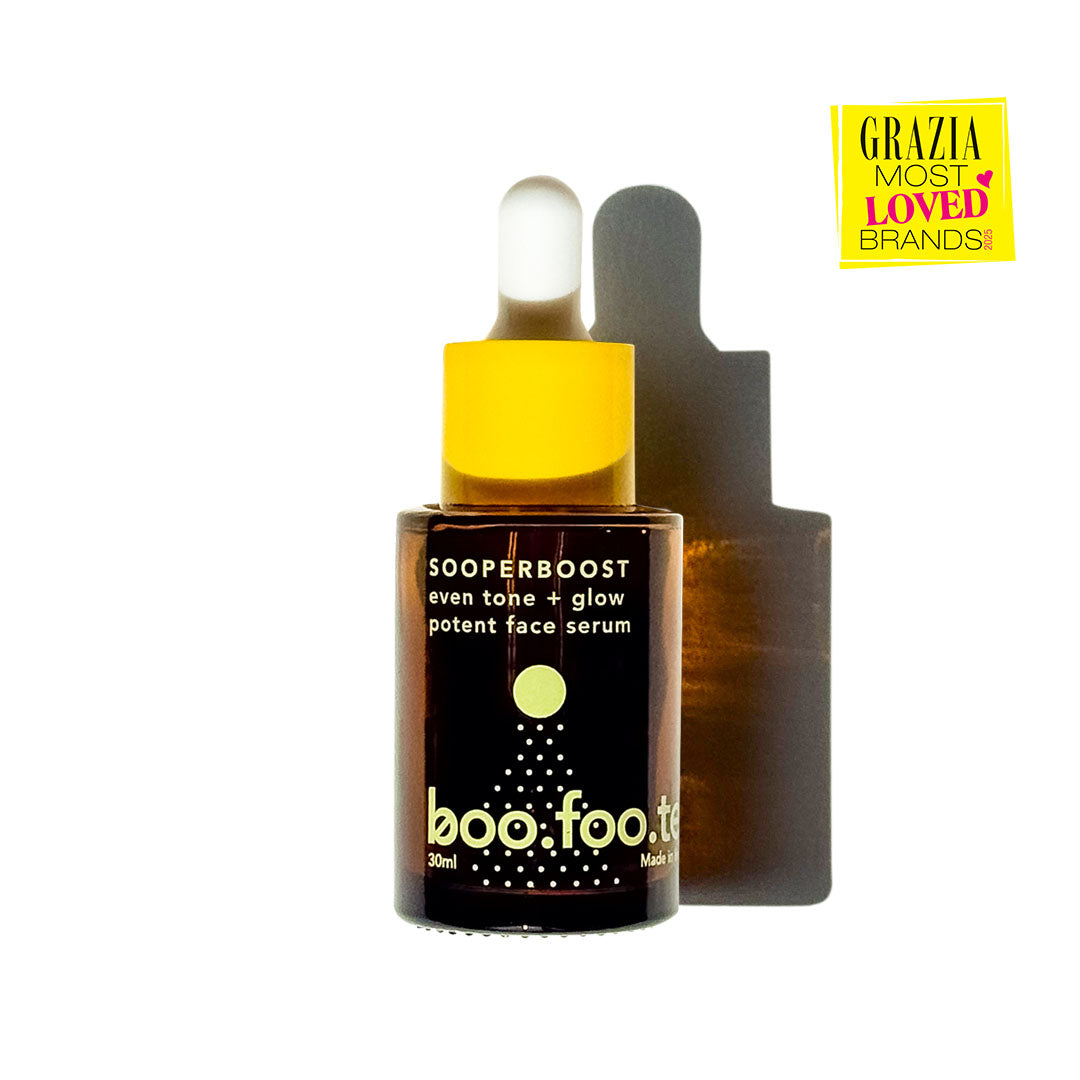
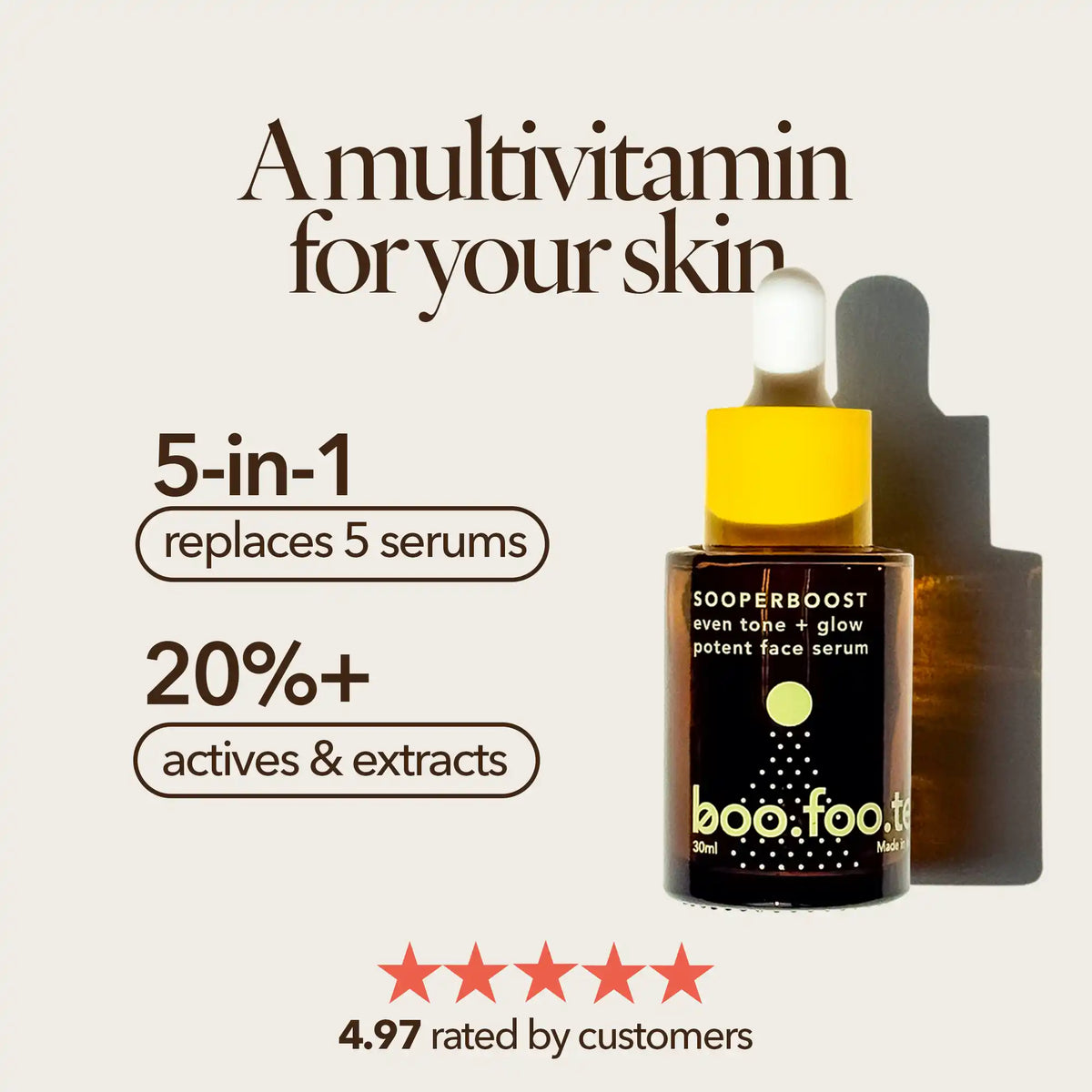
This is exactly the gap Boofootel set out to solve.
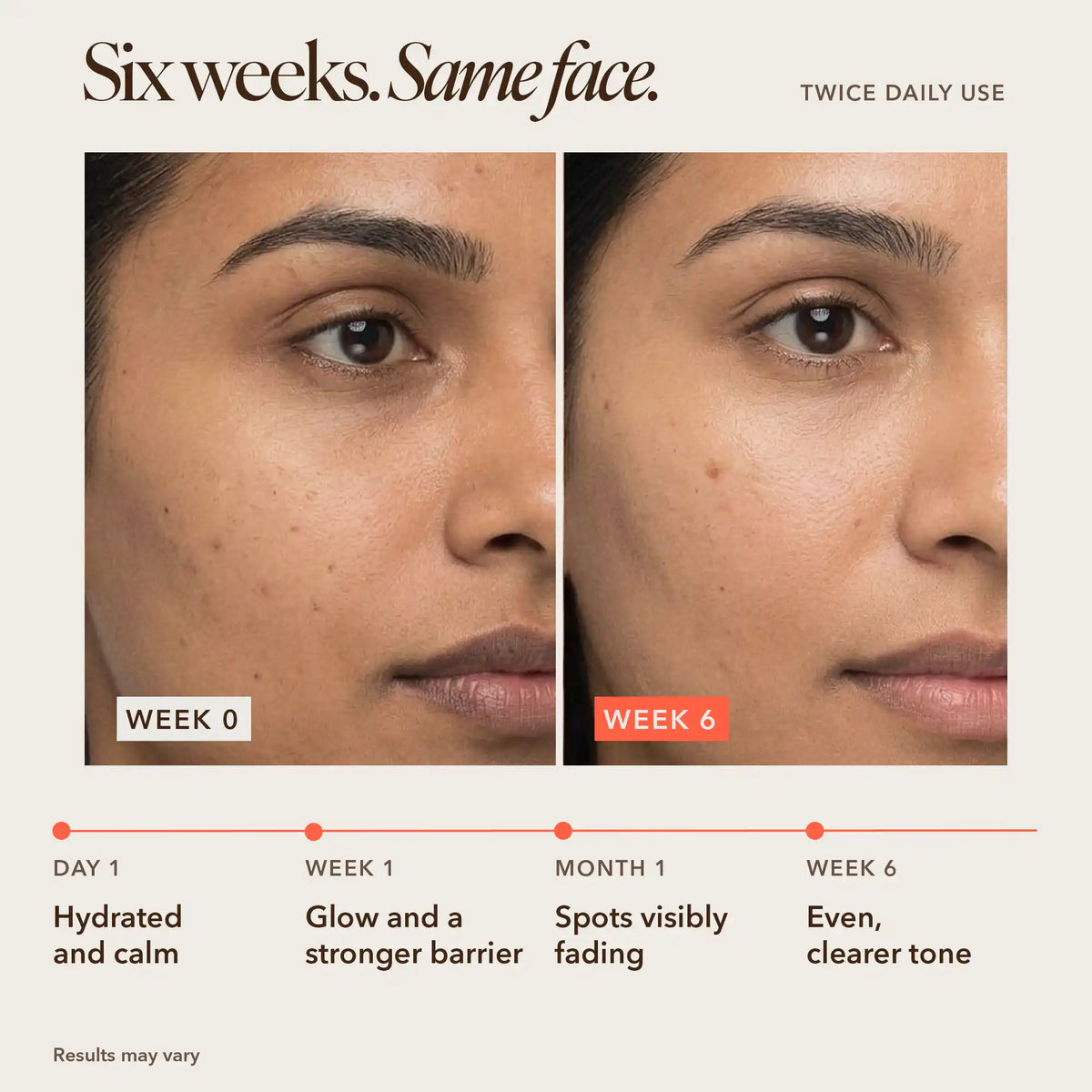
Instead of following trends, it focused on what Indian skin actually struggles with daily—pigmentation, uneven tone, dullness, and texture.
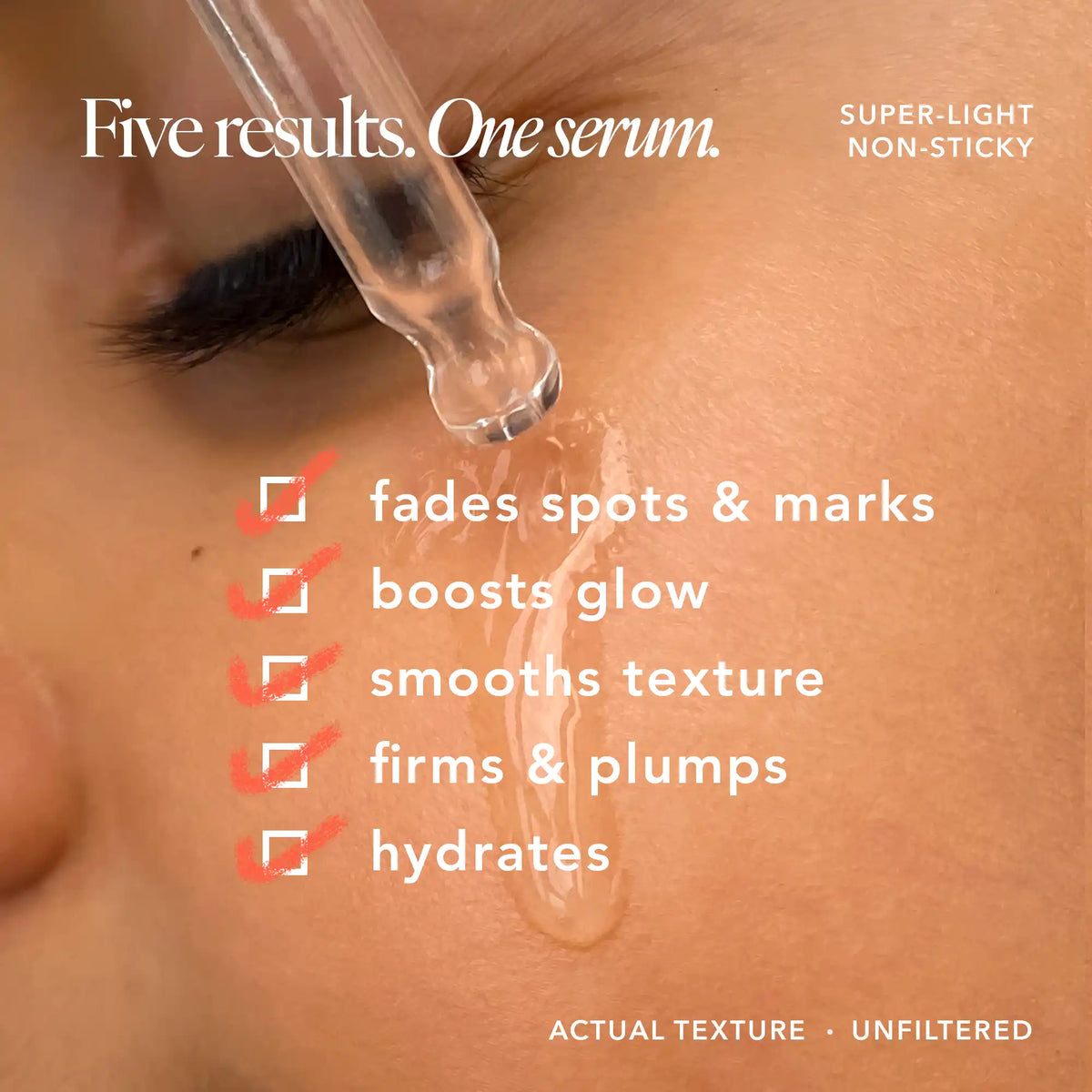
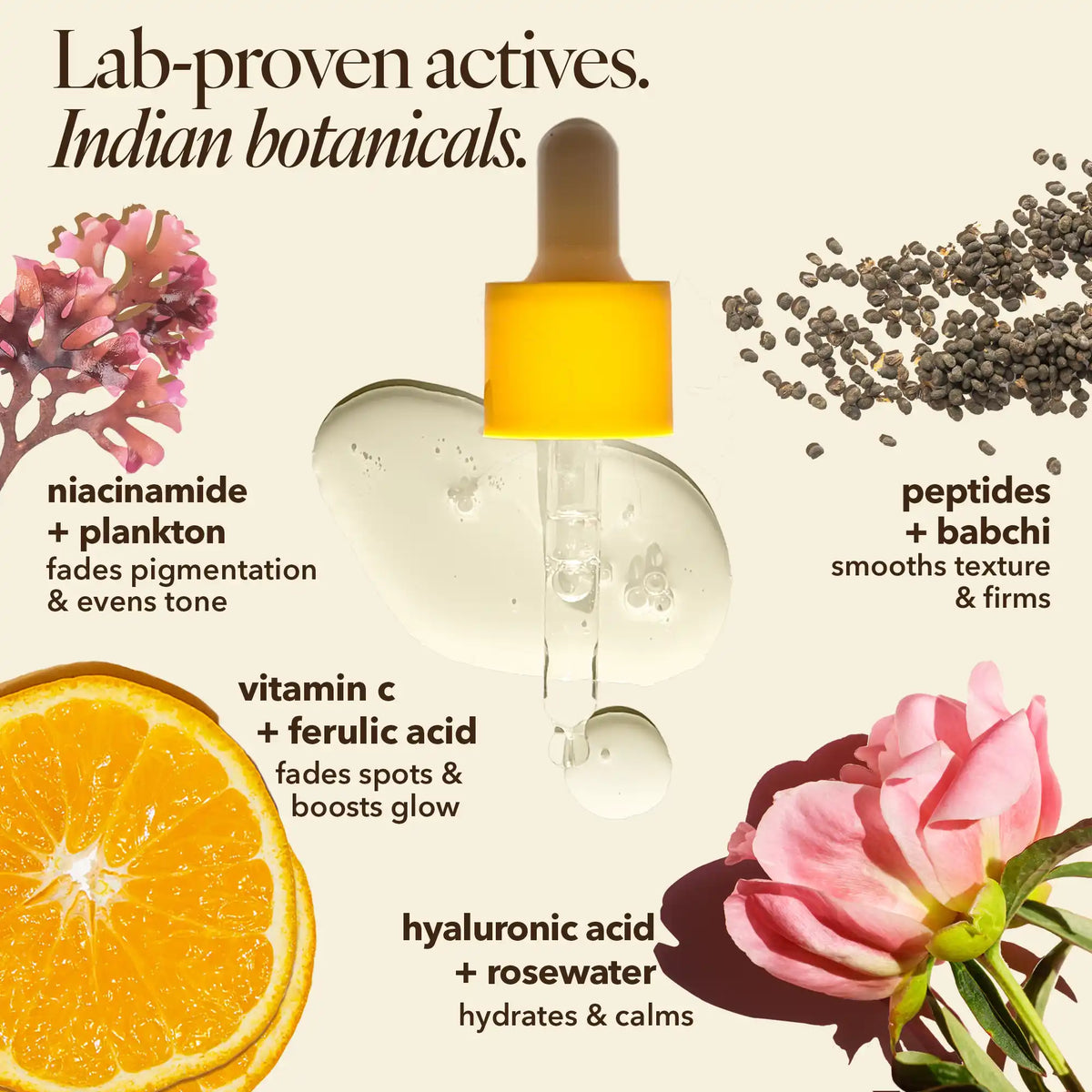
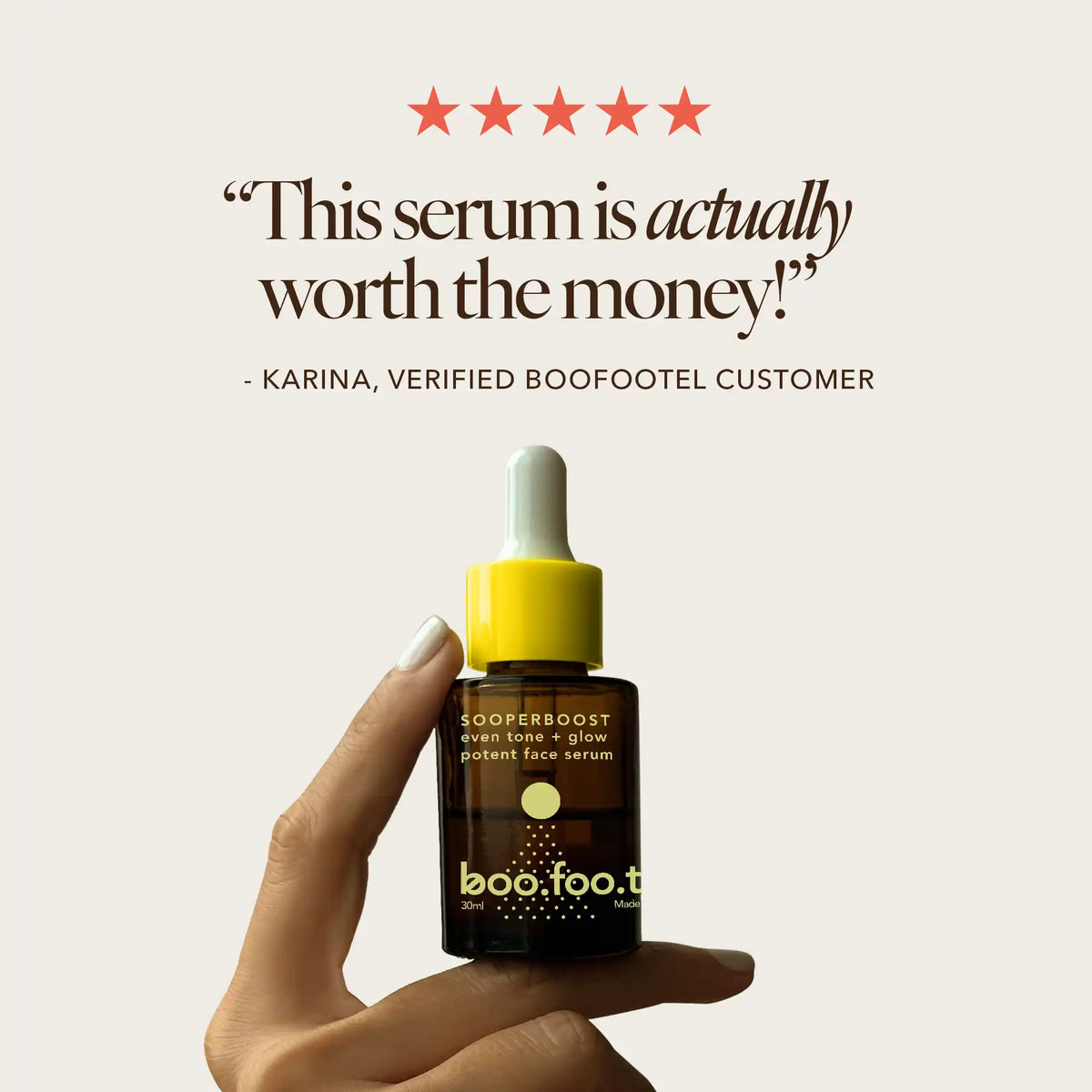
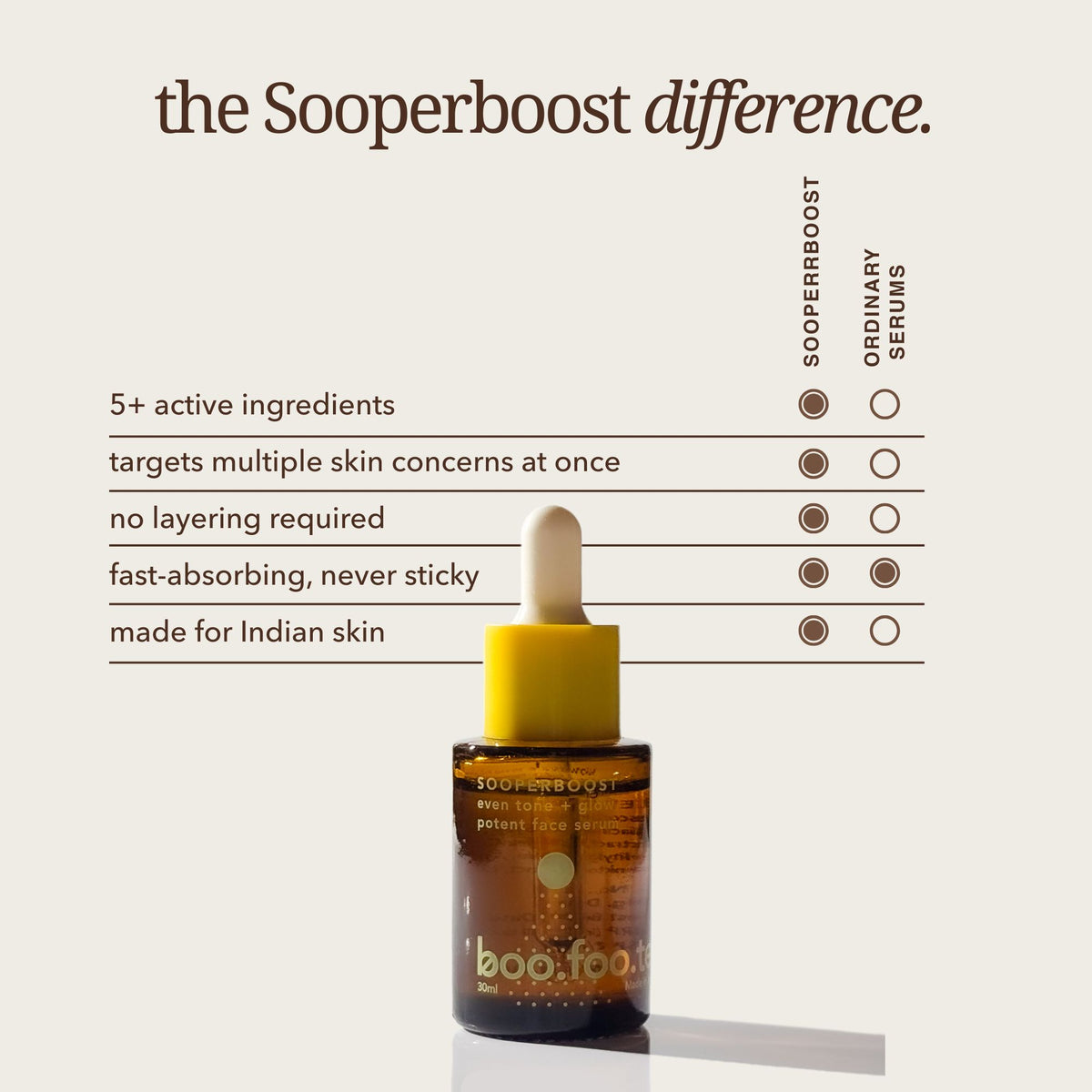
Sooperboost Face Serum was created as a multi-active formula that combines:
- Vitamin C to brighten
- Niacinamide to even tone
- Peptides to support skin structure
- Hyaluronic Acid + Glycerin for weightless hydration
- Babchi extract for added skin clarity
It’s designed to do what most routines try to do in layers—but in one step.
Not to give you glass skin.
But to give you clearer, brighter, more even-looking skin that actually lasts.