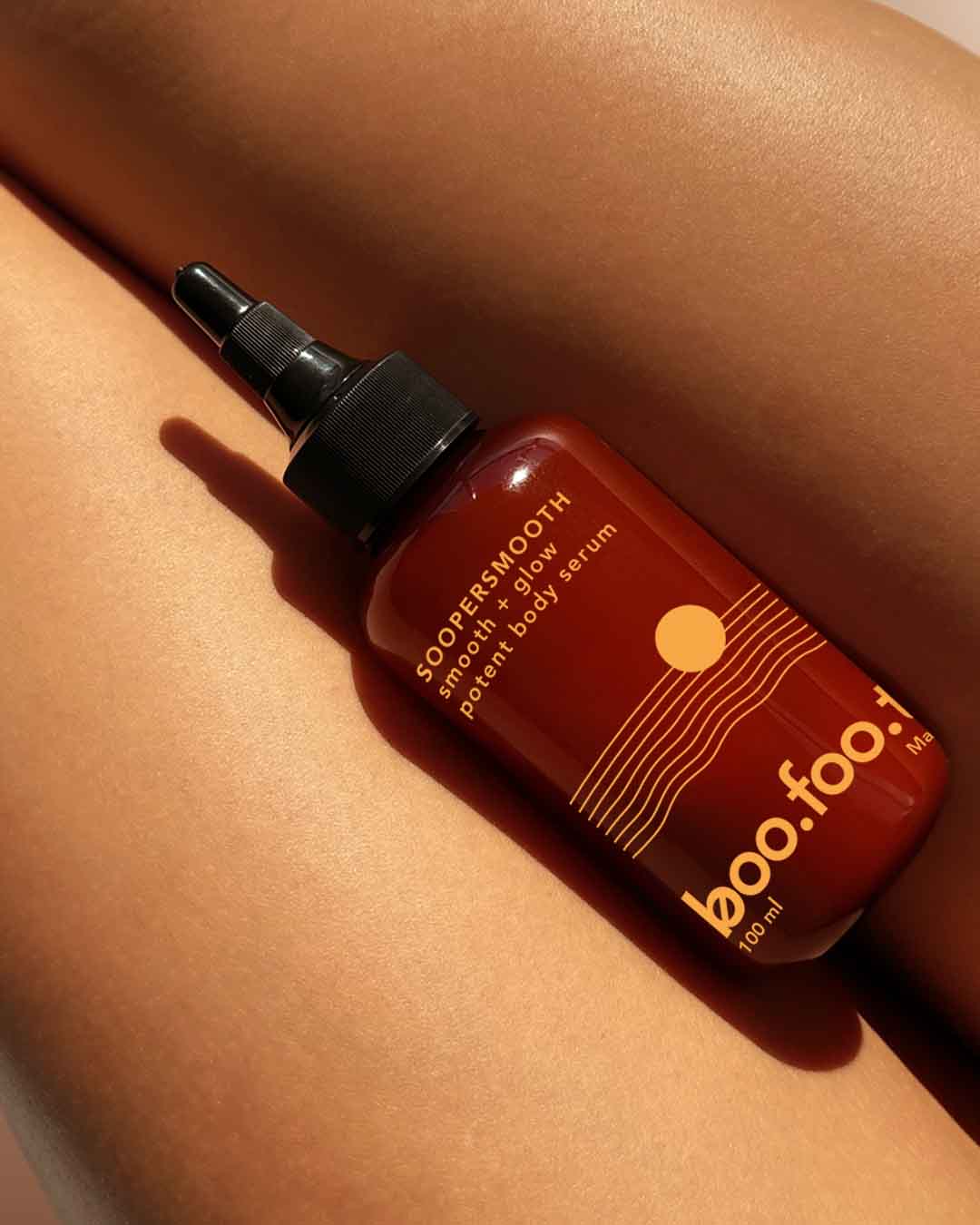
Run your hand over your arms or thighs. If it feels slightly grainy, uneven or dotted with tiny bumps — you’re dealing with what most people call chicken skin.
It’s one of the most searched skin concerns globally. And yet, most advice online is either too generic — or completely wrong for Indian skin. This guide breaks it down properly.
Inside this guide
1. What is Chicken Skin (Keratosis Pilaris)?
2. Why It Looks Worse on Indian Skin
3. What Causes Rough and Bumpy Skin
4. Why Chicken Skin Feels Persistent
5. Common Mistakes That Make It Worse
6. Treatment for Chicken Skin: How to Get Rid of Rough and Bumpy Skin
- Ingredients That Actually Treat Chicken Skin
- Dermatologist Treatments for Keratosis Pilaris
- Home Remedies for Chicken Skin
- Lifestyle Changes That Improve Bumpy Skin
8. Best Routine for Rough and Bumpy Skin
9. Why Soopersmooth Works
10. FAQs about Chicken Skin

What is Chicken Skin (Keratosis Pilaris)?
Chicken skin is the everyday term for keratosis pilaris (KP) — a common, genetic skin condition where the skin develops tiny, rough bumps.
Dermatology literature defines it as: “Follicular keratotic papules caused by hyperkeratinization of hair follicles.”
In simpler terms:
Your skin produces keratin (a protective protein).
Too much keratin builds up. It blocks hair follicles
This creates small, hard bumps.
These bumps typically show up on your arms, thighs, bum and legs. And they give skin that rough, sandpaper-like texture.
Why It Looks Worse on Indian Skin
Chicken skin is not just about bumps. It’s about how your skin responds to those bumps.
1. Higher Risk of Pigmentation
Indian skin is more prone to post-inflammatory hyperpigmentation (PIH). This means even mild irritation can leave visible marks.
So instead of getting just bumps, you get bumps + dark spots + uneven tone
2. Follicular Structure & Density
Thicker hair follicles → more visible clogging → more noticeable texture
Thicker hair follicles common in Indian skin make clogged keratin plugs more obvious. Combined with the natural density of follicles, the bumps appear larger and more textured than in some other skin types.
3. Climate + External Stress
Environmental and lifestyle factors like heat, humidity, sweat, and pollution can worsen follicular blockage.
4. Dryness Cycles
Seasonal dryness or disrupted skin barriers also increase keratin buildup, making bumps more persistent and pronounced.
In short, chicken skin on Indian skin is rarely subtle. It’s rough, textured, and often pigmented, which explains why one-size-fits-all treatments fail and why Indian skin requires a targeted, gentle, and consistent approach.

What Causes Rough and Bumpy Skin
Chicken skin isn’t random. It’s the result of keratin overproduction and follicular plugging. Keratin is your skin’s natural protective protein, but in KP, it accumulates excessively in the hair follicles.
Other contributing factors include:
-
Genetics: KP often runs in families, with studies showing a strong hereditary link.
-
Dryness: Dry skin worsens keratin buildup, increasing roughness and bump formation.
-
Inflammation & friction: Tight clothing, rubbing, or scratching inflames follicles, intensifying bumps.
-
Barrier dysfunction: A compromised skin barrier leads to uneven shedding of skin cells, exacerbating texture.
This combination explains why some people experience persistent, rough, and bumpy skin despite regular moisturizing or exfoliating.
Why Chicken Skin Feels Persistent
One of the most frustrating aspects of KP is its recurring nature. Even after treatment, bumps can return. That’s because keratin buildup is continuous, and follicular plugging happens at a microscopic level beneath the surface.
Research indicates that improvements occur gradually. Visible smoothing typically requires weeks of consistent care, and even then, ongoing maintenance is necessary to prevent recurrence. This is why “quick fixes” often fail and why persistent, gentle care is recommended.

Common Mistakes That Make It Worse
Many people unknowingly worsen their KP. Common mistakes include:
❌ Over-scrubbing:
Harsh physical exfoliation irritates follicles, causing redness and increased keratin buildup.
❌ Relying only on moisturizers:
While hydrating, moisturizers alone do not unclog follicles or reduce texture.
❌ Using heavy creams, butters and oils:
Occlusive products can trap keratin and worsen bumps.
❌ Inconsistency:
KP responds to routine care, not sporadic or intensive treatments.
Treatment for Chicken Skin: How to Get Rid of Rough and Bumpy Skin
Effectively treating KP requires a multi-pronged approach, combining actives, dermatological guidance, home care, and lifestyle changes.
Ingredients That Actually Treat Chicken Skin
For rough and bumpy skin, certain active ingredients are clinically proven to improve texture and tone:
✔️ Glycolic Acid: An AHA that dissolves keratin plugs, smooths bumps, and increases cell turnover.
✔️ Lactic Acid: Gentle exfoliation with added hydration, ideal for sensitive or dry skin.
✔️ Urea: Softens hardened keratin plugs, improving smoothness.
✔️ Salicylic Acid: Penetrates pores to unclog follicles.
✔️ Niacinamide: Reduces pigmentation and supports barrier repair, essential for Indian skin prone to PIH.
These ingredients target both the bumps and underlying causes, which makes them far more effective than standard lotions or scrubs.
Dermatologist Treatments for Keratosis Pilaris
For persistent or severe cases, dermatologists may recommend:
-
Chemical Peels (AHA-based): Resurface skin and reduce bumps.
-
Laser Treatments: Reduce redness, pigmentation, and visible bumps.
-
Prescription Topicals: Retinoids or stronger exfoliants regulate cell turnover and prevent recurrence.
Home Remedies for Chicken Skin
Home remedies can support smoother skin but won’t cure KP. Effective approaches include:
- Mild chemical exfoliation over physical scrubs
- Consistent hydration
- Short, lukewarm showers to prevent barrier damage
Harsh scrubs, loofahs, or heavy oils should be avoided as they worsen irritation and roughness.
Lifestyle Changes That Improve Bumpy Skin
- Wear looser clothing to reduce friction
- Avoid hot water and harsh cleansers
- Maintain consistent care over weeks to see visible improvement
Even small adjustments can significantly impact the appearance and feel of skin over time.

Best Skincare Routine for Chicken Skin and Bumpy Texture
A daily routine for KP should focus on:
-
Gentle Cleansing: Avoid stripping natural oils.
-
Chemical Exfoliation: Use glycolic or lactic acid consistently.
-
Lightweight Hydration: Hyaluronic acid or barrier-supporting moisturizers.
-
Sun Protection: PIH is worsened by UV exposure.
-
Consistency: Visible improvements occur over weeks, not days.
This combination ensures both bumps and pigmentation are addressed.