

A traditional botanical for uneven tone, texture + visible signs of ageing.
Babchi, also known as Bakuchi, is a traditional Indian botanical used for centuries in skin preparations. Its seeds contain several naturally occurring compounds, including bakuchiol.

Benefits
- Provides antioxidant botanical support
- Supports smoother, more even looking skin
- Complements ingredients targeting pigmentation
- Helps improve the look of dull, uneven tone
- Supports firmer, healthier looking skin
Get the benefits of Babchi Extract
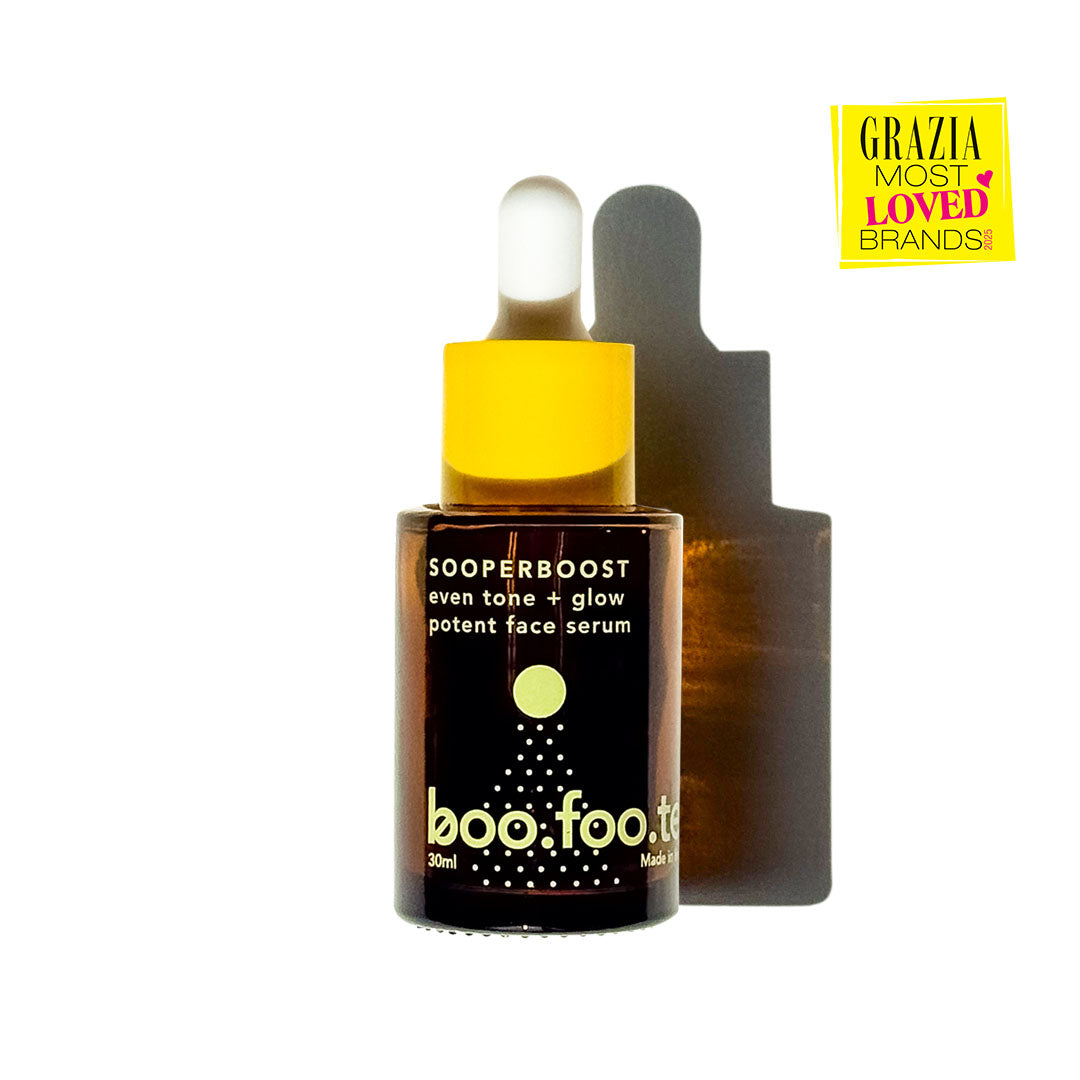
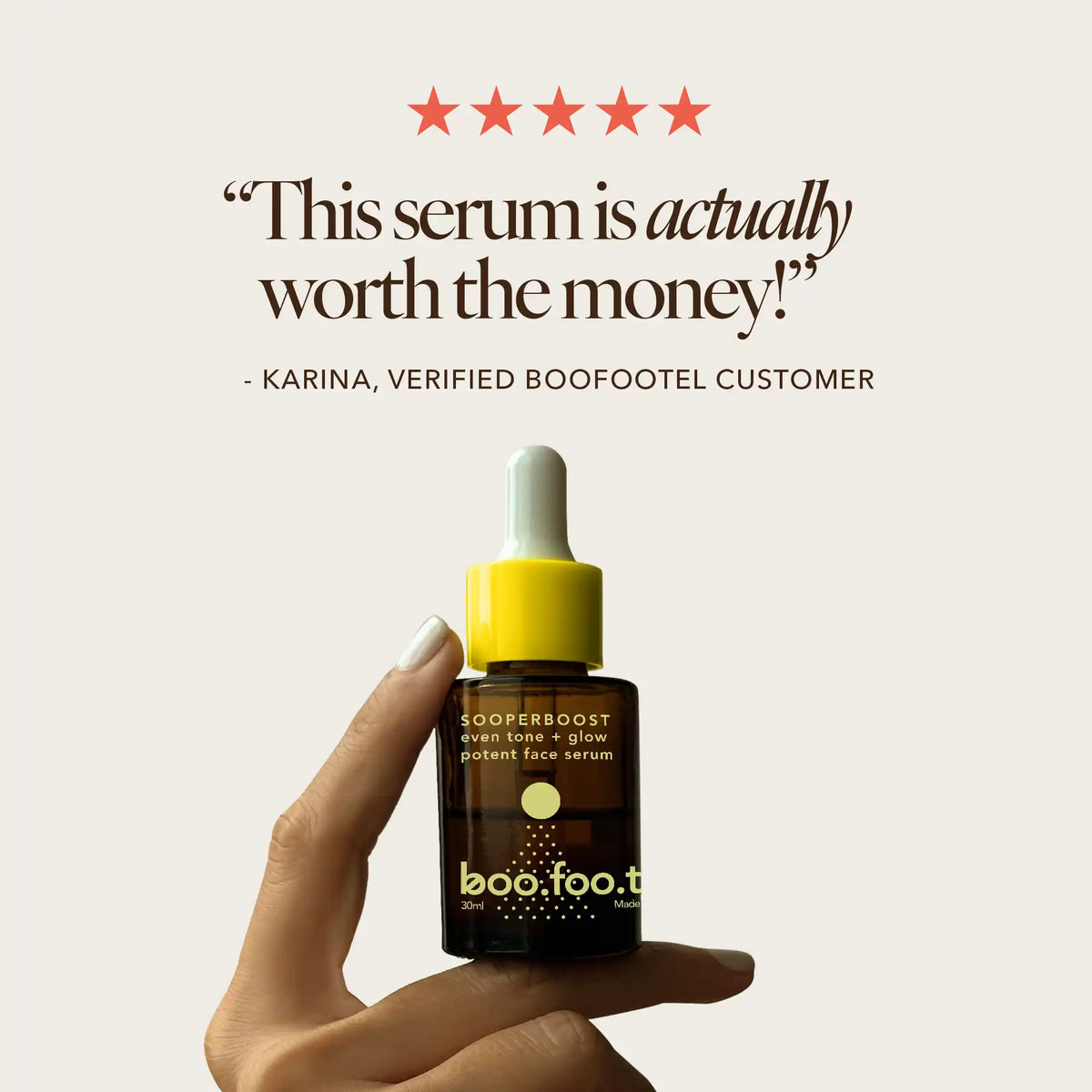
SOOPERBOOST Face Serum
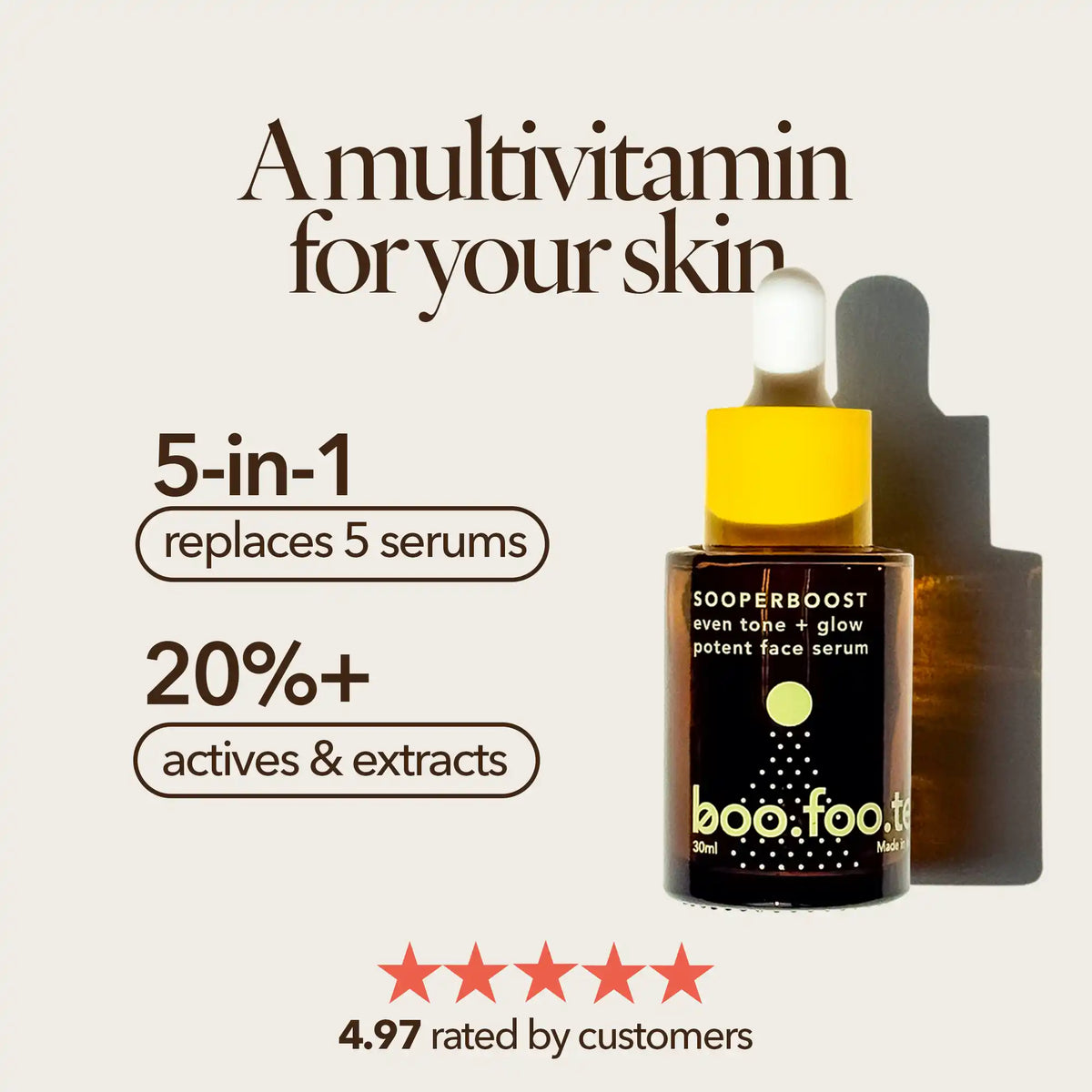
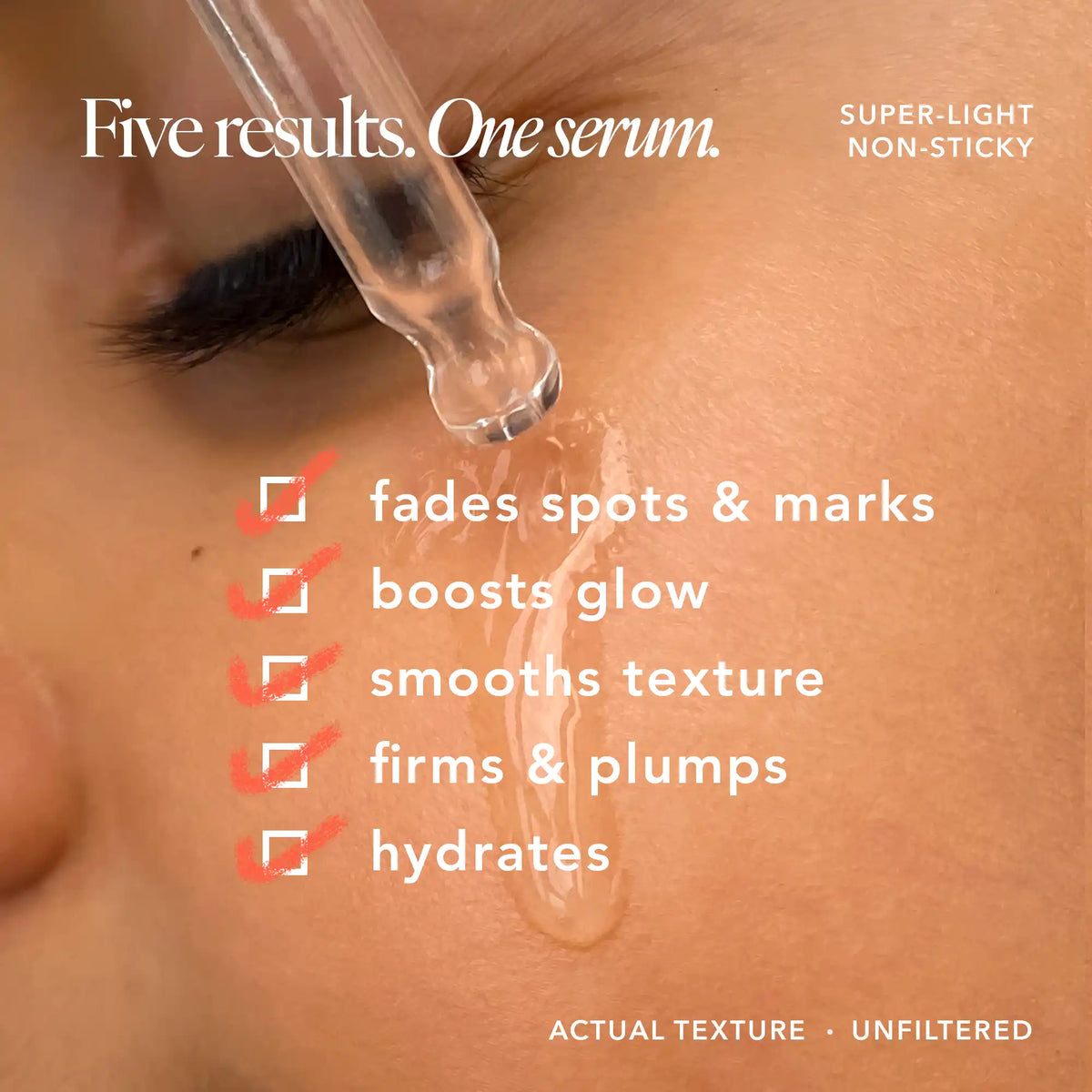
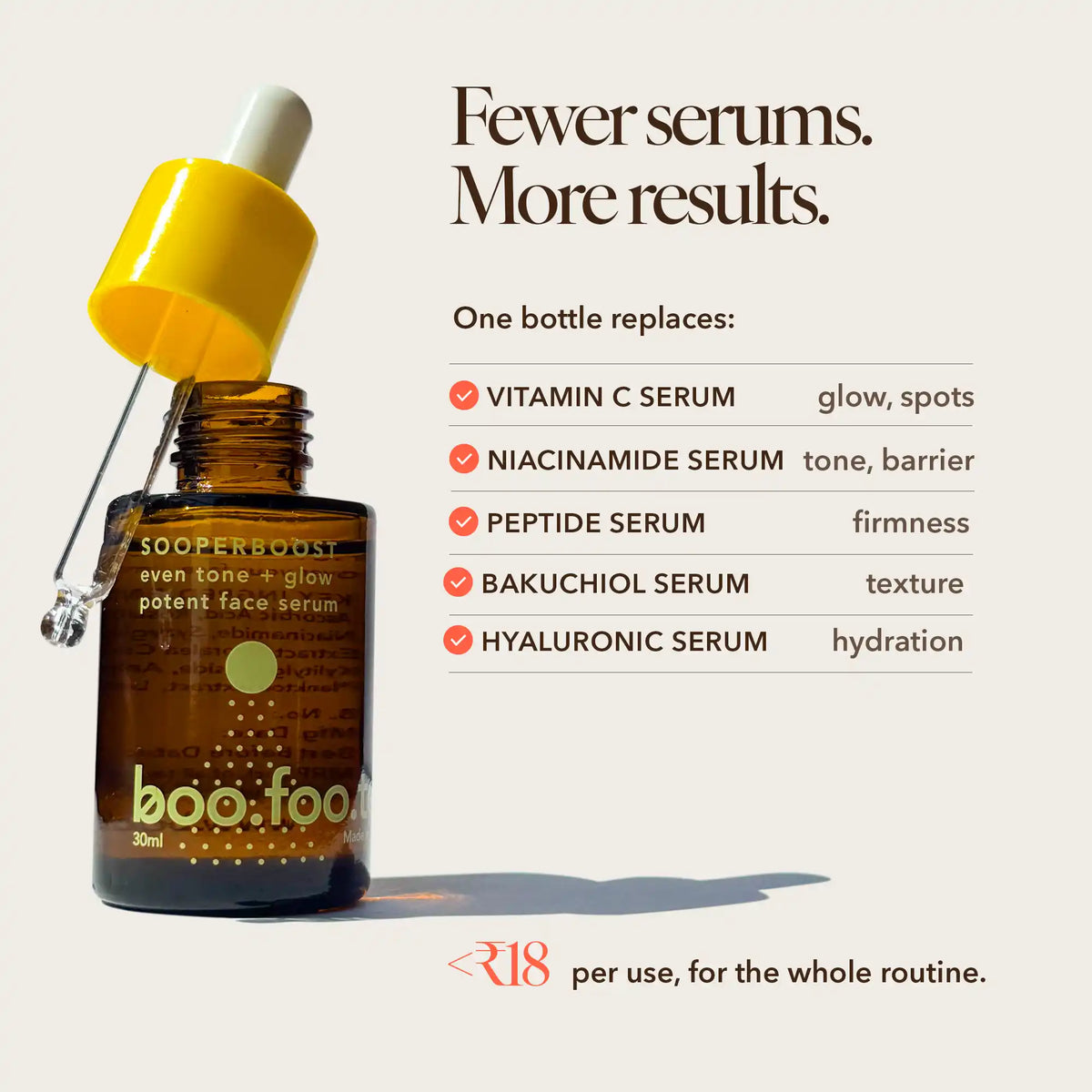
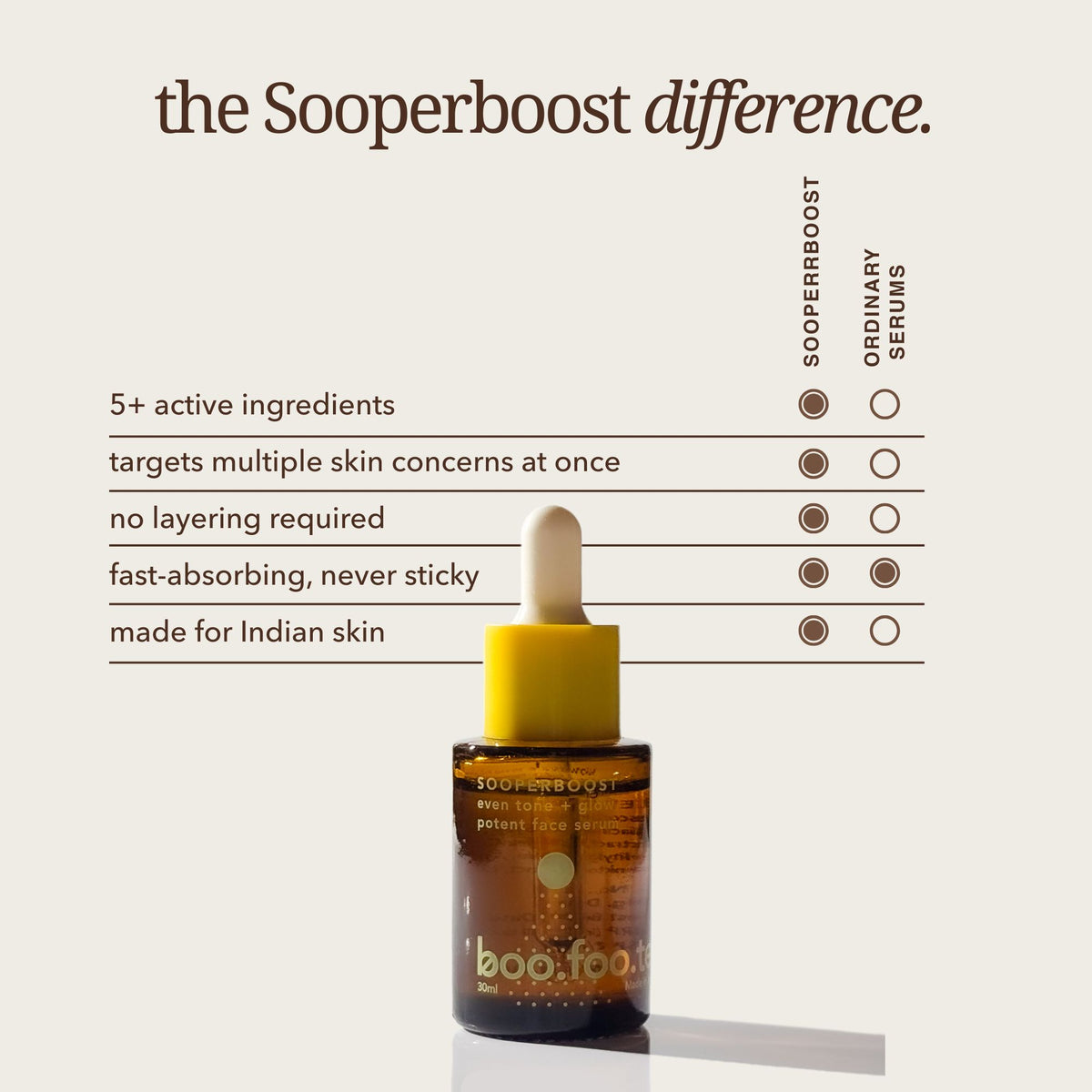
I'm a super-potent (and super-light!) serum that clears away spots, pigmentation and dullness - to give you a more even-toned, glowy-as-heck complexion.
- Regular price
-
₹1,650 - Regular price
-
- Sale price
-
₹1,650
My Key Benefits
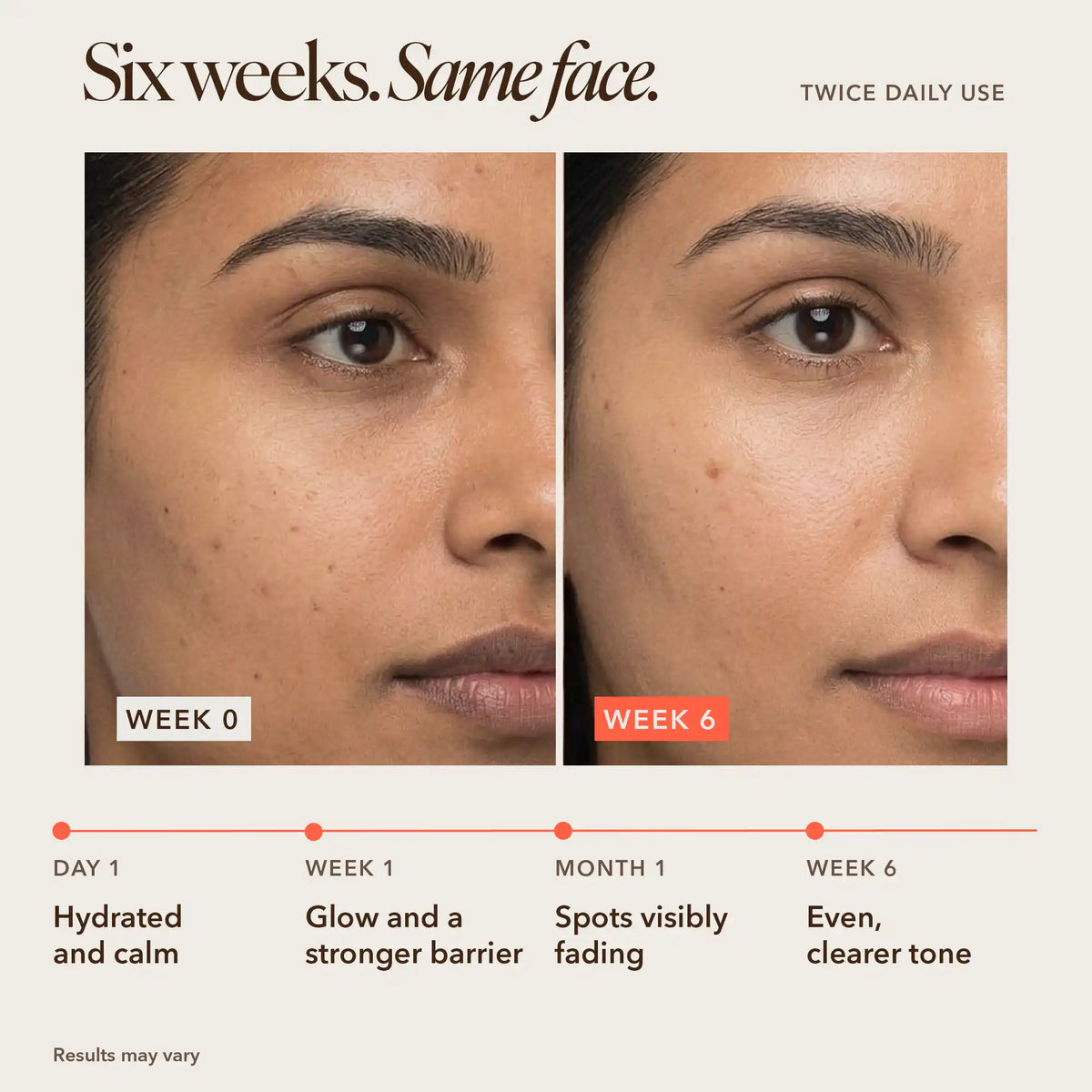
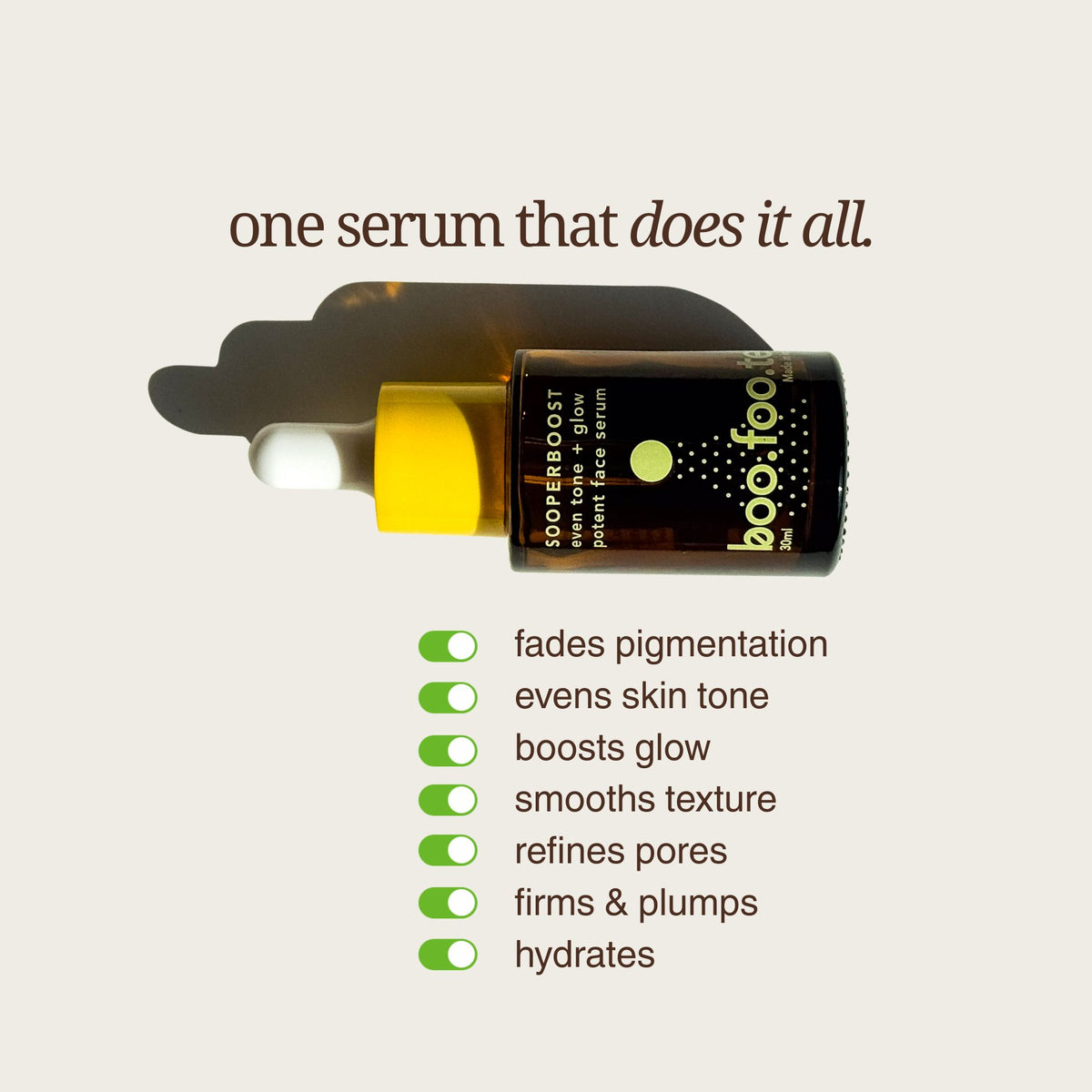
- Visibly reduces dark spots
- Fades pigmentation
- Brightens + boosts glow
- Firms and tightens
- Strengthens skin's barrier
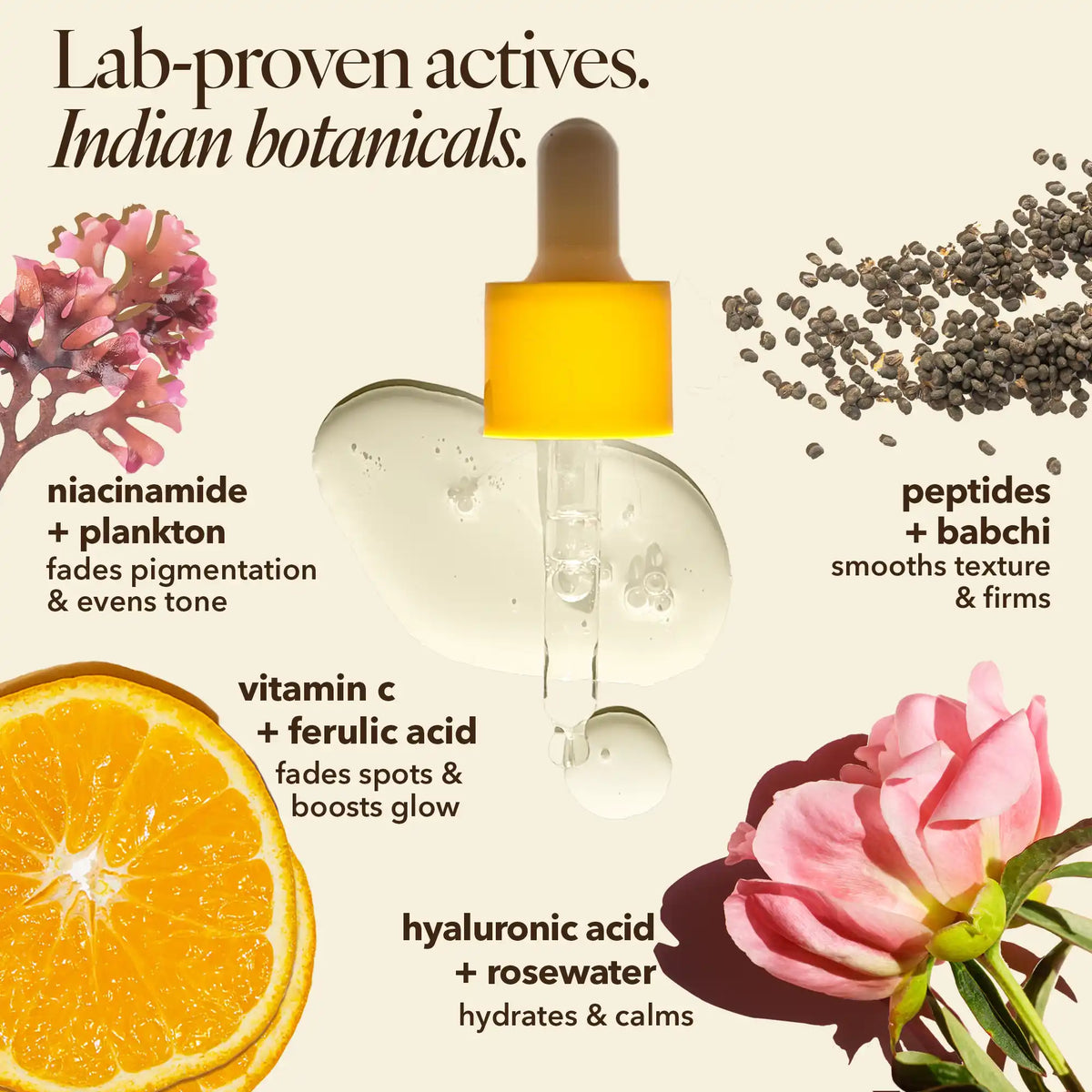
My Hero Ingredients
Vitamin C + Jamun
targets pigmentation & brightens skin
Niacinamide + Plankton extract
tackles dark spots & evens out skin tone
Peptides + Babchi
firms & plumps skin
Hyaluronic Acid + Rosewater
hydrates & soothes skin
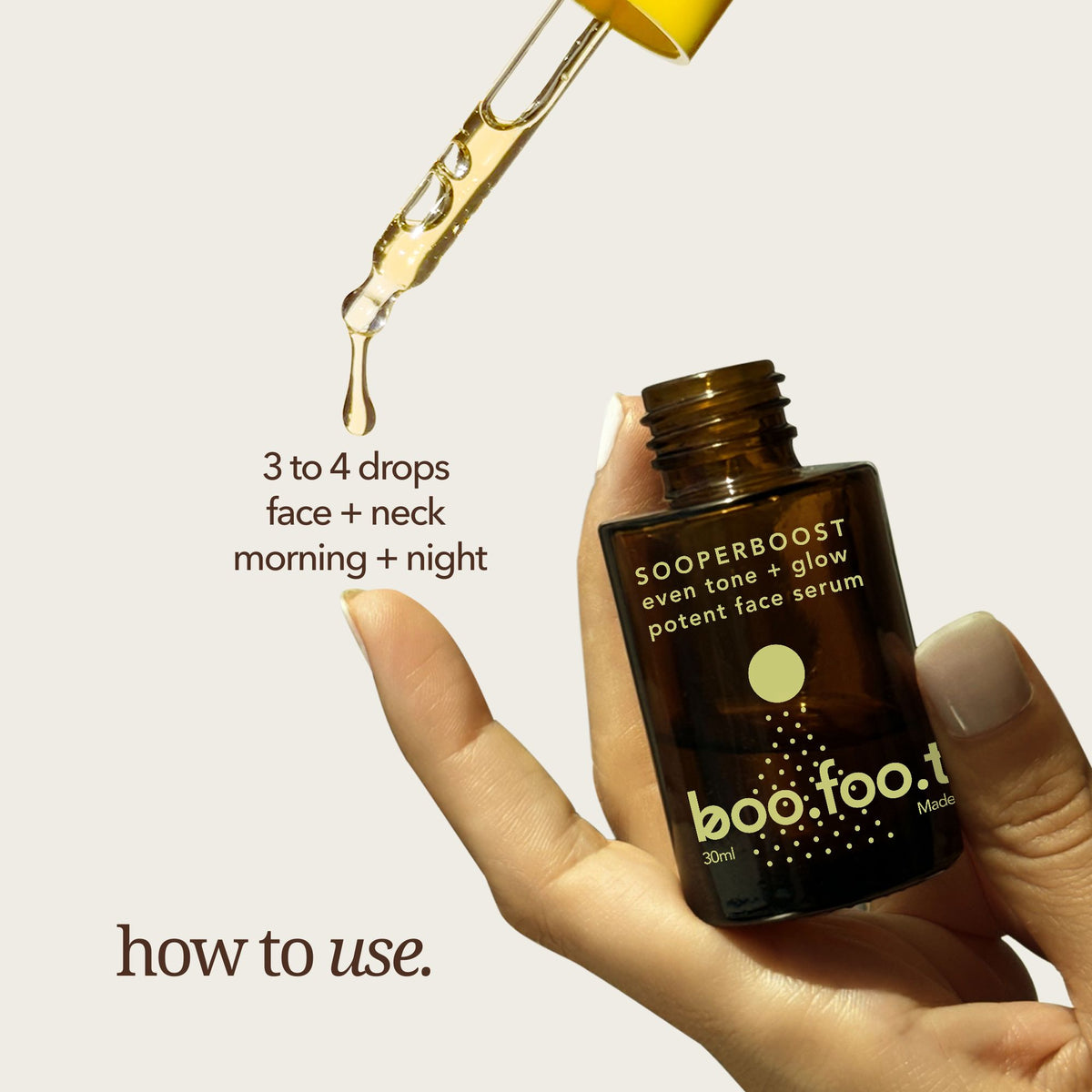
How To Use Me
Spread 4-5 drops all over your face and neck.
My brightening effects are doubled when used twice a day - morning and night.
It's always a good idea to follow me up with a sunscreen during the day.


Babchi Extract + Bakuchiol, Explained
Babchi, also known as Bakuchi, is the common name for a plant traditionally known as Psoralea corylifolia.
Its seeds have a long history of use in Ayurvedic and other traditional systems of medicine.
In modern skincare, babchi seed extract is used as a botanical ingredient because the plant contains a wide variety of naturally occurring compounds, including:
- bakuchiol
- flavonoids
- coumarins
- psoralen
- isopsoralen
- other plant phenolics
This is important because babchi extract is a mixture of plant compounds.
It is not one single active ingredient.
The exact composition can also vary depending on how the plant was grown, which part was used and how the extract was produced and purified.
That is why the name “babchi extract” tells you something very different from seeing a specific purified molecule such as bakuchiol on an ingredient list.
No.
They are closely related, but they are not interchangeable.
Babchi Extract. A botanical extract made from the babchi or bakuchi plant. It can contain numerous naturally occurring compounds.
Bakuchiol. One specific molecule originally isolated from the seeds of the babchi plant.
Think of it like this:
An orange contains Vitamin C.
But an orange extract is not the same thing as purified Vitamin C.
The same principle applies here.
Babchi is the plant.
Bakuchiol is one of the compounds found within it.
This distinction matters because most of the modern clinical research comparing bakuchiol with retinol has studied purified bakuchiol at a known concentration, not an unspecified babchi plant extract.
Babchi seeds naturally contain bakuchiol, so some babchi extracts may contain it.
But the amount can vary significantly depending on the extraction and purification process.
That means you should not assume that:
Babchi Extract = a particular percentage of bakuchiol.
Unless an ingredient supplier specifically standardises an extract to a known bakuchiol concentration, the amount cannot be determined simply from the ingredient name.
This is also why claims made about a clinical study using purified bakuchiol cannot automatically be transferred to every cosmetic product containing babchi extract.
Good skincare formulation is about knowing what an ingredient actually is — not borrowing the reputation of a related one.
Babchi has been investigated for several biological properties, including antioxidant, anti inflammatory and antimicrobial activity.
Its complex botanical composition means that several different plant compounds may contribute to these effects.
For cosmetic skincare, babchi extract is best thought of as a supporting botanical ingredient rather than a single miracle active.
It can be useful in formulas designed around concerns such as:
- uneven skin tone
- visible pigmentation
- dullness
- skin texture
- visible signs of ageing
But the evidence for the whole botanical extract is not as extensive as the evidence for established skincare ingredients such as retinoids, Vitamin C or niacinamide.
That is why Boofootel uses babchi extract alongside complementary actives rather than expecting one botanical to do everything.
This is where skincare marketing often becomes confusing.
You may hear both babchi extract and bakuchiol described as “natural retinol alternatives.”
The strongest evidence behind that comparison actually relates to bakuchiol.
In a 12 week randomised, double blind clinical study, 0.5% bakuchiol used twice daily was compared with 0.5% retinol used once daily.
Both groups showed improvements in wrinkle surface area and pigmentation, while the retinol group experienced more scaling and stinging.
That makes bakuchiol an interesting ingredient for people interested in the visible signs of photoageing.
But it does not mean that every babchi extract performs exactly like purified bakuchiol.
And neither ingredient is chemically a retinoid.
So the accurate way to think about them is:
Retinol is a vitamin A derivative with decades of extensive research.
Bakuchiol is a plant derived molecule with promising retinol like effects but a different chemical structure and mechanism.
Babchi extract is the broader botanical extract from the plant that contains many different compounds, potentially including bakuchiol.
Related? Yes.
Identical? No.
Babchi has a long history in traditional skin preparations, while modern research has investigated several of its individual compounds for effects related to pigmentation.
The strongest modern clinical evidence again belongs to purified bakuchiol, which has shown improvements in hyperpigmentation in human studies.
Babchi extract itself contains a much more complex mixture of botanical compounds, so it should not be assumed to perform identically.
For pigmentation prone skin, it therefore makes sense to use babchi extract as part of a multi active formula alongside better established pigment targeting ingredients.
For example:
Vitamin C can help reduce excess pigment formation and provide antioxidant support.
Niacinamide can help reduce melanin transfer and support a more even skin tone.
Babchi extract adds complementary botanical antioxidant support.
This approach targets uneven tone from more than one direction rather than asking one ingredient to do every job.
Babchi has something unusual in modern skincare: it has both a long history in Indian traditional use and renewed interest in contemporary cosmetic science.
But tradition alone does not prove that an ingredient works.
What makes babchi scientifically interesting is that researchers have identified a large number of biologically active compounds within the plant, including bakuchiol.
For Indian and melanin rich skin, the broader formulation matters particularly because concerns frequently overlap.
You may be dealing with:
- post acne marks
- uneven pigmentation
- dullness
- texture changes
- early fine lines
- loss of firmness
Trying to attack every concern with increasingly aggressive actives can sometimes create irritation, which is particularly unhelpful in skin prone to post inflammatory hyperpigmentation.
A thoughtfully formulated botanical such as babchi extract can therefore sit alongside ingredients such as Vitamin C, niacinamide, peptides and hyaluronic acid in a routine designed to address several concerns without relying entirely on aggressive exfoliation.
This requires an important distinction.
The babchi plant naturally contains compounds called furanocoumarins, including psoralen and isopsoralen.
Psoralens can react with ultraviolet light and cause photosensitivity.
This is why traditional babchi oils, homemade preparations and cosmetic grade ingredients should not automatically be treated as the same thing.
Purified bakuchiol is also different from crude babchi oil.
How a cosmetic babchi extract behaves depends on how it has been produced, purified and standardised.
So do not use raw babchi oil or homemade babchi preparations simply because the plant is “natural”.
With a finished cosmetic product, follow the directions of the formula.
And regardless of which brightening or ageing focused ingredients you use, broad spectrum sunscreen remains an important part of protecting skin from pigmentation and photoageing.
Babchi extract makes most sense as a supporting ingredient within a multi active formula.
Babchi Extract + Vitamin C. A useful combination for uneven tone and visible signs of ageing. Vitamin C provides strong antioxidant support and helps address excess pigmentation.
Babchi Extract + Niacinamide. Niacinamide supports the skin barrier and helps improve uneven tone while babchi contributes complementary botanical compounds.
Babchi Extract + Peptides. A particularly relevant combination for skin concerned with fine lines, firmness and texture. Peptides support visible skin structure through a different pathway.
Babchi Extract + Hyaluronic Acid. Hyaluronic acid provides lightweight hydration and plumping while the other actives address tone and visible ageing.
Babchi Extract + Ferulic Acid. Ferulic acid is an antioxidant that complements an antioxidant focused skincare formula.
Babchi Extract + Retinoids. There is no universal rule that says a cosmetic babchi extract and a retinoid can never exist in the same routine.
However, the complete formulations and your own skin tolerance matter.
If you already use a prescription or strong retinoid, introduce additional active products thoughtfully rather than assuming every “natural” ingredient is automatically irritation free.
There is no universal concentration or usage rule for babchi extract because botanical extracts can differ considerably from one another.
Use it according to the instructions of the finished skincare formula, rather than buying raw babchi oil or trying to create a DIY treatment.
A well formulated serum can combine babchi extract with other ingredients that have stronger evidence for specific concerns such as pigmentation, hydration and visible ageing.
And consistency matters.
Botanical skincare ingredients do not create overnight changes in pigmentation, texture or fine lines.
If your goal is more even looking skin, daily sun protection is just as important as the treatment products you apply underneath it.
FAQs about Babchi Extract
No.
Babchi extract is made from the babchi plant and contains a mixture of naturally occurring compounds.
Bakuchiol is one specific molecule found within the plant.
The two names should not be used interchangeably.
Yes.
Babchi and Bakuchi are commonly used names for the same traditional plant, Psoralea corylifolia.
You may also see variations of the name in Ayurvedic and botanical literature.
No.
Babchi extract is not retinol and it is not a retinoid.
The phrase “natural retinol alternative” more accurately refers to bakuchiol, a purified compound found in the babchi plant that has been investigated for retinol like effects.
Babchi extract itself contains many different botanical compounds.
Not necessarily.
Retinoids have a much larger body of evidence for photoageing, wrinkles and pigmentation.
Bakuchiol has promising research and may be better tolerated by some people, but the clinical evidence base is much smaller.
They should not be treated as identical ingredients.
Babchi extract may provide useful botanical support in formulas designed for uneven tone.
However, the strongest clinical evidence for pigmentation belongs to purified bakuchiol rather than generic babchi extract.
For stubborn dark spots, look for a complete formula containing established pigmentation actives such as Vitamin C and niacinamide.
Babchi contains compounds associated with antioxidant and skin supporting activity.
Purified bakuchiol has demonstrated improvements in wrinkle appearance in human studies.
The same results cannot automatically be assumed for every babchi extract because botanical extracts vary in composition.
Yes, in a properly formulated skincare product.
They work differently and can complement one another in formulas focused on pigmentation, antioxidant support and visible signs of ageing.
Yes.
Niacinamide supports barrier function and more even looking skin while babchi extract provides complementary botanical support.
There is no established reason these two ingredients need to be separated.
Babchi extract is not generally considered a classic purging ingredient in the way retinoids or exfoliating acids can be.
If a product causes persistent redness, burning, itching or breakouts, do not assume the reaction means it is “working”.
Stop or reduce use and assess the complete formula.
That depends on the extract and the complete formulation.
Botanical does not automatically mean gentle.
Babchi plants naturally contain biologically active compounds, including photosensitising psoralens.
Sensitive skin should patch test any new active formula and avoid raw babchi oils or homemade preparations.
Follow the directions of the finished cosmetic product.
Raw babchi preparations should not be assumed to be daytime safe because the plant naturally contains photosensitising compounds.
Always use broad spectrum sunscreen during the day, especially when pigmentation or visible photoageing is a concern.
There is not enough high quality human evidence to make a blanket claim that babchi extract is safe during pregnancy.
Botanical extracts can also differ substantially in composition.
If you are pregnant or breastfeeding, check the complete product with your doctor rather than assuming that an ingredient is safe simply because it is plant derived.


