Inside This Guide:
|
Why Indian skin needs its own routine (not Korean, not Western) |
|
The 6 ingredients that actually work (and 4 to avoid) |
|
Your complete morning + night routine |
|
Top mistakes that worsen pigmentation |
Scrolling through Instagram or YouTube, it's tempting to copy the latest viral Korean skincare routine or follow whatever's trending globally. But here's the truth: our skin is not theirs.
Indian skin is unique and it reacts differently, loses brightness, gets pigmentation, and struggles with texture in ways that Western or Korean skin guides don't always address. Korean routines are designed for skin that's often lighter, less pigmented, and living in cooler, less polluted environments. Western routines usually target dry climates and may focus on hydration-heavy creams that feel heavy or break out Indian skin in heat and humidity.
That's why Indian skin needs a routine built specifically for its environment and biology. The one that balances pigmentation, uneven tone, texture, oiliness, and pollution defense.
This guide breaks down exactly how Indian skin is different, what really works, what doesn't, and how to build a customized routine that delivers visible results.

Why Indian Skin is Different (And Why It Needs Its Own Routine)
When dermatologists talk about Indian skin, they're often referring to Fitzpatrick Skin Types III to V, skin that produces more melanin. That's what gives the rich color and warmth we love, but it also means that any skin stress shows up faster as pigmentation, dark spots, and uneven tone.
Unlike Korean skin routines, which often assume fair, less pigmented skin with dewy hydration goals, Indian skin routines must prioritize even tone, glow without irritation, and texture improvement.
What Makes Indian Skin Unique
Higher melanin content: Greater tendency toward pigmentation, dark spots, and patchiness.
More reactive: Can easily get irritation, bumps, and post-inflammatory hyperpigmentation (PIH) from aggressive actives.
Oily to combination is common: But dehydration can still be present underneath oiliness.
Heat and humidity matter: Sweating and pollution can clog pores without proper cleansing.
Just following a "Western" or "Korean" routine designed for different climates and skin physiology can actually worsen pigmentation or sensitivity. That's why Indian skin needs a routine built for its environment and biology and not borrowed formulas.

Top Skin Concerns for Indian Skin
Indian skin is beautiful, resilient, and complex, but it also comes with unique challenges. These issues aren't just cosmetic; they're a combination of biological tendencies, environmental stressors, and lifestyle factors.
Pigmentation & Dark Spots
Dark spots are one of the most common concerns for Indian skin. They appear from sun exposure, acne marks, hormonal changes, or irritation. Once they form, they can linger for months if not addressed with targeted ingredients like Vitamin C, Niacinamide, or mild acids.
Uneven Skin Tone
Patchiness and uneven tone are incredibly common. Even with moisturizers or basic routines, Indian skin can show areas that are darker or duller, often due to sun, pollution, or post-inflammatory hyperpigmentation.
Dull Skin
Pollution, stress, and dehydration leave the skin looking tired and lackluster. A lightweight brightening serum or antioxidant-rich routine can restore glow without heaviness.
Post-Inflammatory Hyperpigmentation (PIH)
After acne or irritation, Indian skin develops dark marks that take months to fade. Using harsh scrubs or strong treatments can actually make them worse, so gentle, consistent care is key.
Combination Skin: Oily T-Zone + Dry Cheeks
A very common pattern among Indian skin types is oiliness in the center of the face with dryness on the cheeks and jawline. This makes it tricky to pick products, it’s too heavy, and you risk breakouts; too light, and dry areas get neglected.
Bumpy Texture & Tiny Bumps
Closed comedones, small bumps on the face, elbows, or knees, and rough texture are common. These can be caused by dead skin buildup, pollution, or uneven exfoliation. Gentle acids like glycolic or lactic acid can smooth skin without over-stripping it.
Premature Aging from Sun & Pollution
Indian skin often faces a double challenge: strong sun exposure and environmental pollution. Both can accelerate fine lines, pigmentation, and loss of elasticity, even in younger skin. Antioxidants, peptides, and sun protection are essential.
Why This Matters for Your Routine: These concerns aren't random and they're the result of how Indian skin interacts with sunlight, heat, humidity, pollution, and biology. That means your skincare routine should be targeted, protective, and tailored rather than copied from viral trends abroad.

The 6 Ingredients Indian Skin Actually Needs
Not all ingredients work the same on Indian skin. Some target pigmentation, dark spots, uneven skin tone, bumpy texture, and pollution-related damage, while others focus on hydration and barrier health. Here's a breakdown of the key actives that help Indian skin thrive:
Vitamin C: Brightening & Antioxidant Shield
Vitamin C (ascorbic acid) is a powerhouse for Indian skin:
-
Inhibits excess melanin production, reducing pigmentation and dark spots
-
Neutralizes free radicals caused by pollution and UV exposure
-
Supports collagen synthesis and skin elasticity
-
Improves overall brightness and evenness of tone
Pro tip: Use a stable form, like 3-O-Ethyl Ascorbic Acid, for gentler, pollution-resistant results without irritation.
Niacinamide: Barrier Strength & Tone Corrector
Niacinamide (Vitamin B3) is ideal for Indian skin prone to oiliness, uneven tone, and sensitivity:
-
Strengthens the skin barrier
-
Reduces inflammation and redness
-
Balances oil production
-
Helps fade hyperpigmentation and post-acne marks
This ingredient works beautifully in humid climates where oil imbalance and dehydration coexist.
Bakuchiol: Retinol Alternative for Sensitive Skin
Bakuchiol is a plant-derived alternative to retinol that provides:
-
Anti-aging benefits
-
Antioxidant protection
-
Improved texture and firmness
It's perfect for pigmentation-prone Indian skin that's sensitive to strong actives, offering results similar to retinol without irritation or barrier disruption.
Peptides: Skin Support & Repair
Peptides stimulate collagen and strengthen skin structure. They:
-
Improve texture and elasticity
-
Support barrier health
-
Complement antioxidants and hydration for smoother, more resilient skin
Hyaluronic Acid: Hydration for Every Skin Type
Hyaluronic acid draws moisture into the skin, helping to:
-
Plump and hydrate without heaviness
-
Maintain barrier health, which reduces dark spots and premature lines
-
Keep skin soft and smooth even in humid or dehydrating climates
Gentle Acids (Glycolic & Lactic): Chemical Exfoliation for Smooth, Even Skin
Glycolic acid is an alpha-hydroxy acid (AHA) that:
-
Exfoliates bumpy texture, closed comedones, and dead skin buildup
-
Fades pigmentation, dark spots, and post-acne marks
-
Boosts the effectiveness of other actives by helping them penetrate better
Pro tip: Stick to 5–10% concentrations 1–2 times per week to avoid irritation on sensitive Indian skin.
Lactic acid is a mild AHA, perfect for sensitive Indian skin:
-
Exfoliates gently without triggering post-inflammatory hyperpigmentation
-
Improves uneven skin tone and dullness
-
Adds hydration while smoothing skin, making it ideal for dry patches or combination skin
Why it works: Lactic acid helps fade dark spots and brightens skin gradually, while maintaining barrier integrity.

What to Avoid: 4 Ingredients That Don't Work Well for Indian Skin
Some ingredients are lifesavers for Indian skin, but others can cause irritation, worsen pigmentation, or trigger breakouts, especially when used incorrectly. Here's what to watch out for:
Harsh Physical Scrubs
Scrubs with large, rough beads damage the skin barrier and worsen dark spots and pigmentation. They trigger redness, irritation, and micro-tears, especially on delicate areas like cheeks or around the eyes.
Lemon, Baking Soda, or DIY Bleaching Remedies
Strong acids in DIY remedies can darken spots and cause sensitivity. Indian skin is prone to post-inflammatory hyperpigmentation, so harsh home treatments often do more harm than good.
High-Strength Retinoids Without Guidance
Retinoids are powerful, but using them too strong or too often can irritate Indian skin and worsen pigmentation. Start with gentle alternatives like bakuchiol before moving to stronger retinoids.
Heavy, Comedogenic Oils or Creams
Thick creams or heavy oils clog pores, especially for combination or oily Indian skin, leading to bumps, breakouts, and dullness. Choose lightweight, non-comedogenic hydration that balances the skin without weighing it down.
Takeaway: Indian skin thrives on gentle, targeted care. Focus on ingredients that brighten, smooth, and protect; avoid harsh treatments, exfoliate wisely, and hydrate smartly.
Building the Perfect Routine for Indian Skin
Indian skin needs consistency, protection, hydration, strengthening, and pollution defense. Here's how to do it, for today, season changes, and real climates.

Morning Routine: Protection Against Sun, Humidity & Pollution
Your morning routine is your first line of defense. Indian skin faces strong UV rays, heat, dust, and pollution daily, so the goal is lightweight hydration, antioxidant protection, and broad-spectrum sunscreen. Heavy creams will just melt off in Mumbai's sun or on a rickshaw ride, so keep it light and effective.
-
Gentle Cleanser: Remove Overnight Buildup
Even if you washed your face at night, your skin produces oil and sweat while you sleep. Use a gentle, sulfate-free cleanser that removes sebum and grime without stripping moisture. The result? A clean, smooth canvas ready for actives.
-
Brightening & Antioxidant Serum
Apply a serum containing Vitamin C and/or Niacinamide on slightly damp skin:
- Vitamin C fights pigmentation, dark spots, and pollution damage
- Niacinamide strengthens the skin barrier, balances oil, and reduces redness
-
Lightweight Moisturizer & Broad-Spectrum SPF
Lock in hydration with a gel-based, non-comedogenic moisturizer. Then, apply a broad-spectrum sunscreen SPF 30–50+ with PA+++.
Pro-Tip: Even if you're indoors or commuting, Indian sun and pollution can trigger pigmentation, so this step is non-negotiable.

Night Routine: Repair, Hydrate & Treat
The night is when your skin repairs and regenerates, so focus on cleaning, targeted treatments, and barrier support.
-
Double Cleanse (If Wearing SPF or Makeup)
Step 1: Oil-based cleanser or micellar water to remove sunscreen/pollution
Step 2: Gentle cleanser to remove remaining sweat and debris
-
Treatment Step: Rotate or Alternate
- Niacinamide for barrier support, oil balance, and pigmentation
- Bakuchiol + Peptides for gentle anti-aging, texture improvement, and firmness
-
Hydrating Moisturizer
Lock in hydration and repair the skin barrier, especially important for Indian skin exposed to pollution and seasonal stressors.
-
Weekly Gentle Exfoliation
Use glycolic or lactic acid (AHA/BHA) 1–2x per week. Helps smooth bumpy skin, fade pigmentation, and improve serum absorption.
Avoid over-exfoliating, Indian skin can be sensitive to overuse of acids.

Seasonal & Pollution Adjustments
Summer / Humid Seasons
- Use lightweight, gel-based moisturizers
- Sunscreen becomes even more critical
- Focus on antioxidants and oil balance
Winter / Dry Seasons
- Switch to richer moisturizers for barrier support
- Keep hydration consistent
- Continue antioxidant protection for pollution-exposed skin
High Pollution Days
- Double down on Vitamin C + Niacinamide to protect from free radicals
- Avoid harsh exfoliation
- Ensure barrier repair with hydration
Why Sooperboost Face Serum Works for Indian Skin
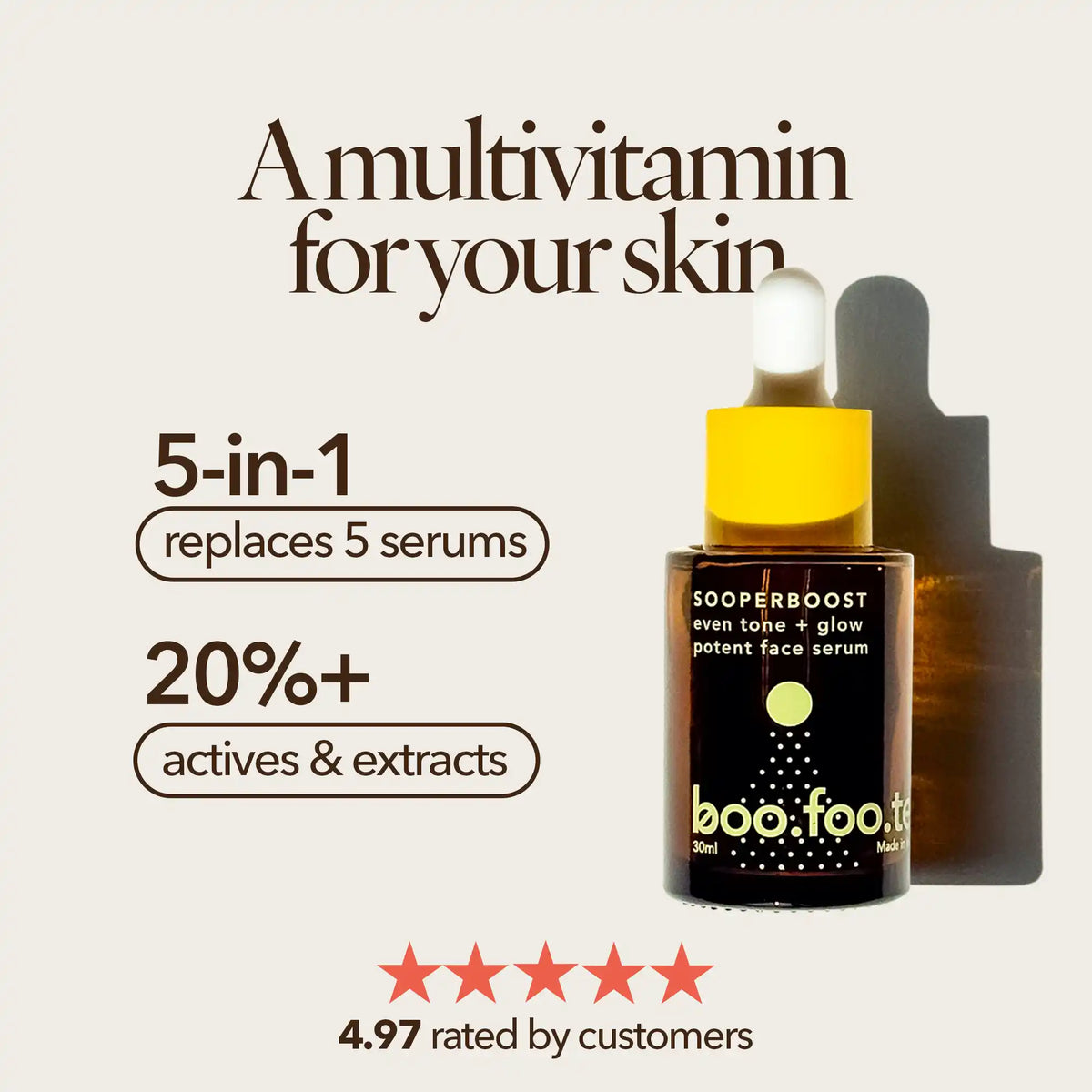
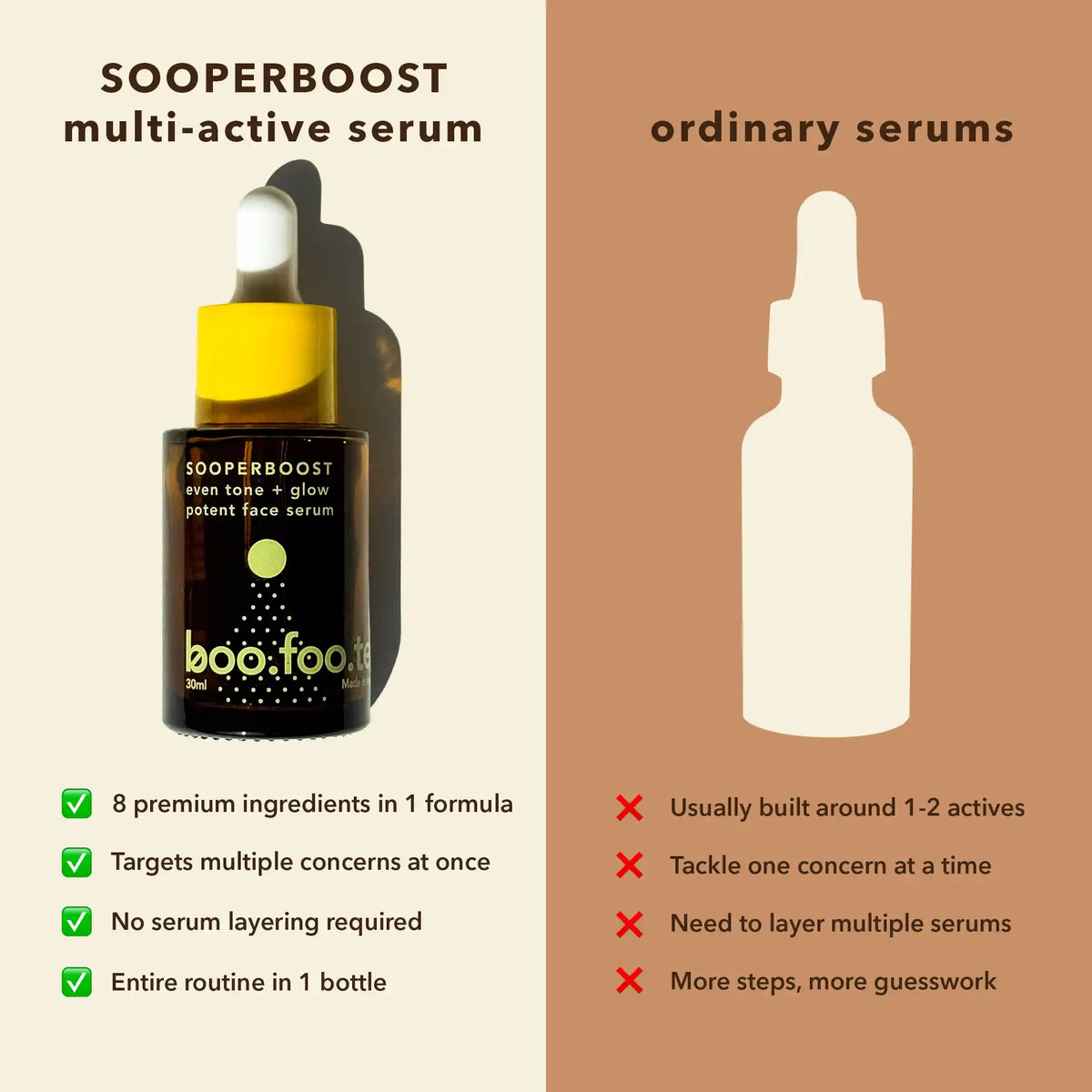
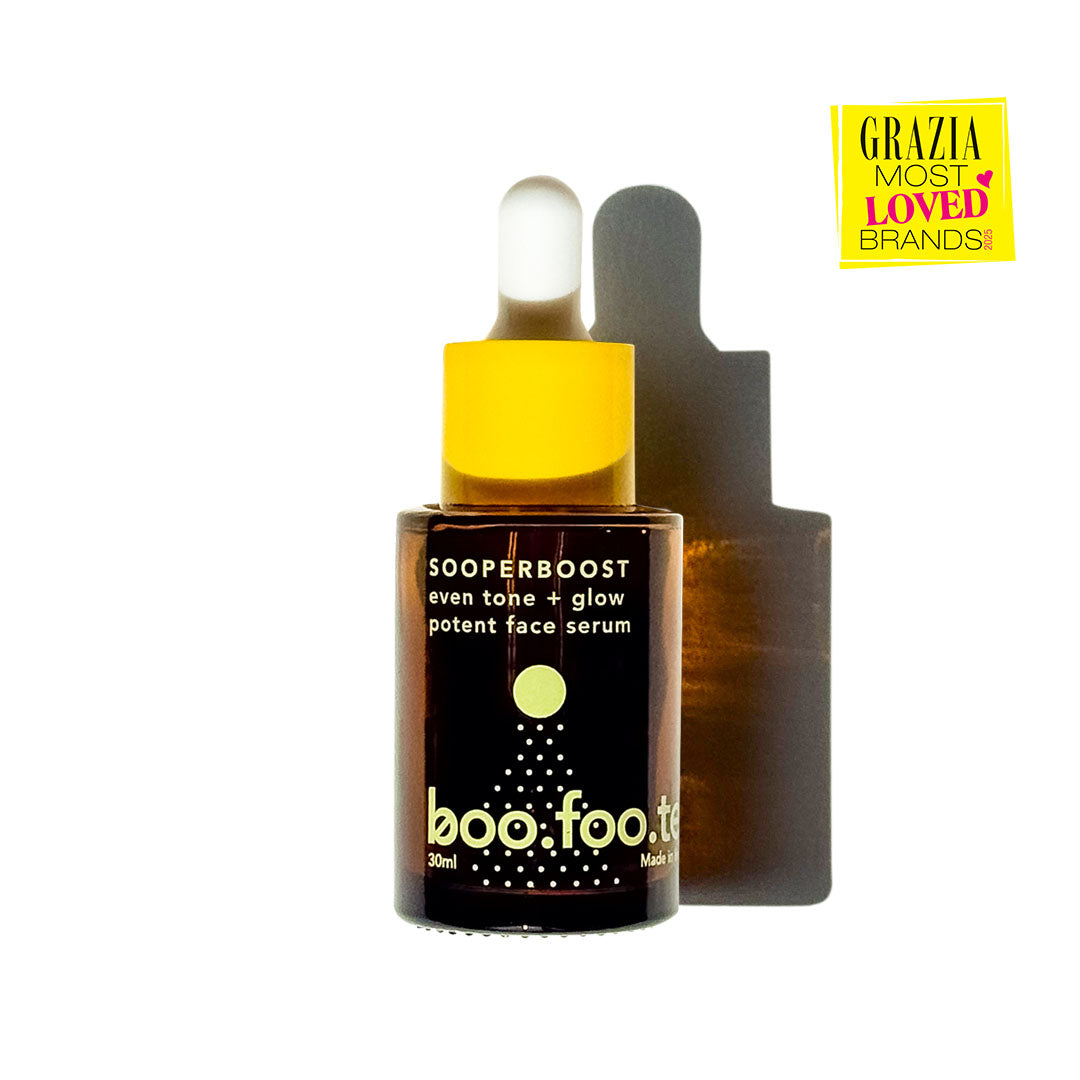
If you want one product that covers multiple steps, Boofootel's Sooperboost Face Serum is designed for Indian skin:
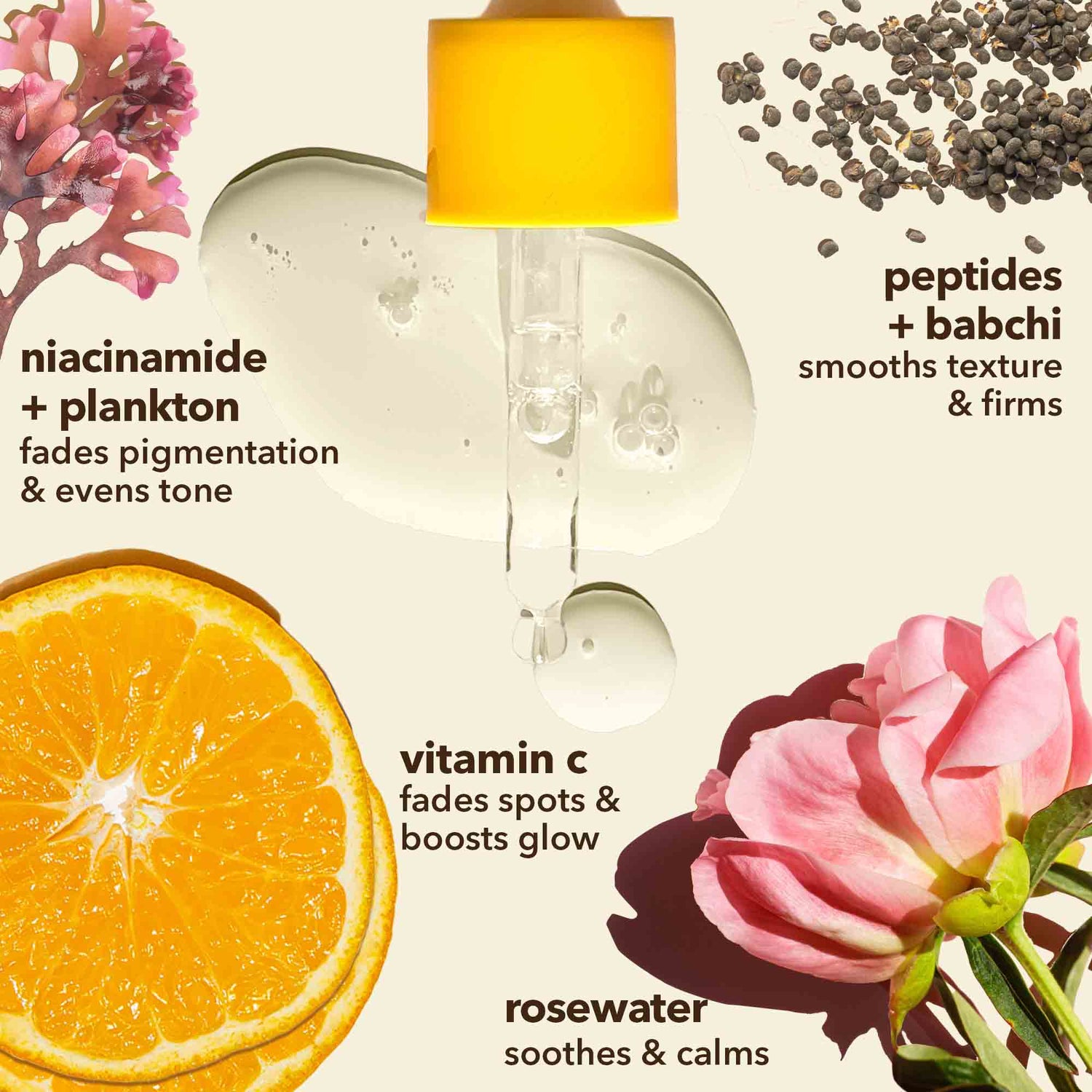
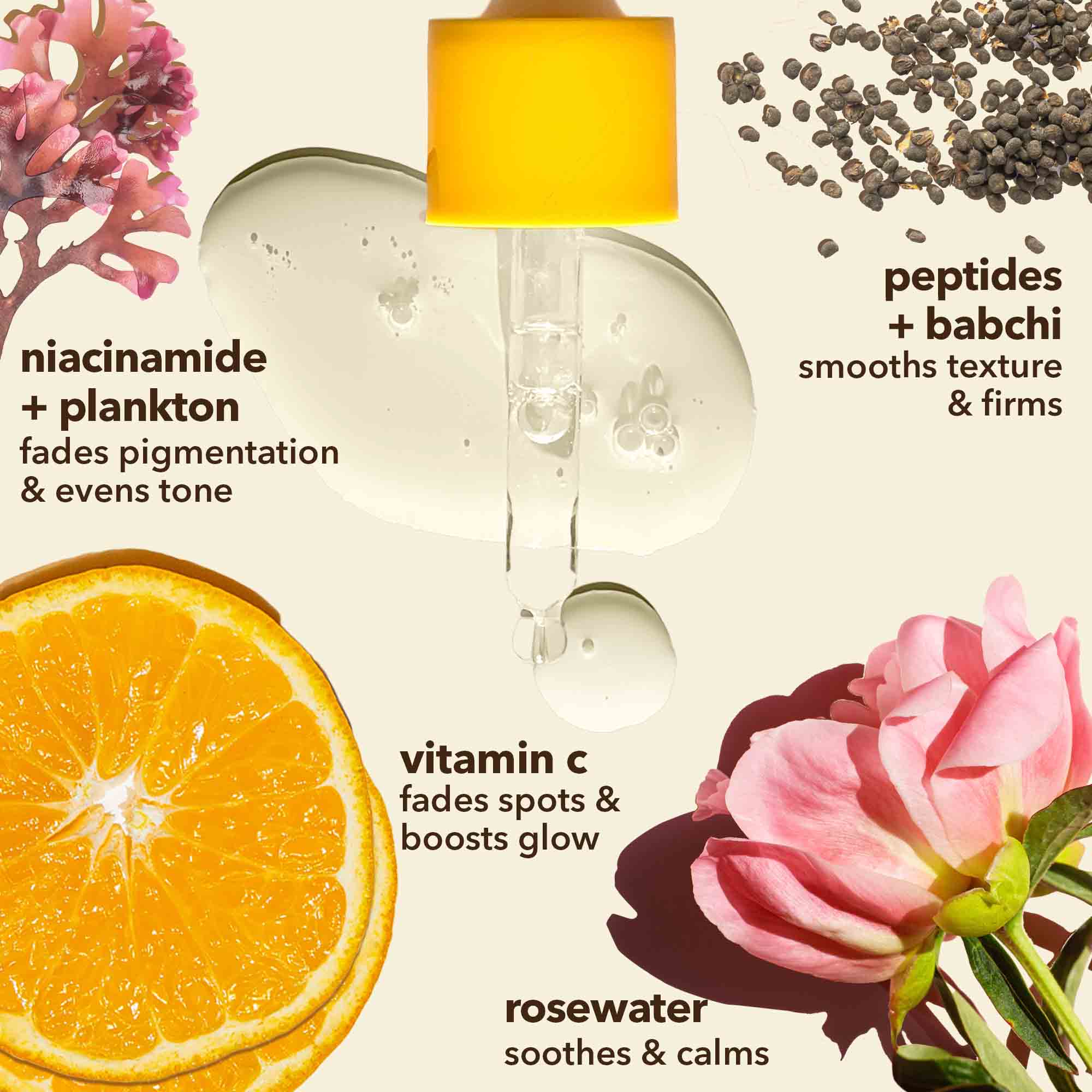
- Contains 12% Vitamin C for brightness
- Niacinamide to balance tone and oil
- Peptides to improve texture and elasticity
- Bakuchiol for gentle anti-aging
- Hyaluronic Acid for hydration
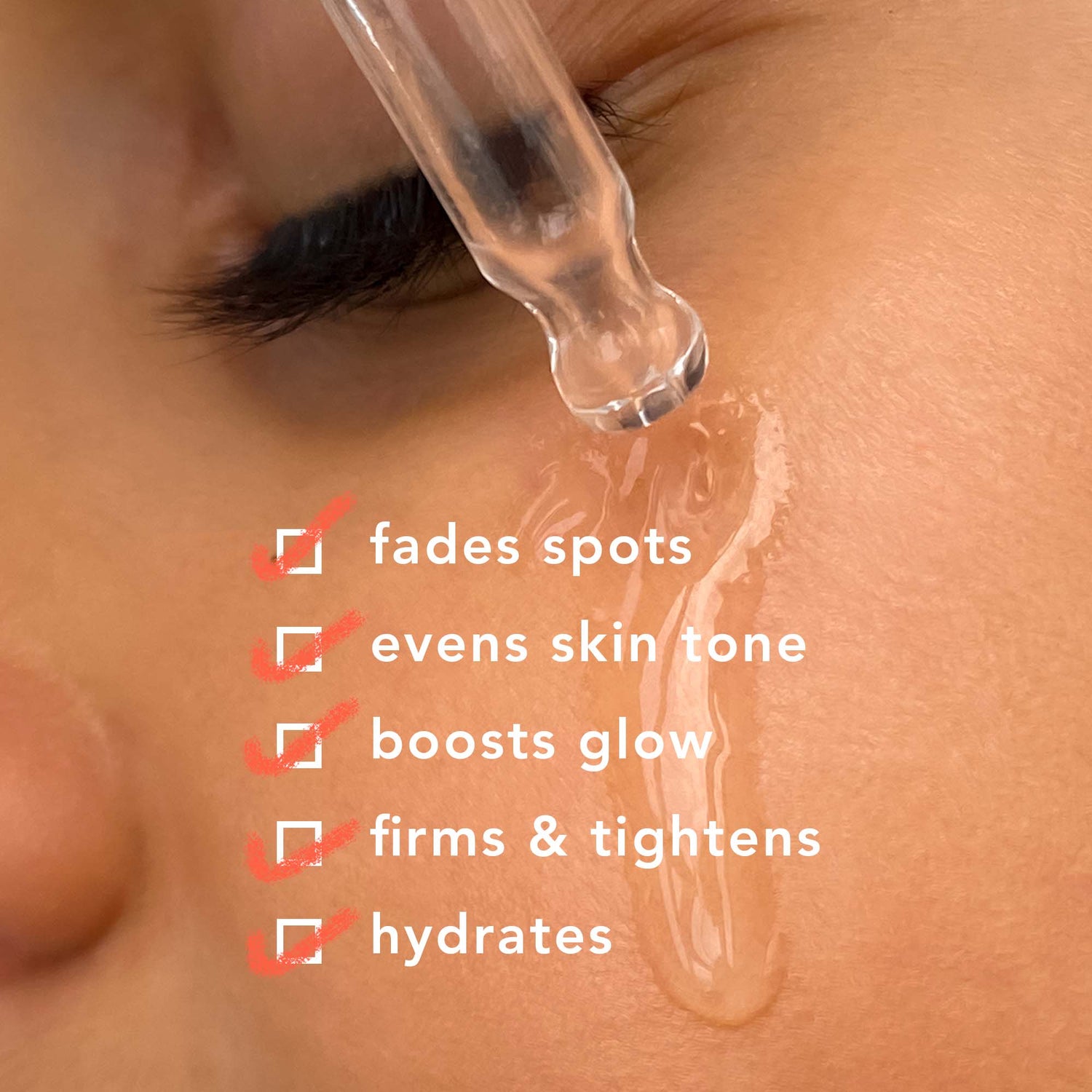
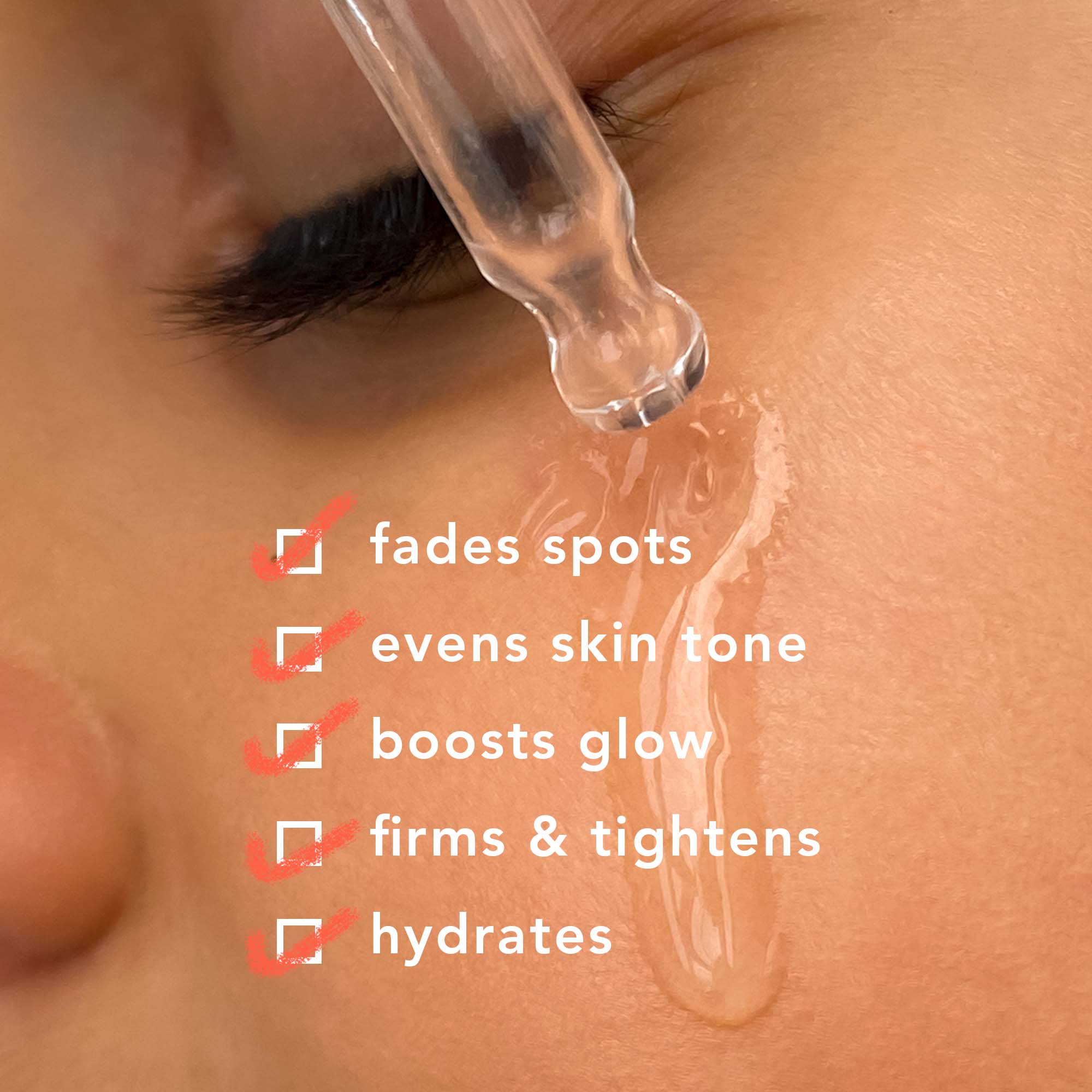
It works like an entire routine in a bottle: protection, brightening, and hydration, all in a light, fast-absorbing serum. Perfect for mornings and nights.
Top 5 Mistakes That Worsen Pigmentation (And How to Fix Them)
These common missteps can worsen pigmentation, texture, or sensitivity, but the fixes are surprisingly simple.
-
Skipping Sunscreen or Using Too Little
The mistake: Many people think sunscreen is only needed on sunny days or outdoors. Pollution and UVA/UVB rays indoors can still trigger dark spots and accelerate aging.
How to fix it:
Apply broad-spectrum SPF 30–50+ with PA+++ every morning, even indoors.
Reapply every 2–3 hours if you're outside.
Layer sunscreen over lightweight hydration to prevent melting in humidity.
-
Overloading on Heavy Creams in Humid Climates
The mistake: Using thick, greasy moisturizers to "combat dryness" can clog pores, cause bumps, and worsen oiliness.
How to fix it:
-
Switch to gel-based, lightweight moisturizers in summer or humid regions
-
Focus on hydration without heaviness
-
Reserve richer creams for winter when the barrier needs more support
-
Over-Exfoliating with Scrubs
The mistake: Using rough physical scrubs daily can thin the skin, cause irritation, and worsen pigmentation.
How to fix it:
-
Stick to 1–2 exfoliation sessions per week
-
Avoid harsh physical scrubs; opt for gentle AHAs or BHAs
-
Follow with hydration and barrier-repairing ingredients like niacinamide or hyaluronic acid
-
Ignoring Pollution Defense
The mistake: Pollution isn't just an environmental nuisance. It accelerates pigmentation, dullness, and premature aging. Many routines skip antioxidant protection.
How to fix it:
-
Include Vitamin C or other antioxidant serums in your morning routine
-
Strengthen the skin barrier with niacinamide or peptides to protect against free radicals
-
Cleanse gently at night to remove dust, smoke, and sunscreen residues
-
Following Foreign Routines Blindly
The mistake: Copying viral Korean or Western skincare routines without adapting them to Indian skin can backfire. Products designed for fairer, less pigmented skin may not address our sun, humidity, and pollution stressors, and can even trigger pigmentation or irritation.
How to fix it:
-
Customize your routine to Indian climate, skin type, and common concerns like pigmentation, bumpy texture, and combination skin
-
Prioritize lightweight hydration, antioxidant protection, and pollution defense
-
Use multi-tasking products like Sooperboost Serum that simplify routines for real-world Indian conditions
FAQs About Indian Skincare
How do I get rid of dark spots on Indian skin?
Dark spots and post-acne pigmentation are extremely common. Use Vitamin C, Niacinamide, and gentle acids like glycolic or lactic acid. Always apply sunscreen and avoid harsh scrubs or DIY bleaching remedies.
Can I use Vitamin C and Niacinamide together?
Yes! Contrary to old myths, Vitamin C and Niacinamide can be used together safely, even on Indian skin. Vitamin C brightens pigmentation, fights free radicals from UV and pollution, and supports collagen. Niacinamide strengthens the skin barrier, balances oil, and reduces redness.
Pro tip for Indian skin: Apply Vitamin C first on slightly damp skin for maximum absorption, then layer Niacinamide. This combo is perfect for tackling dark spots, uneven tone, and dullness, while keeping the skin barrier strong in humid or pollution-heavy climates.
Is Bakuchiol better than retinol for Indian skin?
Bakuchiol is not exactly "better," but often gentler for Indian skin. Retinol is highly effective for anti-aging, pigmentation, and texture, but strong formulations can irritate sensitive, pigmentation-prone Indian skin and trigger post-inflammatory dark spots if not introduced carefully. Bakuchiol provides similar anti-aging and collagen-boosting benefits, while being much gentler and less likely to irritate.
Pro tip: Start with Bakuchiol if you have sensitive skin, pigmentation concerns, or are new to retinoids. You can later introduce mild retinol slowly, but Bakuchiol works well as a safe, multi-benefit alternative, especially in routines that also include hydration, antioxidants, and sun protection.
How often should I exfoliate?
1–2 times per week with glycolic or lactic acid is enough for most Indian skin types. Avoid harsh physical scrubs, which can worsen pigmentation and irritation.
Can pollution damage Indian skin?
Yes. Pollution accelerates pigmentation, dullness, and aging. Protect with Vitamin C, Niacinamide, and barrier-supporting ingredients, and cleanse gently at night to remove pollutants.
How long does it take to see results from skincare for Indian skin?
-
Hydration and softness: a few days
-
Texture smoothing: 2–4 weeks
-
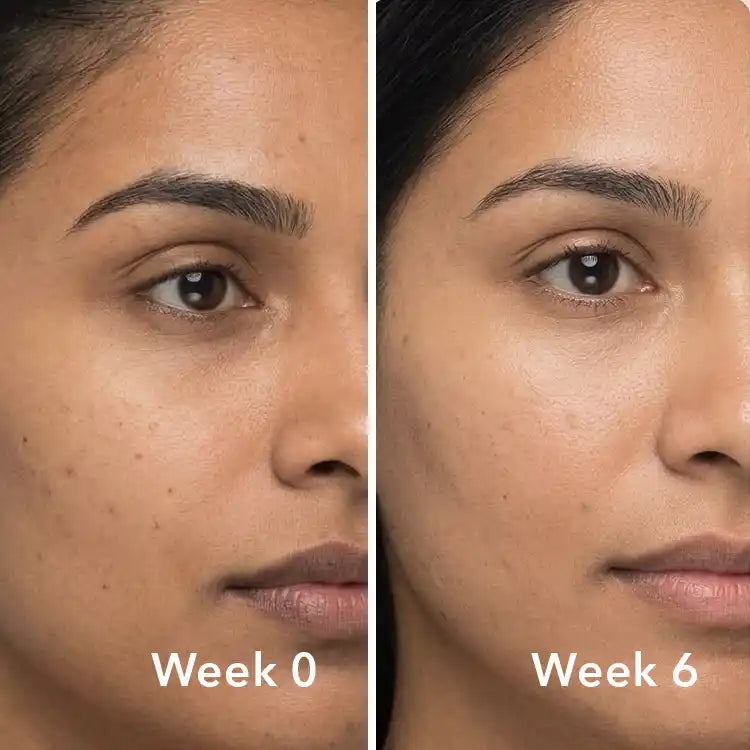
Dark spot or pigmentation improvement: 6–12 weeks
-
Consistency and daily sunscreen + antioxidants are crucial.
Final Notes
Indian skin is beautiful, resilient, and deserves a routine that honors its unique needs. Stop copying trends that weren't designed for your climate, your melanin, or your daily reality. Build a routine that protects, brightens, and strengthens and one that works for real life in India, not for viral reels filmed in Seoul.
Start simple. Stay consistent. And remember: the best skincare routine is the one you'll actually stick to.
📖 SOURCES & REFERENCES
American Academy of Dermatology Association, n.d., ‘Skin of color: Hyperpigmentation’, AAD,
https://www.aad.org/public/diseases/a-z/hyperpigmentation-skin-of-color
American Academy of Dermatology Association, n.d., ‘How to exfoliate safely’, AAD,
https://www.aad.org/public/everyday-care/skin-care-basics/care/exfoliate-safely
American Academy of Dermatology Association, n.d., ‘Retinoids: What they are and how to use them’, AAD,
https://www.aad.org/public/diseases/acne/derm-treat/retinoids
Journal of Clinical and Aesthetic Dermatology, 2019, ‘Role of niacinamide in acne, rosacea, and photoaging’, JCAD,
https://www.ncbi.nlm.nih.gov/pmc/articles/PMC2921764/
Journal of Cosmetic Dermatology, 2014, ‘The effect of niacinamide on reducing facial hyperpigmentation and increasing skin barrier function’, Wiley Online Library,
https://onlinelibrary.wiley.com/doi/10.1111/jocd.12153
Indian Journal of Dermatology, 2017, ‘Post-inflammatory hyperpigmentation: A review of treatment options’, IJD,
https://www.ncbi.nlm.nih.gov/pmc/articles/PMC5838742/
Journal of Drugs in Dermatology, 2018, ‘Bakuchiol: A retinol-like functional compound revealed by gene expression profiling’, JDD,
https://jddonline.com/articles/dermatology/S1545961618P0734X
British Journal of Dermatology, 2019, ‘Bakuchiol versus retinol: A randomized, double-blind study’, Wiley Online Library,
https://onlinelibrary.wiley.com/doi/10.1111/bjd.16918
Clinical, Cosmetic and Investigational Dermatology, 2017, ‘Topical vitamin C and the skin: Mechanisms of action and clinical applications’, Dove Medical Press,
https://www.ncbi.nlm.nih.gov/pmc/articles/PMC5605218/
Indian Journal of Dermatology, Venereology and Leprology, 2012, ‘Sunscreens and Indian skin’, IJDVL,
https://www.ncbi.nlm.nih.gov/pmc/articles/PMC3474914/
Journal of the European Academy of Dermatology and Venereology, 2016, ‘Effects of pollution on skin and proper skin care’, JEADV,
https://onlinelibrary.wiley.com/doi/10.1111/jdv.13301
Medical Disclaimer
Important Notice: This article is for informational purposes only and is not intended as medical advice. Always consult with a qualified dermatologist or healthcare provider before starting any new skincare regimen, especially if you have sensitive skin, allergies, or existing skin conditions. Individual results may vary, and what works for one person may not work for another.
This information is provided for educational purposes only and should not replace professional medical advice. Always consult with a qualified dermatologist or healthcare provider before making significant changes to your skincare routine, especially if you have pre-existing skin conditions, allergies, or are pregnant or nursing. Individual skin responses can vary significantly, and what works for one person may not be suitable for another.