


Neck Pigmentation in Indian Skin: Causes, Treatments & Ingredients That Work
Why your neck darkens, and what helps.

Got tiny dark dots, clogged-looking pores, and slightly rough, uneven texture on your legs? You’re not alone.
Often referred to as “strawberry skin”, this condition is especially common on Indian skin, yet it’s still widely misunderstood. And instead of treating it with care, we tend to go harder: rough scrubs, over-shaving, aggressive routines, and thick lotions that promise softness but never quite get you there. Your skin doesn’t need more force. It needs better formulas.
Strawberry skin isn’t harmful. But if it’s leaving your legs feeling bumpy, dull, or uneven, or if you’ve been stuck with it for years, it can absolutely be frustrating. The good news? It’s 100% treatable with the right routine. One that respects the unique biology of Indian skin.
Let’s get into it!

Strawberry skin refers to a visible dot pattern on the skin, where the hair follicles appear darker, clogged, enlarged, or more prominent — just like the seeds on a strawberry. The “dots” are more obvious after shaving, but shaving isn’t the cause. It only exposes what’s already going on beneath the surface.
Strawberry skin typically shows up as:
1. Keratosis Pilaris (KP) – dead skin buildup plugging the follicles
2. Clogged pores – a mix of oil, sebum, bacteria, and debris
3. Ingrown hair – hair curling back under the skin
Indian skin is genetically prone to all three.

Indian skin has more melanin, which is generally a great thing because it protects against UV damage and aging. But it also means:
Those “dots” on the legs? They show up darker on Indian skin, even when the follicle is only slightly clogged.
Any irritation — scrubbing, shaving, friction or even heat, can leave behind:
This is why harsh scrubs or rough loofahs are a big "No!"
Especially on the body. This means:
Especially compared to the face. Body skin on Indians tends to be:
Dryness leads to more clogging, more dead skin buildup, and more visible pores.
Many Indian women:
All of this sets the stage for strawberry skin.

This is the most common cause for Indians.
Keratin (a protein in skin) mixes with dead skin cells, forming a plug inside the hair follicle. The plug hardens, enlarges the pore, darkens, and gives you that dotted look.
Indian skin produces more keratin, making this extremely common on:
KP is not curable, but it is easily manageable with actives.
When dead skin mixes with sebum, sweat, bacteria, or pollution, the hair follicle darkens and becomes more visible.
Triggers include:
Ingrowns are common for Indians because:
When hair curls under the skin, it causes:
The cluster of these dark dots often gets mistaken for strawberry skin.
Bad shaving habits don’t cause strawberry skin, but they reveal it dramatically.
Common mistakes:
All of these irritate the pores, making them appear darker and more prominent.
This is a massive under-discussed trigger in India.
Hard water leaves behind mineral deposits on the skin, causing:
If your parents have:
You likely will too.
Indian families genetically pass down:

Strawberry skin clears up when you target three things:
This is the routine dermatologists typically recommend for Indian skin, broken down step-by-step.
Harsh cleansers damage Indian skin and increase pigmentation.
Choose a body wash that is:
✔️Sulfate-free
✔️ Low-foam
✔️ Hydrating
✔️ pH-balanced (5.5 is ideal)
✔️ Free from heavy butters or oils
Avoid:
❌ Bar soaps
❌ Coconut oil body washes
❌ Strong fragrance
❌ High-foaming formulas
A gentle cleanser keeps the skin barrier intact and prevents inflammation-driven pigmentation.
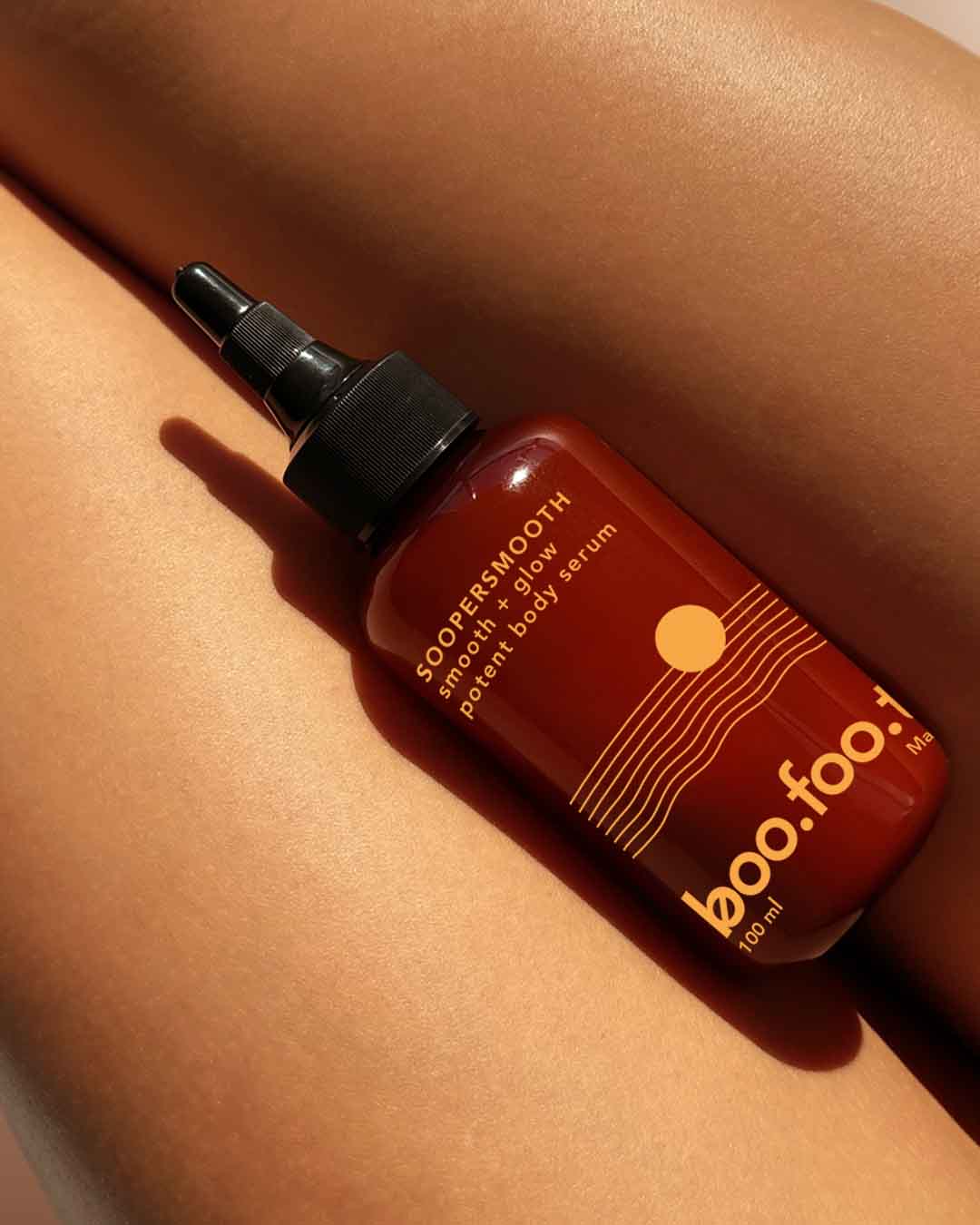
This is the treatment for strawberry skin.
Look for a body serum containing:
✔️ Glycolic Acid – dissolves dead skin
✔️ Lactic Acid – hydrates + exfoliates
✔️ Vitamin C – brightens dark dots
✔️ Niacinamide – reduces pigmentation
✔️ Hyaluronic Acid – hydration without heaviness
Why serums work better than scrubs:
Scrubs only remove surface dead skin. Chemical exfoliants dissolve buildup inside the follicle, clearing the clog from within.
Indian skin responds incredibly well to AHAs because:
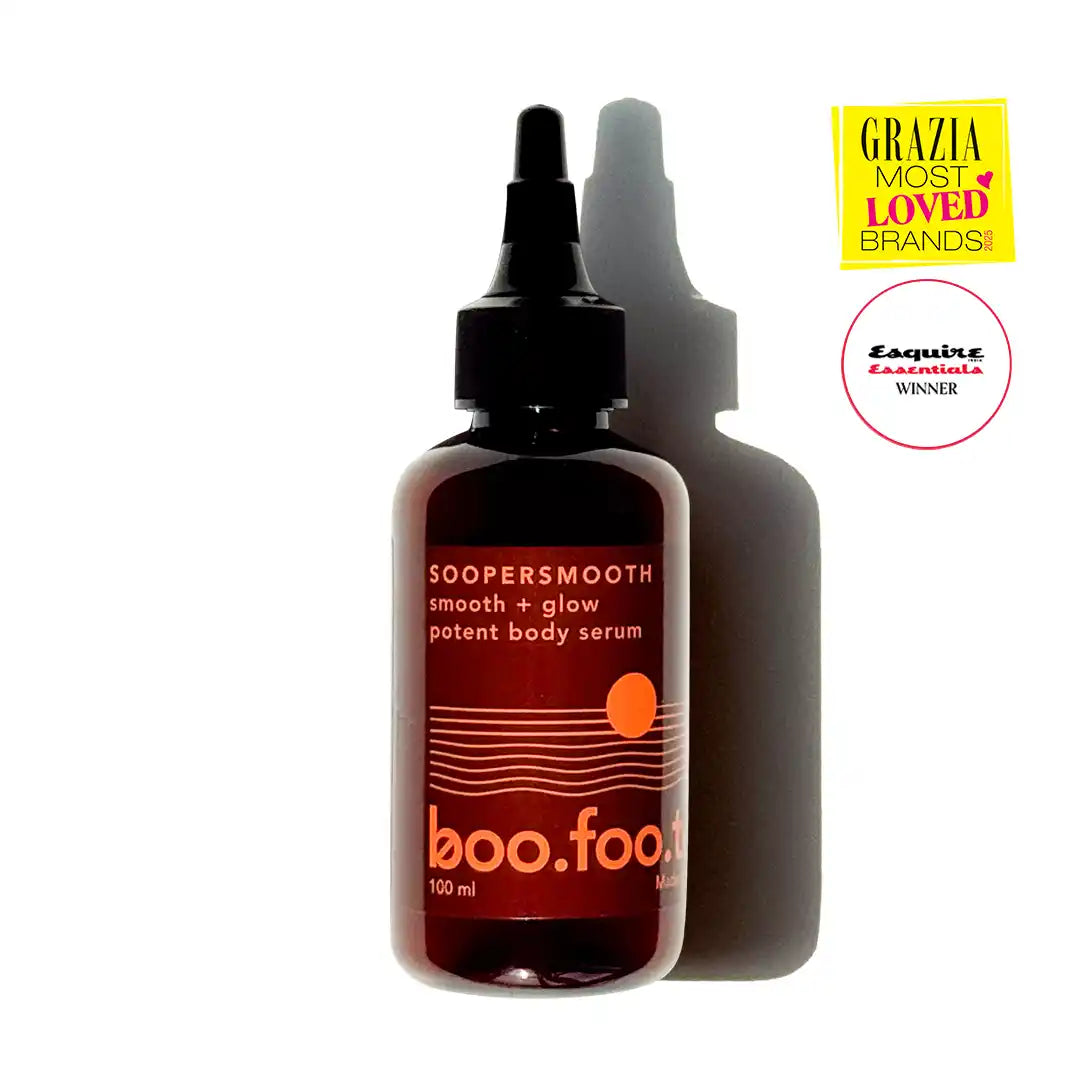
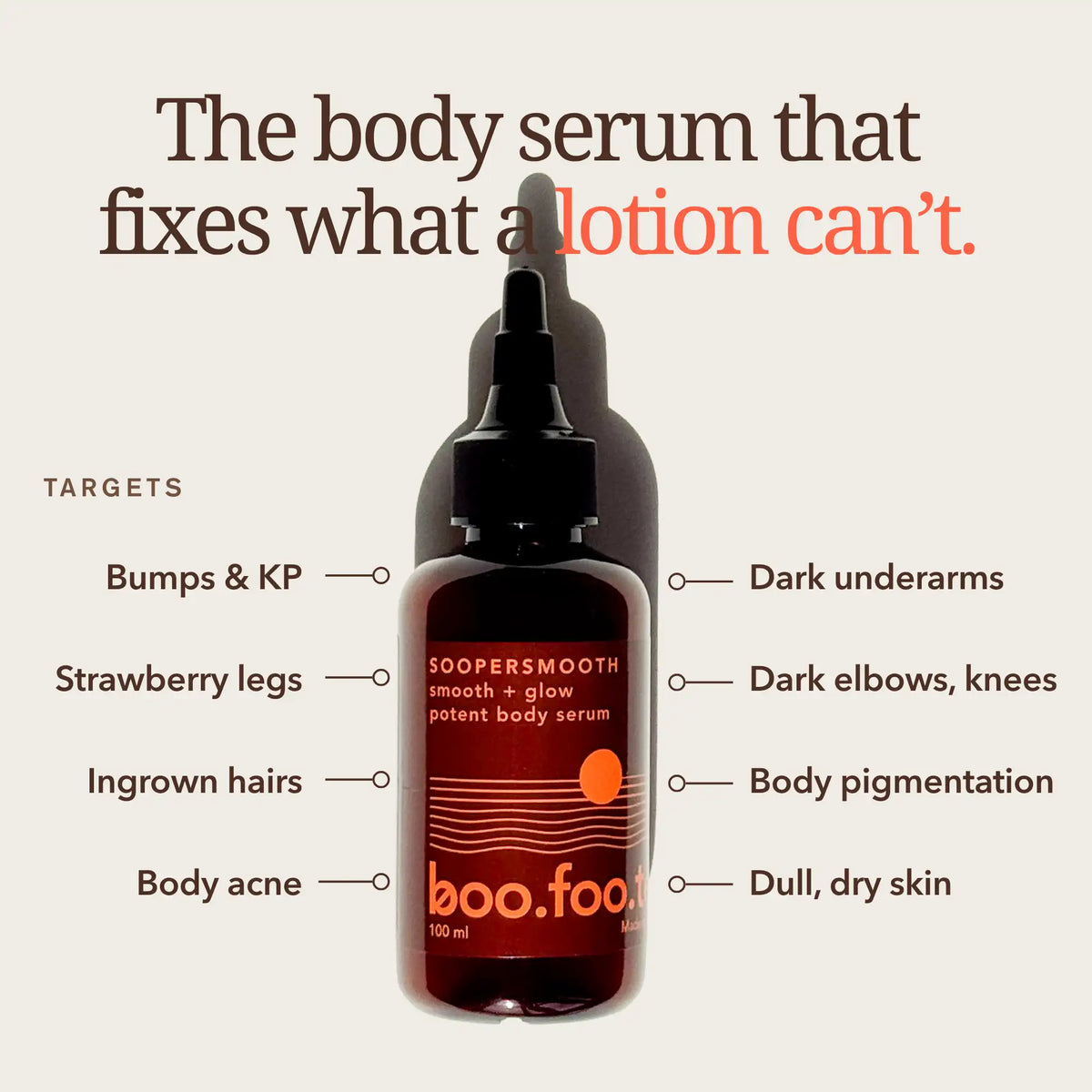
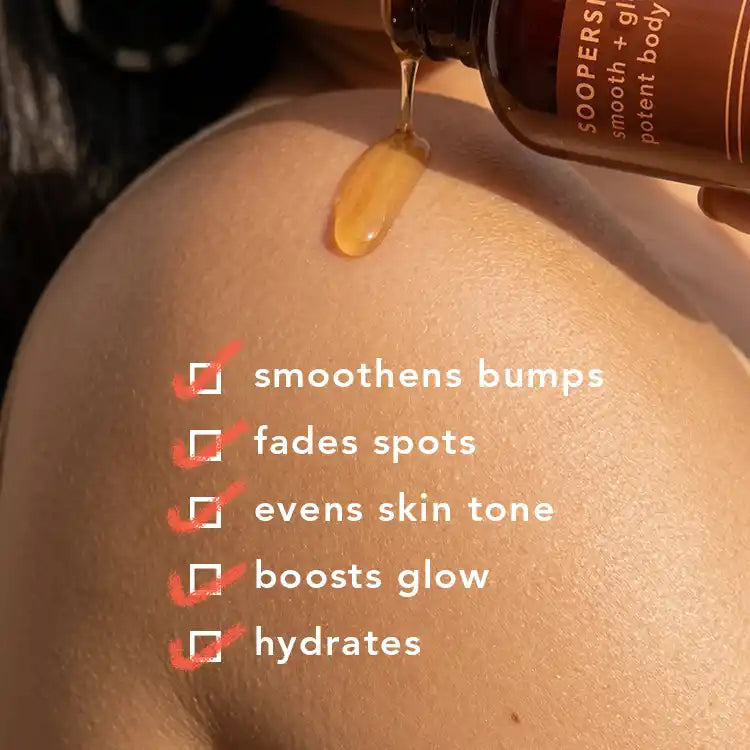
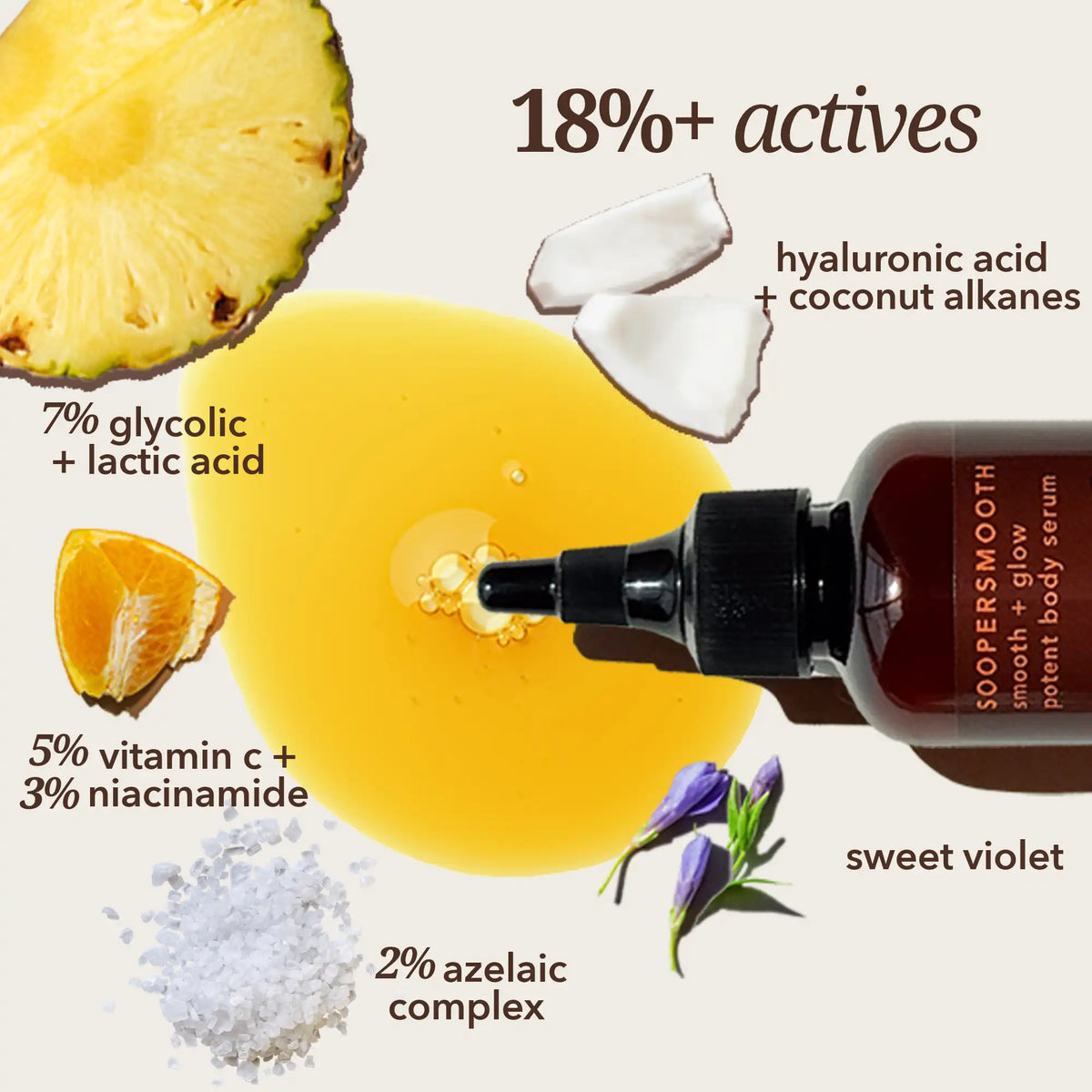


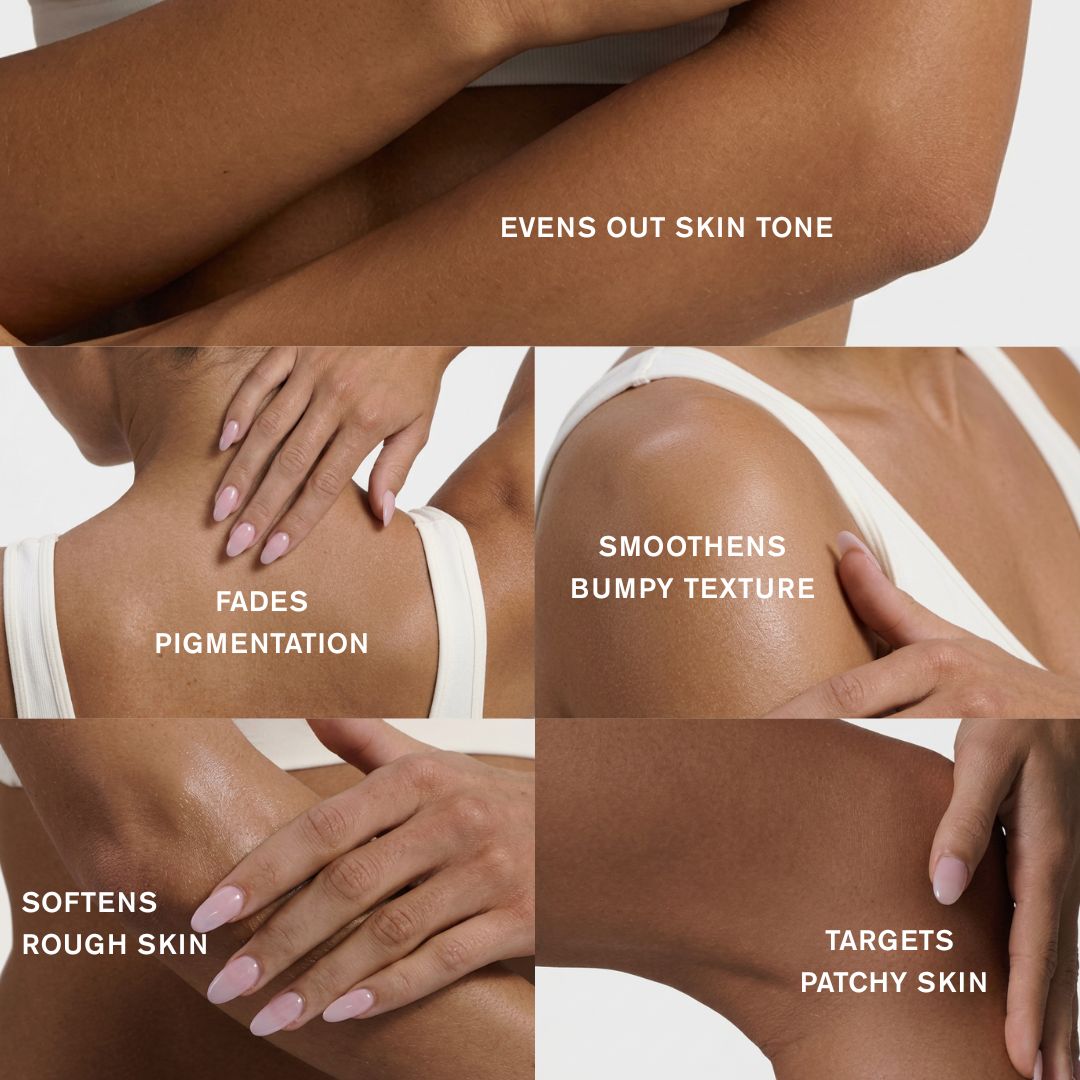
Glycolic acid + Lactic acid
polish and smoothen rough, bumpy skin
Vitamin C + Niacinamide
brighten and even out skin tone
Hyaluronic acid + Sweet Violet Extract
hydrate and nourish skin
Thick butters, oils and heavy creams can clog follicles on Indian skin.
Pick moisturizers with:
✔️ Glycerin
✔️ Hyaluronic Acid
✔️ Ceramides
✔️ Squalane
✔️ Panthenol
Avoid:
❌ Cocoa butter
❌ Shea butter
❌ Coconut oil
❌ Mineral oil
These are too heavy for Indian body skin and worsen strawberry skin.
Most people don’t shave correctly.
The correct method:
Never dry shave. Never use old razors. Never use soap.
For hair that curls back into the skin:
Heat causes inflammation.
Inflammation causes pigmentation.
Pigmentation worsens strawberry skin.
If you sweat easily:
✔️ Use AHAs regularly
✔️ Use a clean sharp razor
✔️ Keep routine consistent
✔️ Moisturize lightly
✔️ Drink more water
✔️ Wear cotton clothes
✔️ Treat ingrowns with care
✔️ Use warm (not hot) water
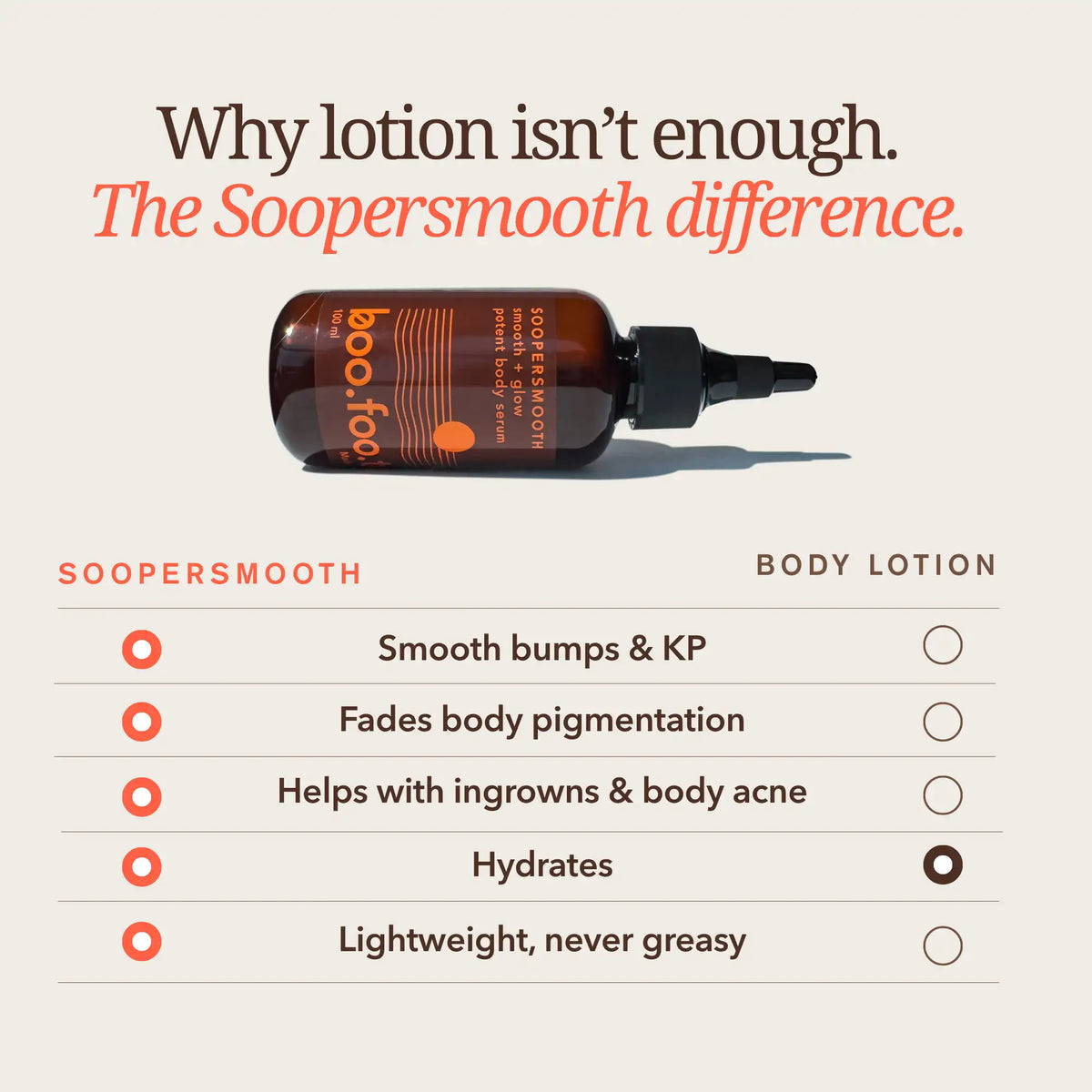
✔️ Use a body serum instead of a lotion
❌ Don’t scrub aggressively
❌ Don’t use loofahs
❌ Don’t pick or squeeze bumps
❌ Don’t use coconut oil
❌ Don’t shave without prep
❌ Don’t use thick occlusive moisturizers
❌ Don’t use soap bars
❌ Don’t use hot water
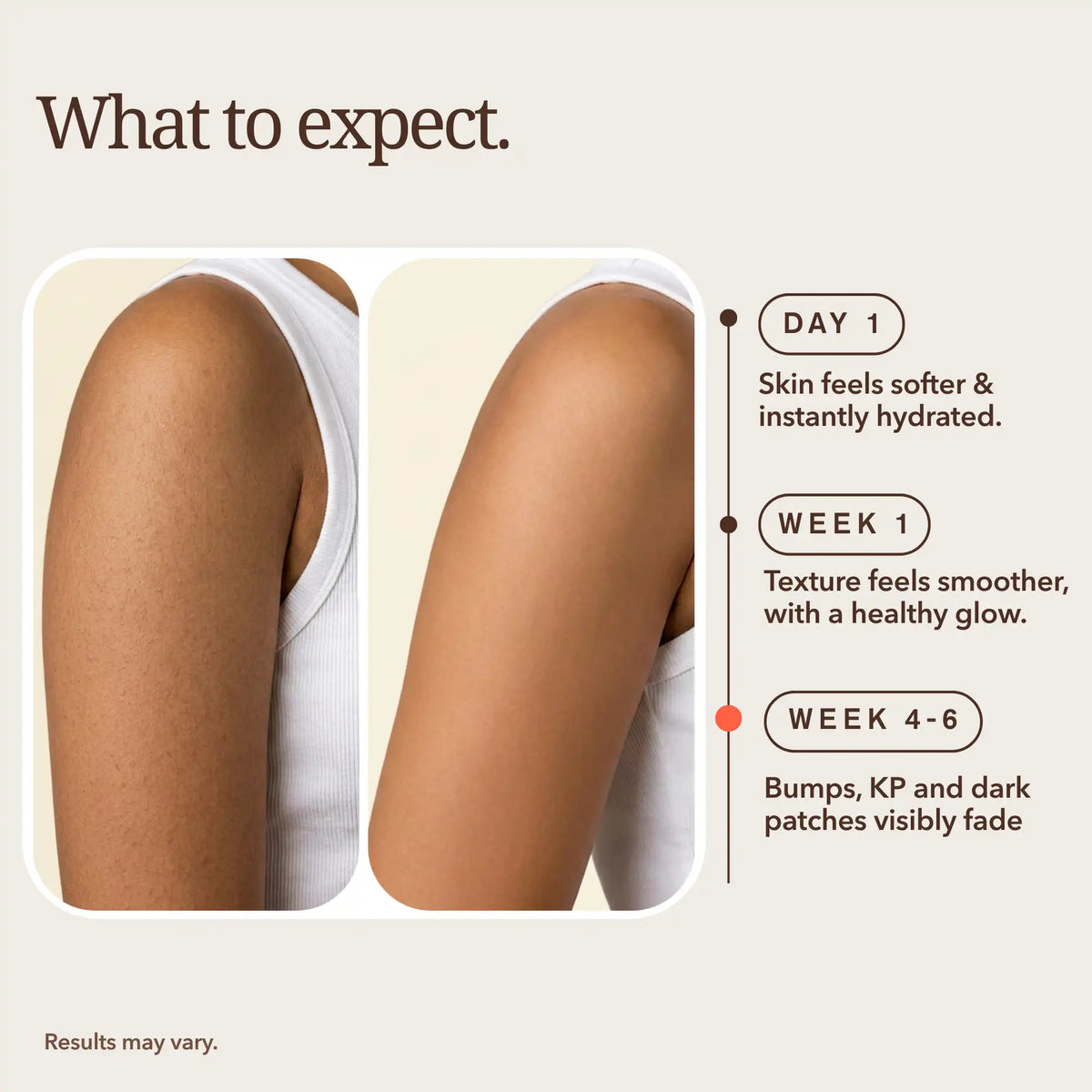
❌ Don’t expect instant results (takes 2–6 weeks)
Most people see results within:
1 week – smoother texture
2 weeks – reduced bumpiness
3–4 weeks – fewer visible pores
6–8 weeks – major transformation
Consistency is everything.
Even after clearing strawberry skin, exfoliate 2–3 times a week.
This keeps keratin plugs from forming.
Prep + shave + soothe. Every time.
These are strawberry-skin triggers.
Hard water worsens keratin buildup.
Tight leggings, rubbing thighs, and rough towels all worsen dark dots.

Nope. Scrubs worsen inflammation and pigmentation.
Shaving reveals it; it doesn’t cause it.
Coconut oil clogs follicles on Indian skin.
No. Heavy creams clog pores.
You can manage it long-term, but maintenance is key.
What is “strawberry skin”?
Strawberry skin is a cosmetic appearance where hair follicles look like tiny dark dots on the surface of the skin. It’s usually caused by clogged follicles, keratin buildup (keratosis pilaris), ingrown hairs or follicular hyperpigmentation.
Why does strawberry skin show up more on Indian skin?
Indian skin has higher melanin and often more keratin production on the body; that combination makes follicular dots darker and bumps more visible, and post-inflammatory pigmentation appears faster when follicles are irritated.
Source: NCBI+1
Does scrubbing help strawberry skin?
No. Aggressive scrubbing irritates follicles, increases keratin production, strips natural oils, and can worsen pigmentation — making the dots look darker and more persistent. Gentle chemical exfoliation is safer and more effective.
What ingredients actually help strawberry skin?
Look for controlled AHAs (glycolic, lactic) for follicular resurfacing, niacinamide to calm and even tone, vitamin C to brighten, and lightweight humectants (hyaluronic acid, glycerin) for hydration. Clinical studies support glycolic acid improving follicular hyperpigmentation in KP.
Source: PMC
Are body butters and heavy oils bad for strawberry skin?
They can be. Heavy occlusives and oils can sit on the skin’s surface, trap dead skin, and clog follicles, which may worsen congestion and visible dots.
Is hot water harmful?
Yes, hot water strips protective oils, irritates follicle linings, and can increase dryness and keratin buildup, which makes strawberry dots more visible.
Source: PubMed+1
How long does it take to see results with strawberry skin?
With a consistent, follicle-focused routine (chemical exfoliation + hydration + correct shaving), many people see visible improvement in 4–8 weeks; pigmentation takes longer and may need continued maintenance.
Source: PMC
What should I do if I have ingrown hairs with strawberry skin?
Inflamed ingrown hairs happen when follicles stay blocked. Avoid irritation, keep the area hydrated, and use gentle exfoliating ingredients like lactic acid to help release trapped hair. If inflammation or infection persists, consult a dermatologist.
Source: Mayo Clinic+1
Can strawberry skin be cured permanently?
No single permanent “cure.” Strawberry skin (KP and follicular congestion) is manageable long-term with the right maintenance routine; symptoms often return if treatment stops.
Source: NCBI.
Is Soopersmooth body serum suitable for Indian skin?
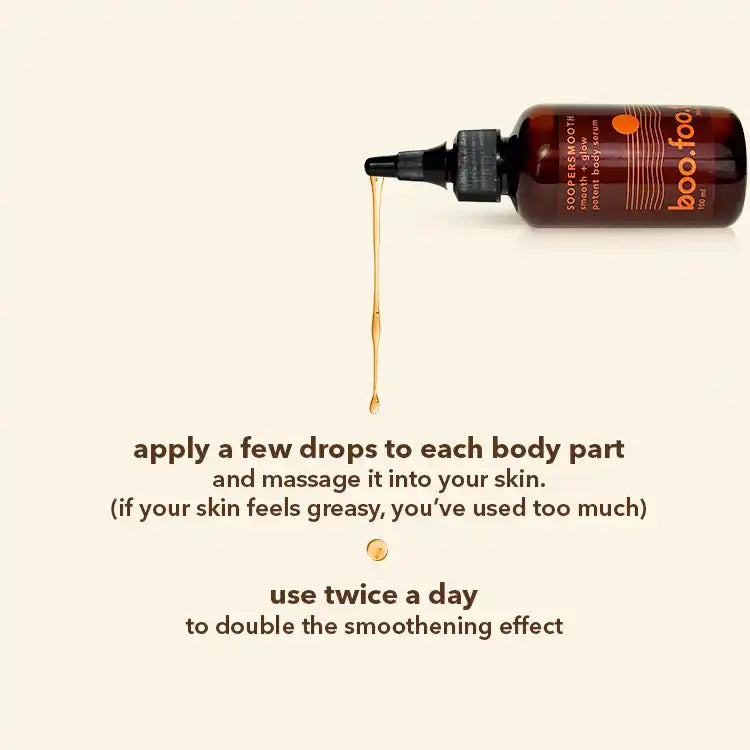
Soopersmooth is formulated with AHAs, vitamin C, niacinamide and lightweight hydrators to resurface follicles, brighten pigmentation and hydrate without heavy occlusion — appropriate for Indian skin when used as directed (patch test first).
Strawberry skin isn’t a flaw.
It’s not poor hygiene.
It’s not something you “should have fixed earlier.”
It’s simply the way Indian skin behaves—melanin-rich, keratin-rich, texture-prone, and incredibly responsive to the right bodycare routine.
Once you understand the unique biology of Indian skin, strawberry skin stops being a mystery and becomes incredibly manageable. With exfoliation, the right actives, lightweight hydration, and good shaving habits, smooth, bright, even-toned legs aren’t just possible—they’re predictable.
Your body skin deserves the same love (and science-backed care) as your face. And once you give it that level of attention, strawberry skin doesn’t stand a chance.
Important Notice: This article is for informational purposes only and is not intended as medical advice. Always consult with a qualified dermatologist or healthcare provider before starting any new skincare regimen, especially if you have sensitive skin, allergies, or existing skin conditions. Individual results may vary, and what works for one person may not work for another.
This information is provided for educational purposes only and should not replace professional medical advice. Always consult with a qualified dermatologist or healthcare provider before making significant changes to your skincare routine, especially if you have pre-existing skin conditions, allergies, or are pregnant or nursing. Individual skin responses can vary significantly, and what works for one person may not be suitable for another.
Why your neck darkens, and what helps.

The Ingredient Guide Your Skin Has Been Waiting For

Your moisturiser isn't enough anymore — here's why the body serum is the upgrade your skin has been waiting for.

The K-beauty trend everyone's copying — and why Indian skin needs something completely different